
Hair Piece Suppliers in Johannesburg
Hair pieces wholesalers in Johannesburg

Hair Piece Suppliers in Johannesburg
Hair piece suppliers in Johannesburg are seeing steady demand right now. Salons keep expanding their services, and retail buyers are stocking up on more choices. JHB Hair Distributors now offer a massive variety of textures, bases, and price points to fit different client needs. But here's the real question: should you source locally or just import directly?
Key Takeaways
Weigh local Johannesburg suppliers for fast, duty-free delivery against direct overseas imports for lower wholesale costs.
Select breathable base materials like lightweight lace or thin skin to ensure client comfort in the warm local climate.
Match hair origins to client needs: raw Vietnamese hair offers maximum durability, while Chinese and Indian options provide varied textures and price points.
Boost salon profits by bundling high-margin hair replacement systems with installation and recurring maintenance services.
Avoid scams by verifying physical addresses, and always perform quick burn, wet, and shed tests to confirm hair quality.
Local JHB Stock vs. Direct Global Imports: Which Is Best for Your Business?
Buying from local Johannesburg hubs means you get stock right away. You can easily sort out same-day or next-day supply for those last-minute client bookings. That kind of speed stops salons from losing out on money. Yes, you'll pay a bit more per unit. But you completely dodge customs delays and sudden import duties.
Going direct to a Vietnamese hair factory or Chinese hair vendors usually gets you a much lower wholesale price. The catch? You wait a lot longer for shipping. It often takes 7 to 21 days. Plus, you have to deal with customs clearance, which can really drag out your restocking time.
The right choice really comes down to your cash flow, your timeline, and how much risk you want to take on. Next up, you need to know exactly what to look for before picking a supplier.
Key Factors to Consider When Choosing Hair Piece Wholesalers in Johannesburg
Hair piece wholesalers can easily make or break how smoothly your salon runs day to day. The right partner keeps your chairs full and your clients happy. Good vendors don’t just drop off products—they actually support your business growth. And it all starts with how reliably they handle high volume and repeat orders.
Assessing Consistency, Scalability, and Supplier Reliability
A steady supply chain is everything for a growing hair business. Your wholesaler needs to handle bulk orders without delays, even during busy holiday seasons or big promo pushes. If boxes show up late or missing items, you lose bookings and cash fast.
Look into how often they restock and how they deal with backorders. You need to know if they can scale up with you from 20 units a month to 200. Ask for real delivery timelines and past consistency records, not just empty promises. A solid supplier also makes sure product specs stay exactly the same batch after batch. This leads right into how well those pieces hold up in the local Johannesburg weather.
Choosing Breathable Base Materials for the Warm Johannesburg Climate
The Johannesburg heat definitely puts pressure on wearability and daily comfort. Lightweight lace, mono, and thin skin bases let air flow and cut down on sweat buildup, which helps your clients wear their pieces longer without getting itchy or irritated. This is a big deal for daily wearers and highly active people.
Keeping Closure & Frontal options and glueless units in stock gives you flexibility for different client needs, especially when you need to do quick installs. Bad base choices just lead to returns and annoying refits, which eat right into your profit margins. But once you've got base comfort figured out, the next step is looking at the actual hair quality and finding out exactly where it comes from.
Understanding Hair Quality Grades and Origins for the South African Market
Hair Quality Grades and sourcing terms can confuse even the most experienced buyers in Johannesburg. Labels like raw human hair or graded bundles don't always match the real performance you see in your salon. Knowing how grading ties into origin helps you dodge inconsistent stock. It all starts with wrapping your head around how the hair is actually processed.
The Difference Between Raw Human Hair and Remy Hair
Raw human hair is completely unprocessed hair taken right from a single donor, keeping the cuticles intact and perfectly aligned. It hasn't been dyed, steamed, or chemically coated. Because of this, it lasts anywhere from 2 to 4 years if you take good care of it in the salon. That makes it perfect for high-end clients wanting long-term wear.
Remy hair keeps that cuticle alignment but goes through some light processing. We're talking mostly washing, sorting, and maybe a little mild color work. Virgin hair fits into this bucket when it hasn't been chemically messed with. It usually lasts 9 to 18 months, depending on how often your clients hit it with hot styling tools or bleach.
These processing levels directly change the durability, texture consistency, and price tag. That's it. Look closer, and you'll see those differences trace right back to where the hair is sourced.
Comparing Vietnamese, Chinese, and Indian Temple Hair
Vietnamese hair factory supply is famous for thick strands, natural dark tones, and super strong cuticles. It holds curls beautifully and performs incredibly well during those humid Johannesburg summers. This makes it a really safe premium option for salons that want to cut down on client returns.
On the flip side, Chinese hair vendors usually offer larger volumes at much cheaper price points. The strands are often finer and might even be acid-treated or coated in silicone. That coating can knock the lifespan down to under 12 months with frequent use. It works great for budget-conscious clients, but you definitely need to set clear expectations upfront.
Then you have Indian Remy hair. Temple hair, specifically, is much softer and has a gorgeous natural wave pattern. It blends perfectly with a lot of different clients, but it can tangle faster if the supplier overprocesses it. Knowing these origin traits completely shapes your salon's pricing strategy. Plus, it opens the door to selling more specialized, higher-margin hair systems.
Sourcing Premium Hair Replacement Systems with Bono Hair
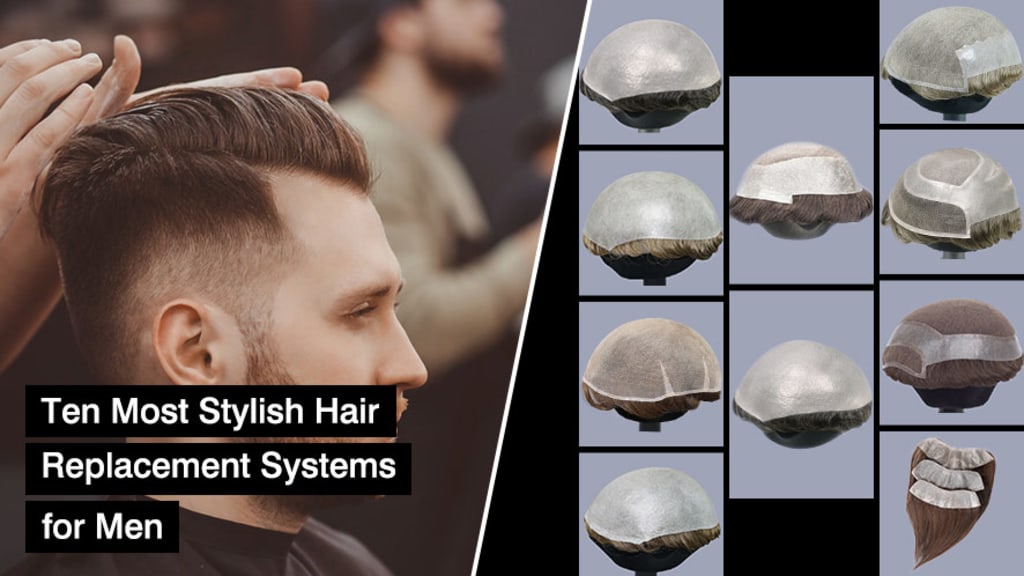
Hair replacement systems—like toupees and toppers—sit in one of the highest-margin categories for salons right now. They fix visible problems fast. And clients are more than happy to pay for that speed. Bono Hair stands out as a solid partner for wholesale hair replacement systems, especially if your salon needs a steady supply. So, why do these setups bring in such great returns at the service level?
Why Men's Toupees and Women's Toppers Offer the Highest Salon Margins
Non-surgical systems drag in quick cash because they bundle the product and service into a single ticket. A full install of premium men's toupees or human hair toppers for women covers the consultation, fitting, and styling. This naturally bumps up the total spend per client in just one visit.
Repeat visits drive your long-term income. Most clients come back every 4 to 8 weeks for maintenance, refitting, or a total replacement. That creates predictable monthly revenue instead of just one-off sales.
Johannesburg clients also care a lot about discretion and speed. These systems deliver visible results in hours, not months. That makes them much easier to sell at premium prices. But that demand only holds up if you can source consistent quality. The next logical step is getting those products straight from a trusted factory.
How Bono Hair Supports Johannesburg Salons with Direct Factory Supply
Bono Hair makes sourcing easy by offering direct factory access. This drops the unit price compared to dealing with middlemen. That extra breathing room protects your margins while keeping your retail prices competitive in the local market.
Low minimum order sizes make it easy to test out styles without hoarding stock. You can start small, figure out what actually sells, and then scale up based on real client demand. That's a huge deal if you're just learning how to start a hair business.
Custom design support lets you match local preferences, from hair density to the base type. Plus, reliable shipping into South Africa keeps your restocking schedule totally predictable. Once your supply is locked in, the next step gets hands-on: checking the hair quality in person before placing any massive orders.
The 3-Minute Quality Test: How to Verify Hair On-Site in Johannesburg
Quick physical checks easily protect your margins before you commit to bulk orders. Just try a fast burn test using 2–3 strands. Raw human hair burns down to a soft ash and smells like burning protein. But blends? They simply melt into hard beads.
Then, run a wet test. Lightly dampen a small section. Good double drawn hair stays completely smooth and aligned instead of getting puffy or separating at the ends.
Wrap it up with a shed test. Gently tug on 10–15 strands. If more than 2 or 3 pull loose right away, you're dealing with a weak weft. These quick checks definitely catch the obvious surface issues. Still, getting total peace of mind means looking a lot deeper than just the hair itself.
How to Avoid Scams and Verify Local Johannesburg Suppliers
Scams in the South African hair business happen all the time. One bad order can completely wipe out your profit margin. Trusted vendors in Johannesburg are definitely out there, but you need hard proof, not just empty promises. Start with things you can actually check in person and track through secure payments. First up: confirm where they actually work from.
Verifying Physical Addresses and Secure Payment Gateways
Any real Johannesburg (JHB) supplier should have a proper showroom or office that you can drop by during normal business hours. Ask for their street address. Then, look it up on maps and hunt for recent customer photos tagged at that exact spot. If they promise amazing wholesale price deals but make excuses to avoid in-person visits, walk away. It's that simple.
How they take payment tells you just as much as their location. Stick to secure local gateways or bank transfers linked to registered business accounts. Don't send money to personal wallets. Good suppliers hand over invoices packed with their company details and VAT numbers. Once you're confident about where they're located and how you're paying, it's time to watch out for sellers who only pretend to be local online.
Spotting the "Fake Local" Trap in Online Directories
Lots of listings calling themselves “Johannesburg suppliers” are just overseas operations faking it. A Vietnamese hair factory or Chinese hair vendors might grab a local phone number, but they still ship from abroad. That completely messes with your delivery time and ruins any chance of decent after-sales support. Always check the shipping origin, customs details, and how fast they reply to know for sure.
Take a hard look at their digital footprint. If every picture looks like a generic factory stock photo and you can't find a single review from a local client, that's a huge red flag. Real local suppliers post actual hair installs, shout out their salon partnerships, and show off repeat buyers. But if you do decide to skip the middleman and work directly with overseas sources, just remember you'll need to figure out import logistics and deal with much longer wait times.
Logistics and Customs: How to Import Hair Pieces to South Africa
Direct importing cuts out the middlemen, giving you bulk supply at real factory prices. But those savings only stick if you handle paperwork and taxes right. One missed step can hold up your stock for weeks. Start by figuring out exactly how SARS calculates duties and VAT.
Navigating SARS Customs Duties and Import VAT
SARS charges import duties plus a 15% VAT on most hair products shipped into South Africa. The specific rate depends on the classification, but human hair pieces generally get taxed as cosmetic or textile items. Your landed cost is what actually matters here—not just the initial wholesale price from the supplier.
In Johannesburg (JHB), customs clearance usually adds 2 to 5 working days if your paperwork is spotless. You'll need a commercial invoice, a packing list, and the right HS code. Make a mistake here, and you're looking at quick penalties or unexpected storage fees. Once you figure out the tax impact, you've got to pick couriers who push through clearance without holding things up.
Choosing Reliable Couriers for Secure Door-to-Door Delivery
DHL and FedEx do their customs clearance in-house. This speeds up delivery into JHB, often landing your orders within 3 to 5 days straight from major factories. They do cost more upfront. But they seriously cut down your risk, which helps a lot when you need stock ready for clients on tight schedules.
Local courier partners take over right after clearance. They can drop your last-mile delivery costs, but only if you deal with trusted vendors who manage the handover smoothly. Delays almost always happen during this exact swap. Once your shipping timelines get predictable, you can finally compare total landed costs and set realistic prices for your salon or retail margins.
Johannesburg Hair Sourcing Price Guide (ZAR)
Knowing clear ZAR prices helps you lock in your margins before you place bulk orders in JHB. Wholesale costs change depending on the hair type, length, and finish. Bone straight usually sits at the higher end because it takes more processing and people really want it. Use these normal ranges to plan out your cash flow and set your client prices.
Hair PieceTypical Wholesale Price (ZAR)3 Bundles (10–20 inch)R900 – R2,200Lace ClosureR500 – R1,200Lace FrontalR900 – R1,800Toupee (Men’s System)R1,500 – R3,500
These numbers give you a solid baseline to figure out landed costs and markups. And that feeds right into how you launch and scale profitably.
How to Start and Scale a Profitable Hair Business in Johannesburg
Running a hair business in Johannesburg gets profitable fast when you control your sourcing costs and keep an eye on pricing right from day one. Good margins happen when you buy smart and sell with clear positioning. You start with a tight budget, and then build demand through focused marketing. Let's break down those startup numbers first.
Calculating the Initial Costs to Open a Hair Boutique
The money you need to start a hair business usually lands somewhere between R15,000 and R60,000. It really depends on how much stock you want and your setup. Inventory eats up the biggest chunk. Buying bulk supply at wholesale prices naturally drops your unit cost. It protects those early margins from the start.
Plan on three main expenses: stock (bundles, closures, wigs), basic tools (install kits, styling gear), and brand setup (logo, a clean website, maybe some signage). A small launch batch could easily be 10–20 units across popular lengths. This lets you test the market without buying too much upfront.
Cash flow matters way more than sheer volume in the beginning. Keep 30–40% of your budget flexible so you're ready to restock items that sell quickly. Simple. Once those numbers look good, your next move is pulling in clients who don't mind paying premium prices.
Marketing Your Salon Services to High-Value JHB Clients
High-value buyers in places like Sandton, Rosebank, and Pretoria completely expect visible quality and consistency. So your marketing needs to show real results. We're talking clean installs, natural hairlines, and tough Wigs and Hair Extensions that survive everyday wear.
Stick to two main channels: Instagram to show off your work and WhatsApp for direct bookings. Post quick videos of installs, before-and-after clips, and honest client reviews. Then make sure you reply to messages fast, because speed honestly closes the sale.
Treat your brand as reliable instead of just jumping on trends. Give people clear pricing, solid aftercare tips, and consistent stock from suppliers you actually trust, like Bono Hair. That's how you build a base of repeat clients. It also sets up the final quick answers pretty much all new owners still need.
Frequently Asked Questions About Hair Piece Suppliers in Johannesburg
How much does a high-quality human hair piece cost in South Africa?
It swings wildly based on origin. Importing direct from overseas slashes your wholesale costs but adds 7 to 21 days of shipping. Buying local avoids customs but costs more upfront. Raw human hair is the premium tier.
Are synthetic hair pieces cheaper than human hair in South Africa?
Yes. Synthetics are the budget floor. For cheap human hair, Chinese vendors offer finer strands often coated in silicone. Those last under 12 months. You get exactly what you pay for.
Which type of hair extension lasts the longest?
Raw human hair. Period. It keeps the cuticles intact and perfectly aligned. With good salon care, a single-donor unit lasts 2 to 4 years. Remy tops out around 18 months.
Where can I find reliable hair pieces wholesalers in Johannesburg?
Start with JHB Hair Distributors for local, duty-free stock. For a steady supply of high-margin hair replacement systems, Bono Hair is a solid partner. Always verify physical addresses to dodge scams.
About the Creator
Leo
Passionate men's hairstylist with a keen eye for detail and a knack for creating on-trend looks. Dedicated to delivering hair restoration education that enhances individual style.
Enjoyed the story? Support the Creator.
Subscribe for free to receive all their stories in your feed.
Comments
There are no comments for this story
Be the first to respond and start the conversation.