
Expanding Your Barbershop Services: Which supplier is best for African American men's hair systems?
Best African American Hair System Suppliers for Barbers 2026

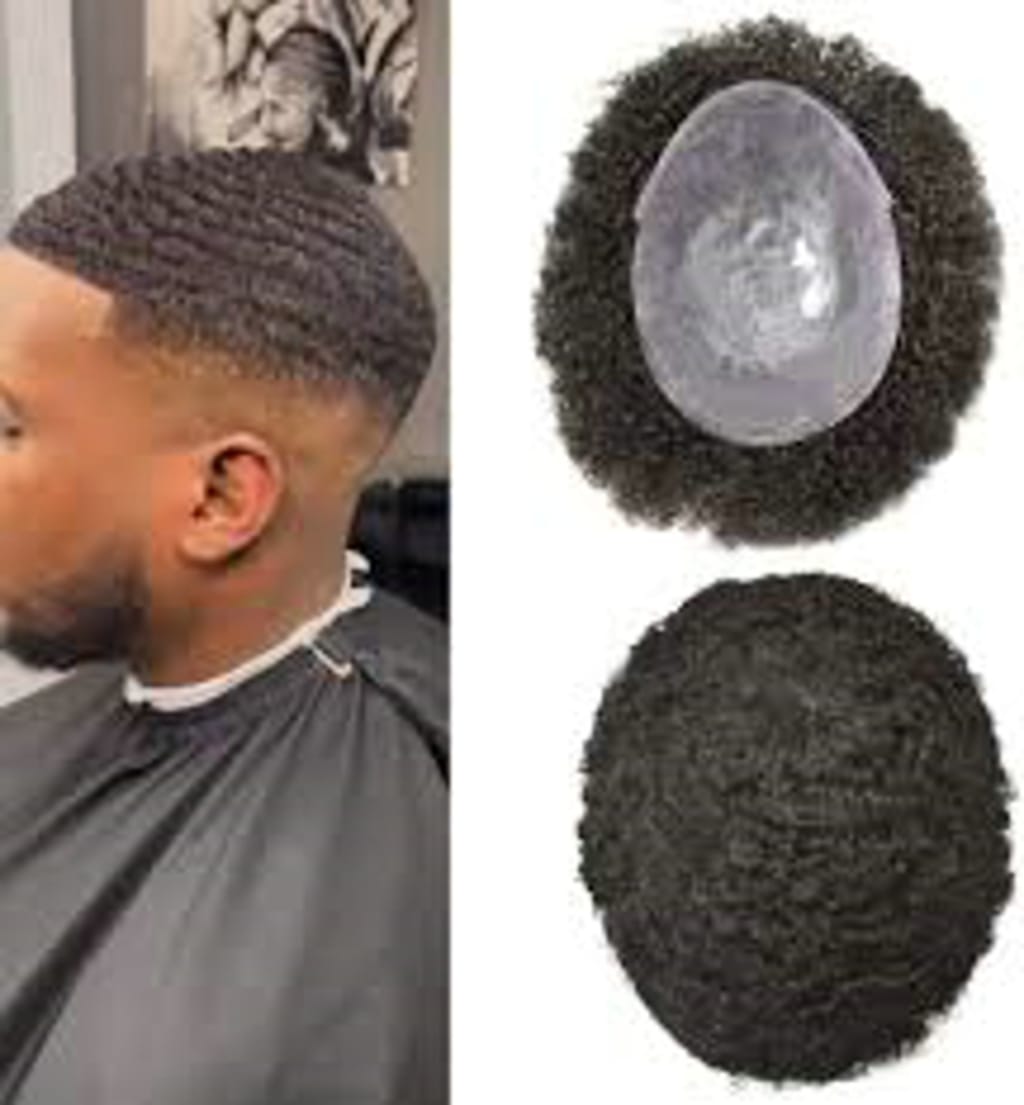
Expanding Your Barbershop Services: Which supplier is best for African American men's hair systems?
Looking for the best supplier for African American men's hair systems? The right partner gives your barbershop reliable units, straightforward wholesale support, and options that actually work for Afro-textured styling.
Want to expand your barbershop services with hair replacement units? You have to pick a manufacturer that really gets your client base. Newtimes Hair helps B2B buyers figure out the best product fit and build a service that grows your revenue.
Key Takeaways
Afro-textured units require curl patterns that match each client's natural hair.
Washed production samples expose curl loss, matting, or inconsistent batch quality.
Ready-to-wear inventory suits common client needs before custom orders.
Why Is Expanding Into Hair Replacement Services a Game-Changer for Barbershops?
Adding hair replacement turns a basic haircut into a high-ticket service for guys dealing with noticeable thinning. Plus, it gives your shop a solid reason to lock in long-term clients. They'll keep coming back for fittings, styling, routine maintenance, and eventually, a fresh unit.
So, how do you actually add these units to your service menu? Start by picking pieces made for Afro-textured hair and partnering with a supplier who actually gets B2B. Newtimes Hair brings solid wholesale support and a lineup of products designed specifically for this crowd. The cash potential is massive. But getting textured units right takes some real hands-on skill and knowing exactly what you're working with.
What Makes African American Hair Systems Uniquely Different from European Units?
What sets African American hair systems apart from European-style units? It mostly comes down to curl pattern, texture, density, and how the finished piece blends with the client's natural hairline and sides.
For wholesale buyers, this isn't just a tiny catalog detail. A Men's Hair System made for tightly curled or coiled hair needs a totally different buying standard than a straighter unit. Otherwise, your barber clients might struggle to deliver a believable result. Simple as that.
Afro-Textured Hair Needs a Realistic Curl Pattern
African American hair isn't just one single texture. Your clients might need loose curls, defined coils, or a tighter kinked pattern, depending on their remaining hair and preferred style. A unit with the wrong curl pattern will stand out, even if the color is a dead match.
Think of curl matching like fixing a broken tile floor. If one piece has a different shape or surface, the whole repair catches your eye. The exact same thing happens when a Toupee for Men has straighter or looser hair than the client's natural sides and back.
Hair direction matters, too. Coiled hair has way more visual volume than straight hair, so a unit should create a full look without looking too thick at the front. Buyers should ask for clear photos or samples showing the curl pattern after a wash, not just when the hair is freshly styled.
Density and Hairline Design Need a Different Approach
A natural-looking Afro-textured unit usually needs a density that matches the client's existing hair, rather than a thick, uniform block across the whole base. A dense, tight curl pattern can look fuller than the exact same amount of straight hair because the strands naturally take up more space.
The hairline has to suit the client's age, haircut, and natural growth pattern. A sharp line-up might work great for one guy, while another needs a softer, more mature front. The goal isn't to make every hairline look identical. It's to make the hair system look like it actually belongs to that client.
Barbers also need enough hair length and curl definition to pull off popular looks, like a curly crop, a short taper, or a fuller textured top. When you're picking up inventory, ask your suppliers how the hair acts after shampooing and if the curl pattern stays consistent across different production batches.
The Base Must Support Textured Styling
The base is the foundation under the hair, kind of like the canvas under a painting. It has to sit flat, hold the chosen density, and let the barber blend the unit seamlessly into the client's natural hair.
A thin-looking front can be a big deal for exposed hairline styles, while a tougher build might suit clients wanting fuller coverage and fewer replacements. There's no single perfect base for every African American hair client. The best choice really depends on how much scalp shows, the haircut, and the maintenance routine the barber plans to offer.
For distributors, it helps to carry a focused lineup instead of treating textured units like a total afterthought. Keep options in stock with clearly marked curl patterns, color choices, and base layouts. That way, your salon partners can order with absolute confidence.
Supplier Consistency Protects Your Reputation
A textured hair unit is only reliable if the curl pattern, density, and color stay the same from order to order. If a barber gets a different curl texture every single time, they can't confidently recommend that unit to returning guys. And that kind of inconsistency will cost you repeat business.
Newtimes Hair helps wholesale partners source African American hair systems, offering the exact product guidance you need to build a great lineup for barbershops and hair-replacement businesses. Before locking in those larger orders, just confirm the target client profile, the preferred curl look, expected haircut styles, and how much hairline exposure each unit needs to handle.
The strongest inventory plan gives your clients great options without causing confusion. You want textured units that blend naturally, fit popular barbering styles, and can be reordered with the exact same look every time. That's it.
Custom vs. Ready-to-Wear Units: Which Strategy Best Fits Your Shop?
So, custom or ready-to-wear hair systems for thinning hair—what's the best move for a new shop? Start off with ready-to-wear units to cover the most common needs. Then, bring in Custom Hair Pieces when a client needs a specific curl pattern, an exact color match, a unique coverage area, or a specialized haircut plan. That's it.
Having ready-to-wear stock on hand lets your barber or salon partner help people right away. They won't have to wait around for a made-to-order unit. Just keep your lineup focused. This is especially true for African American men who need reliable, textured options.
But custom orders? They're perfect for deeper consultations and repeat clients who know exactly what they want. Newtimes Hair can help wholesale buyers set up both paths. You'll get practical stock for fast service, plus custom options for a precise client match.
Which Base Material Delivers the Best Comfort and Breathability for Darker Scalps?
Which base works best for Black male clients? A Lace Base usually gives the most breathable, natural-looking result. On the flip side, a Skin Base makes cleanup way easier and holds up better for daily wear.
If you're buying wholesale, stock both options instead of treating one as a magic fix for every guy. The right Non-Surgical Hair Replacement base really comes down to scalp oil, activity level, and how much of the front hairline shows.
Swiss Lace vs. Polyurethane Skin Bases: Weighing Airflow Against Durability
Swiss lace lets air pass right through. So, it's usually the best pick for guys who sweat a lot or have active jobs. Plus, it lets scalp oil escape instead of trapping it under a sealed layer. For a Human Hair system with an exposed hairline, lace blends beautifully against a darker scalp as long as you match the color and density.
A polyurethane Skin Base creates a solid wall. Think of it like a raincoat instead of a mesh shirt. This makes cleaning off the adhesive much easier and protects the base while you're handling it. But it traps heat and oil. So, remind your salon partners to book regular removal and scalp cleaning appointments.
Newtimes Hair buyers can close more deals by keeping lace on hand for guys who need airflow, and poly for clients who just want something tough. Simple.
Scallop Fronts and V-Looped Hair: Securing a Truly Undetectable Hairline
A scallop front follows tiny, uneven curves instead of a harsh straight line. These little changes help the front edge look like a real hairline. This is a big deal when your client rocks a short cut or shows off his forehead.
V-loop or knotless ventilation punches each hair through the base without leaving a visible knot at the front. Think of it like threading a needle through fabric instead of tying a big, bulky knot on top. You end up with a much softer transition right where the system meets the skin.
To get an Undetectable Hairline, help your salon clients pick a front contour that fits the wearer's age, face shape, and natural temple area. A real hairline shouldn't look packed with hair or perfectly straight.
Why Are Bleached Knots Crucial for Natural Realism on Darker Skin Tones?
Bleached knots stop those tiny dark dots from showing up through the lace against a darker scalp. For wholesale buyers wondering, "How to find undetectable hair systems for black men?", bleached knots are a major quality check. This is especially true right at the hairline and parting areas.
The process lightens the visible knot right at the base, making it look like the hair is actually growing from the scalp instead of sitting on a layer of fabric. Just ask Newtimes Hair to make sure you're getting an even bleach job without overprocessing the hair itself. If it's uneven, the lace looks spotted. But if it's bleached too much, the hair gets weak near the roots.
How Do You Select the Ideal Curl Pattern and Texture Realism for 4C Hair?
Matching 4C African American hair textures starts with the actual coil, not just a label on a package. Ask for clear, unstyled pictures taken in natural light. Then, compare the coil tightness, density, and surface shine directly to your client's real hair. A unit might look like a perfect match when it's dry, but it'll behave completely differently once you wash it.
When buying wholesale, always ask for a washed sample from the exact same production line. Check if those curls actually stay defined instead of clumping up or going limp. Make sure to ask Newtimes Hair to verify these details before you place a massive order. A quick wash test proves if that initial visual match will really hold up for the people sitting in your salon chair.
How Do You Test Hair Unit Durability to Prevent Matting After Washing?
A wash test tells you if Human Hair holds its curl after getting wet, washed, and dried in the real world. If you're buying wholesale, it's a smart move before dropping money on a big order of Men's Hair Systems.
Just wash one sample using lukewarm water and a mild shampoo. Rinse it well, and let it air-dry. Don't brush the curls apart. Do this a few times and check the unit after every wash. The coils need to stay crisp. They should separate easily when you run your fingers through them, with zero heavy tangles at the roots or ends. You can always ask Newtimes Hair for washed samples right from the production batch you want to buy.
How Do You Vet Wholesale Hair System Suppliers for Your Barbershop Business?
The right supplier can protect your barbershop's reputation. The wrong one? They'll cause missed appointments, tied-up cash, and unhappy clients. The best men's hair system companies for professionals actually make it easy to test quality, reorder proven units, and plan your inventory without guessing.
Start by looking at the buying terms that shape your risk. This means order minimums, sample access, stock reliability, and shipping speeds.
Evaluating Minimum Order Quantities (MOQ) and Sample Order Flexibility
Low or zero MOQ lets you test a Wholesale Hair System Supplier without packing your back room with units you haven't actually approved. If you're a newer distributor or barbershop, buying just a few samples keeps your cash free for appointments, marketing, and client consults.
Always ask for a sample before ordering Custom Hair Pieces in bulk. Check the hair texture, density, base construction, hairline, and overall finish against what your clients actually need.
Newtimes Hair can easily fit into that evaluation process. Just ask what sample-order options they offer and if that sample matches the exact production standard you'll get when you reorder. A sample needs to answer a real business question, not just look great in a photo. Simple as that.
Assessing Sourcing Reliability, Stock Consistency, and Global Shipping Speeds
A reliable supply chain helps you book hair system appointments with way more confidence. When a supplier keeps consistent stock and ships orders fast, you won't ever have to tell a client their unit is delayed after the appointment is already booked.
Ask every supplier how they handle repeat orders for the exact same hair texture, color, density, and base type. Consistency is a big deal here. A replacement hair system shouldn't feel like a gamble for your client or your barbers.
Global shipping speeds also impact your cash flow. Faster dispatch means less of your money sits tied up in inventory while you wait for a restock. When you compare Newtimes Hair with other Hair Replacement Companies/Suppliers, make sure to confirm shipping expectations and reorder communication before you make a big commitment.
What Educational Support and Technical Training Should Your Supplier Provide?
Hair replacement suppliers need to help your barbers install systems the right way, rather than just shipping a box and vanishing. If you're buying wholesale, solid training cuts down on those annoying remake requests. It also helps every single location give clients the exact same great experience.
Newtimes Hair should offer clear video guides, help with picking the right base, and live support for everyday fitting questions. Treat video training like a shop demo on loop. Your team can just re-watch the steps right before a client walks in. You should also ask if they provide consultation materials to help match texture, density, and hairline styles for African American men. Good support lets new barbers build their skills without playing a guessing game. Simple.
How Should You Select Adhesives and Solvents for Scalps with High Sebum Production?
Lots of oil and heavy sweat can easily ruin a solid attachment, so your adhesive needs to actually fit the client's scalp and hair system base. Hair density doesn't dictate your tape choice. The base material and the person's oil levels do.
When placing wholesale orders, just ask Newtimes Hair which tapes work best for each base type. Then, grab a scalp protector for clients who deal with oily or sweaty skin. Think of a scalp protector like primer before painting—it just gives you a cleaner surface for the attachment. Make sure to pick solvents designed specifically for the adhesives your barbers use. And always have clients do a quick patch-test with new products before a full install.
How Do You Calculate the Business ROI and Pricing Structure for a Man Weave Service?
Break the pricing down into three pieces: the hair replacement unit itself, the install appointment, and every maintenance visit. This makes sure your first sale actually makes money, and it doesn't hide the ongoing care your client is going to need. If you're a distributor looking to expand barbershop services with hair replacement units, this setup gives your partner shops an offer they can easily repeat.
Start off with the delivered price of the unit, shipping costs, daily supplies, barber time, and your target profit margin. You'll want to charge for the installation totally separately. The consultation, scalp prep, attachment, cutting, and teaching the client all eat up your labor and products. Don't just bury all that hard work into the base price of the unit.
Set a maintenance price that pays for the removal, cleaning, fresh glue, refitting, and the barber's time. That's it. Newtimes Hair helps wholesale buyers track down units to build a rock-solid supply plan for their barbershops.
How Do You Transition Hair Loss Clients Through Private Consultations?
So, how do you actually move hair loss clients into a private chat? Keep things quiet, respectful, and strictly focused on whatever they've already brought up. Barbers shouldn't be diagnosing male pattern baldness. You definitely don't want to turn the styling chair into a hard sales pitch, either. Making a low-key offer gives guys with thinning hair a chance to ask questions. They won't feel put on the spot.
Once the cut is done, just say something like, "If you ever want a private chat about fuller coverage, I can set aside some time." Walk them through the upkeep, how often they'll need to come in, and the ongoing costs before diving deep into an actual hair system. Newtimes Hair backs up partner barbershops with hair system options that perfectly fit this kind of professional setup.
What Daily Maintenance Habits Must Clients Follow to Extend System Lifespan?
A Toupee for Men stays looking good much longer when clients treat it like delicate hair. It's not just a hat they can scrub and forget about. For Afro-textured systems, handling things gently protects the curls. It also keeps the base secure and makes sure the hairline blends naturally.
Give every Non-Surgical Hair Replacement client a simple routine. Tell them to detangle from the ends up with a wide-tooth comb, use a moisturizer made specifically for human hair systems, and always pat dry instead of rubbing. They also need to stay away from sleeping on wet hair, using too much heat, and tugging at the hairline. Newtimes Hair partners can easily turn these basic rules into a handy aftercare card for barbers.
Why Partnering with Newtimes Hair Gives Your Barbershop a Competitive Advantage
Newtimes Hair handles the B2B side of a barbershop's hair-system service, not consumer retail. The real business advantage here is having a reliable supply chain. You can match systems right to what your clients need, get clear on order terms early, and avoid selling a texture you can't restock.
This setup helps distributors and barbers build a service menu they can actually keep refilled.
Assess the Supplier Before You Sell the Service
While comparing the top men's hair system brands for professionals, ask Newtimes Hair to lay out their minimum order sizes, sampling options, production times, payment setups, and custom-order rules. You'll also want to confirm their available human-hair textures, curl patterns, colors, and densities specifically for African American men.
Keep your approved textures and client color formulas on file, then just reorder based on those records. Having clear supplier terms is what really protects your profit margins as your service expands. Simple as that.
What Steps Should You Take Today to Launch Your Sourcing Relationship?
Want to add hair replacement units to your barbershop's services? Start by reaching out to Newtimes Hair. Get the scoop on their sample options, minimum orders, production times, and the specific textures they have for African American men. Having all this info gives you a real starting point to build out your first service menu.
Pick a small batch of samples that actually fits the clients you're already seeing. After a consultation, jot down their approved color, curl pattern, density, and base preference. Next, figure out your pricing. Base it on the unit cost, your fitting time, and what they'll spend on ongoing maintenance before you ever take a client deposit. That's it.
Frequently Asked Questions About Sourcing African American Hair Systems
What types of hair systems look most natural for African American men?
Afro-textured units with matched curl pattern, realistic density, and bleached knots. Wrong texture gives the game away immediately.
How long do hair systems for Black men typically last?
No fixed lifespan. Tight curls need careful washing; matting and curl loss end a unit early.
How do I choose a reliable wholesale hair system supplier?
Order washed samples first. Check curl retention, batch consistency, wholesale support, and ready-to-wear stock.
How much do professional hair systems cost from a vendor?
Wholesale pricing varies by base, hair length, curl pattern, and customization. Ask for a real B2B price list, not vague quotes.
About the Creator
Leo
Passionate men's hairstylist with a keen eye for detail and a knack for creating on-trend looks. Dedicated to delivering hair restoration education that enhances individual style.
Enjoyed the story? Support the Creator.
Subscribe for free to receive all their stories in your feed.
Comments
There are no comments for this story
Be the first to respond and start the conversation.