
Direct from Source: Why the Best Human Hair Wig Manufacturers are in Asia
Where Does Human Hair Come From for Wigs?

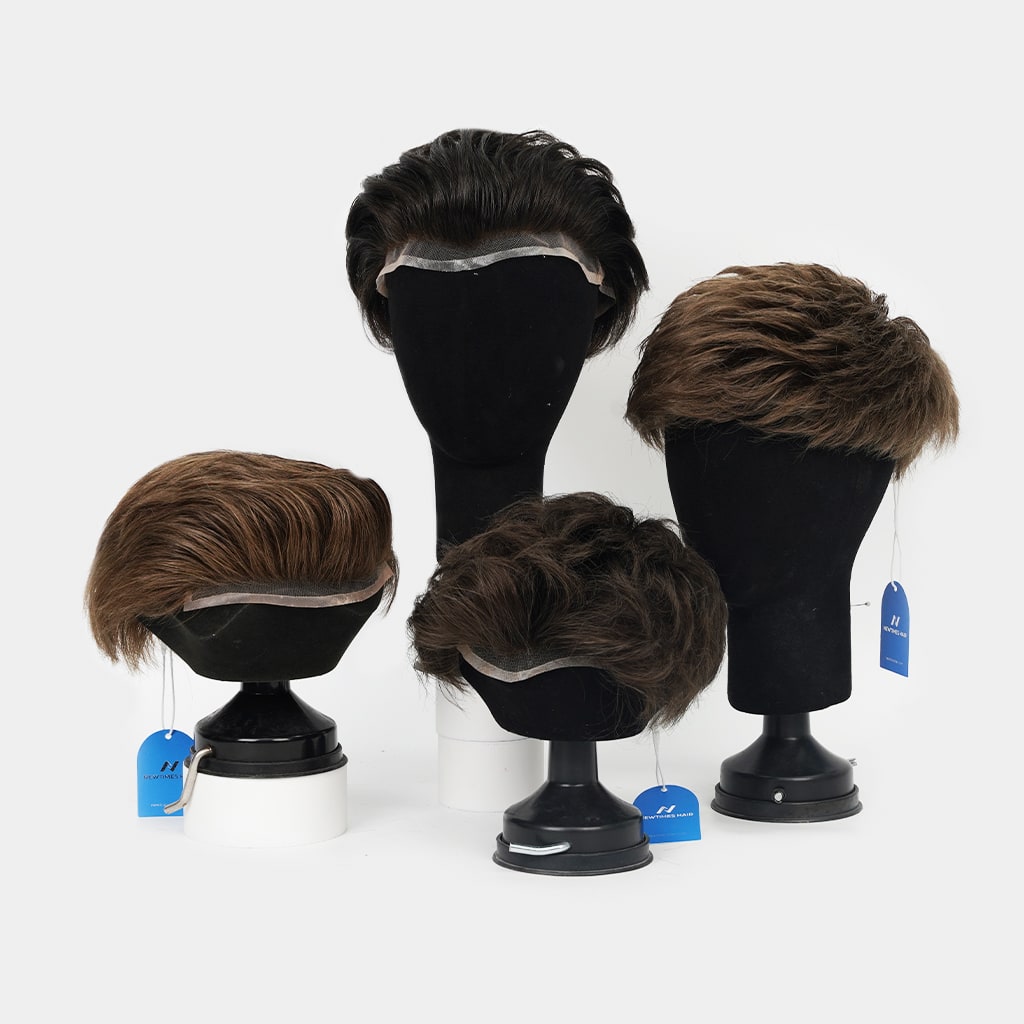
Direct from Source: Why the Best Human Hair Wig Manufacturers are in Asia
Sourcing ethical human hair wigs means going straight to Asia’s production hubs. This region leads the global market, supplying brands like Newtimes Hair and acting as the main center for raw materials and skilled craftsmanship. So what actually makes this area the “Silicon Valley” of the hair industry? Here are the key structural advantages.
Key Takeaways
- Leverage regional expertise: Source scalable innovation from China, raw virgin hair from Vietnam and India, and hand-tied lace craftsmanship from Indonesia.
- Buy directly from Asian hubs to eliminate middleman markups, securing premium, intact-cuticle hair at competitive prices with lower minimum order quantities.
- Prioritize ethical manufacturers that offer transparent supply chains, fair wages, and non-toxic, eco-friendly processing to attract modern, conscious consumers.
- Partner with established wholesale suppliers like Newtimes Hair to guarantee strict quality control, fast logistics, and scalable growth for your retail brand.
The Silicon Valley of Hair: Why Asia Leads the Global Market
Asia isn’t just a low-cost manufacturing hub for wigs anymore. It runs as a highly advanced, specialized ecosystem. Think of it as the Silicon Valley of the hair industry. Modern facilities here mix strong technology with strict ethical sourcing to create top-tier hairpieces for the global market. Retailers and experienced wearers often assume high quality only comes from boutique European workshops. That’s not true. Asian factory floors use state-of-the-art ventilation labs and proprietary treatment methods to ensure unmatched Quality & Craftsmanship at scale. This setup lets ethical brands like Newtimes Hair keep very competitive sticker prices without cutting production standards or forcing huge minimum order quantities. And this level of industry leadership doesn’t happen by chance. It depends entirely on core pillars that support the system and make it extremely hard to copy anywhere else.
Unrivaled Access to Premium Raw Materials
The biggest edge Asian manufacturers have is their location, close to the world’s best Raw Material (Human Hair). This ethically sourced, unprocessed fiber is known locally as "Black Gold."
Buying straight from the source removes middleman markups completely. That brings down the base sticker price for resellers while keeping premium quality intact. Freshness matters just as much as the cost savings. Since factories are right next to collection networks, the hair skips long shipping delays. It doesn’t sit in transit or need harsh preservation chemicals to survive long trips.
The cuticles stay fully intact, strong, and healthy. This leads to wigs that last 12 to 24 months with normal care, which cuts long-term costs for wearers. Of course, turning this raw, untouched fiber into a flawless retail product takes more than good logistics. It requires serious technical skill to process the material without causing permanent damage.
Generational Mastery and Hand-Tied Precision
Working with premium hair is a delicate, unforgiving craft that depends heavily on skill. In these manufacturing hubs, wig-making is a generational trade. Whole families have spent decades mastering the exact tension needed to secure individual strands to a fragile lace base.
This hand-tying knots process, officially called hand-ventilation, can’t be rushed or easily automated. Artisans spend up to 40 hours carefully hooking single hairs into microscopic lace holes. This detailed method creates a scalp illusion that looks just like natural hair growth.
Machine-made options simply don’t deliver the same natural movement, breathability, or long-term durability for daily wear. The hands-on artisanal approach ensures each piece falls and parts naturally, giving maximum confidence. But this traditional, handcrafted precision is only part of the story. To meet global demand and keep strict quality control, these skilled artisans now combine their long-standing techniques with modern lab innovation.
Regional Specialization: Finding Your Perfect Manufacturing Match
Not all Wig Manufacturers/Factories operate with the same strengths. Not even close. Asia dominates this market, but production is split by regional expertise. If you need low Minimum Order Quantities (MOQs) for your retail shop, one country may fit better than another. China, Vietnam, and Indonesia each bring clear advantages to the supply chain, from raw material collection to detailed hand-tying techniques. Pick the wrong region and you’ll likely face higher prices and product quality that doesn’t line up. Matching your business model with the right local expertise keeps inventory costs in check and your ethical standards solid. To make a smart sourcing call, you first need to look at the tech powerhouse driving most of this industry.
China: The Global Hub for Innovation and Scale
China leads the global market in both volume and manufacturing tech. Cities like Qingdao act as the center for advanced hair replacement systems and large-scale factory work. When retailers need huge bulk orders done fast, Chinese facilities come through. They invest heavily in R&D, developing their own bleaching methods that protect the hair cuticle during mass production.
This level of industrialization helps your bottom line directly. Factories here offer very competitive wholesale pricing because automated prep cuts overhead. They can ramp up production quickly to meet seasonal demand spikes. Many facilities also offer flexible terms, so smaller resellers can access top-tier products without unrealistic minimum orders.
Scale is only one part of the sourcing picture. While China shines in processing and building durable base designs, some buyers want the purest, untouched fibers available. That push for raw quality shifts attention away from industrial hubs and toward rural collection networks in other countries.
Vietnam and India: The Source for Raw Virgin Textures
For premium, minimally processed materials, buyers go straight to the source. A specialized Vietnam hair factory usually doesn’t focus on complex base construction. Instead, these facilities lead the market in thick, ultra-durable virgin hair that hasn’t gone through chemical treatment. The natural human hair from these regions keeps its original strength, making it perfect for high-end luxury wigs.
Indian hair traders work at a similar scale but offer a different texture. They provide large amounts of fine, naturally wavy hair that blends well with European textures. Since this hair needs almost no acid processing to feel soft, it lasts a long time. Many wearers get up to two years of daily use from these bundles.
Sourcing this raw material ethically gives you a strong, marketable luxury product. But even perfect hair fibers fall short if they’re attached to an unnatural base. The industry depends on another region entirely for the detailed craftsmanship needed to create flawless caps.
Indonesia: The Artisans of Lace and Ventilation
Indonesia holds a highly respected role in the global supply chain. This is where the most detailed base work takes place. While other countries supply raw fiber or handle large-scale processing, Indonesian workshops focus on careful hand-ventilation. Artisans spend hours attaching individual strands to ultra-fine lace.
This deep focus on craftsmanship makes Indonesia the go-to destination for high-end Lace front wigs. The knotting techniques used by local workers are extremely precise, creating knots that closely mimic natural hair growth at the scalp. Machines just can’t match this level of detail.
By combining the strengths of these regions, top suppliers produce a near-perfect final product. It takes Chinese innovation, raw virgin materials, and Indonesian craftsmanship to build a premium hairpiece. Ethical manufacturers use this network to keep prices fair and quality high. That’s exactly how Newtimes Hair delivers world-class, responsibly sourced products to retailers worldwide.
Why Newtimes Hair Represents the Best of Asian Manufacturing
Connecting advanced Asian manufacturing with strict global standards gives retailers a real edge. Newtimes Hair does exactly that. As leading Wholesale Suppliers, they make launching a premium private label feel simple. But today's market asks for more than just great construction, so the focus shifts straight to sustainability.
Strategic Advantages of the Newtimes Hair Supply Chain
Retailers need predictable operations to stay afloat. This brand offers a low Minimum Order Quantity (MOQ), letting smaller shops grow without huge upfront inventory costs. Strict quality control checks every piece before it leaves the factory floor.
Their highly efficient shipping and logistics network cuts down transit delays. You get much shorter lead times, so fresh stock shows up right on schedule. Fast deliveries keep your cash flow in good shape, but modern buyers also care about factory conditions. And that pushes ethical sourcing right to the front.
The Ethics of the Source: Sustainability in Asian Factories
Today’s wig buyers want more than just a good price. They want to know how their hair pieces are actually made. That push for transparency is forcing top Asian factories to rethink how they operate. Ethical sourcing isn’t just a marketing buzzword anymore—it’s a real requirement if you want to stay competitive in 2026.
Facilities are treating workers better, paying fair wages, and reducing waste. Suppliers like Newtimes Hair focus on sustainability, helping your retail shop earn quick trust with eco-conscious customers. But you can’t just take a factory’s word for it. Real transparency means seeing solid proof behind those claims.
The best manufacturers track and document their entire supply chain. That includes everything from where the raw hair comes from to the conditions inside the cutting rooms. When you understand exactly how these products are made, it naturally leads to the materials themselves.
Moving Toward Eco-Friendly Wig Caps and Non-Toxic Processing
The materials used in wig production are finally getting a serious upgrade. Traditional processing leaned heavily on harsh acid baths and silicone coatings to make low-quality hair look appealing. Those days are fading. Thanks to better technology, leading factories now use chemical-free methods to clean and color raw hair. This keeps the cuticles intact while also protecting the environment from toxic runoff.
The base of the wig is changing too. Manufacturers are quickly developing eco-friendly wig caps made from biodegradable lace and sustainable bamboo fibers. These materials also breathe better against the scalp.
Choosing these cleaner methods usually means paying a bit more upfront. But the payoff is a safer product that premium buyers are happy to invest in. Now that you know what to look for, the next step is having a clear set of rules to vet suppliers and confirm their claims.
It looks like the draft text is missing. Send it over and I’ll polish it while keeping the structure exactly the same.
Conclusion: Why the Future of Hair is Rooted in the East
Why is Asia the global hub for wig production? It’s pretty straightforward. The region brings together highly efficient supply chains and decades of real, hands-on experience.
For retail businesses, sourcing from here means you can tap into very competitive pricing without cutting corners on ethics. You also get lower minimum order quantities, so your brand can grow at its own pace instead of taking on huge upfront costs.
Working with sustainable leaders like Newtimes Hair gives you a clear advantage. They take care of the entire manufacturing process behind the scenes. That kind of setup makes a big difference over time. You end up with stronger margins while still delivering consistent, high-quality products to your loyal customers.
Frequently Asked Questions About Asian Wig Manufacturing
What country has the best human hair wigs?
It's a split. China dominates scalable tech and innovation. Vietnam and India own the raw virgin hair market. Indonesia rules hand-tied lace. You pick the country based on the specific component you need.
Is Chinese or Burmese hair better?
Neither is universally better. Chinese hair is thick, straight, and survives heavy bleaching. Burmese has a natural coarse wave. Grab Chinese for sleek platinum blondes. Use Burmese for textured, bouncy styles.
How can I verify if a supplier is a direct factory?
Demand a live video call. Real factories will walk you across the production floor right then. Middlemen make excuses. Also check their business license. A true direct source lists manufacturing, not just trading.
What are the benefits of buying wholesale wigs direct from a Chinese factory?
You kill the middleman markup. That means premium, intact-cuticle hair at a fraction of the cost. Partnering with established hubs like Newtimes Hair also guarantees strict quality control and faster shipping. Profit margins instantly jump.
About the Creator
Leo
Passionate men's hairstylist with a keen eye for detail and a knack for creating on-trend looks. Dedicated to delivering hair restoration education that enhances individual style.
Enjoyed the story? Support the Creator.
Subscribe for free to receive all their stories in your feed.
Comments
There are no comments for this story
Be the first to respond and start the conversation.