
Cannabis Seeds
A Complete Guide to Genetics, Types, and Beginner Basics
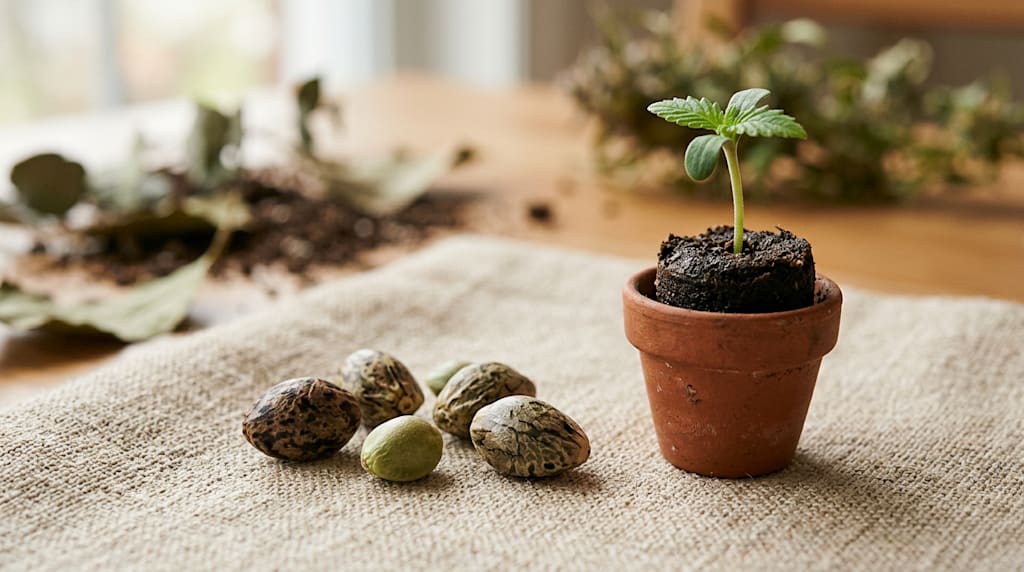
Cannabis seeds are the foundation of every plant, yet they carry a depth of genetic complexity that many newcomers overlook. Understanding seed genetics, the differences between seed types, and the legal context around cannabis can make the topic much clearer and more practical for anyone curious about growing or learning about this diverse plant.
What Genetics Actually Determines in Cannabis
Seed genetics play a crucial role in shaping the traits a plant will express as it develops. These include height, branching patterns, flowering time, aroma profiles, and overall resilience to environmental stress. Because cannabis is genetically diverse, even two seeds taken from the same line can produce slightly different plants, especially when growing conditions vary.
Breeders work to create stable lines over multiple generations, but no seed is an exact clone of its parent. This is why people often talk about stability when describing a genetic line. A more stable line tends to produce more predictable results across multiple plants, while less refined genetics may show wider variation from plant to plant in terms of structure, timing, and characteristics. For beginners, stable genetics usually mean a smoother learning experience because the outcomes are more consistent and easier to anticipate.
The Main Seed Types Explained
The three most common categories are regular, feminized, and autoflowering seeds, each with distinct characteristics that affect how growers approach cultivation. Regular seeds can produce either male or female plants, making them useful for breeding programs but less convenient for growers who want to avoid the step of identifying and removing male plants later.
Feminized seeds are bred specifically to produce female plants, which are the ones that produce the flowering material most growers seek. This makes feminized seeds popular among first-time growers looking for simplicity and fewer complications. Autoflowering seeds follow a different biological pattern altogether. Instead of relying mainly on light changes to begin flowering, they transition based on age, which can make them easier to manage in simple setups where light control is limited.
Photoperiod seeds, by contrast, depend on specific changes in light exposure and usually give the grower more control over vegetative growth duration. Basic comparisons of these types are available on sites like https://herbiesheadshop.com/, but understanding the key differences matters most when choosing your first seed type for a growing project.
Practical Tips for First-Time Growers
For a first attempt, simplicity usually works better than chasing unusual or overcomplicated experimental genetics. Choosing one seed type and learning how it behaves teaches more than starting with several variable strains at the same time. Beginners also tend to benefit from genetics that are described as consistent rather than highly unpredictable or volatile.
Storage is another basic that is easy to overlook but has significant long-term effects. Seeds last longer when kept cool, dry, and away from direct light exposure. Heat, moisture, and poor labeling can all reduce viability over time, so even simple storage habits can make a difference later when you want to use those seeds.
Legal Context and Current Research
Cannabis laws vary widely by country and region, creating a complex landscape for anyone interested in seeds. In some places, possession, sale, or cultivation may be allowed under certain conditions with proper licenses; in others, they remain restricted or prohibited entirely. Before considering seeds, it is important to understand the local rules that apply, because legality can differ significantly for purchase, germination, and growing activities.
Research on cannabis has expanded substantially in recent years, especially in breeding techniques, cannabinoid chemistry, and plant traits. Scientists continue to study how genetics influence outcomes and environmental factors affect expression. Still, many online claims go beyond the available evidence and mix marketing with science. A careful reader should separate scientific findings from marketing language and treat cannabis as both a botanical subject and a regulated plant with legal considerations.
A Practical Way to Start Growing
For beginners, the best approach is to start small, observe carefully, and learn how genetics and environment interact in real conditions. Seed type matters, but light quality, temperature stability, water management, and patience matter too. Once those basics are clear, cannabis seeds become easier to understand as the beginning of a plant’s life rather than just a commercial product category for consumers.
About the Creator
Enjoyed the story? Support the Creator.
Subscribe for free to receive all their stories in your feed.
Comments
There are no comments for this story
Be the first to respond and start the conversation.