
Can I get a hair transplant consultation while wearing a hair system?
Hair Transplant Consultation with a Hair System in 2026

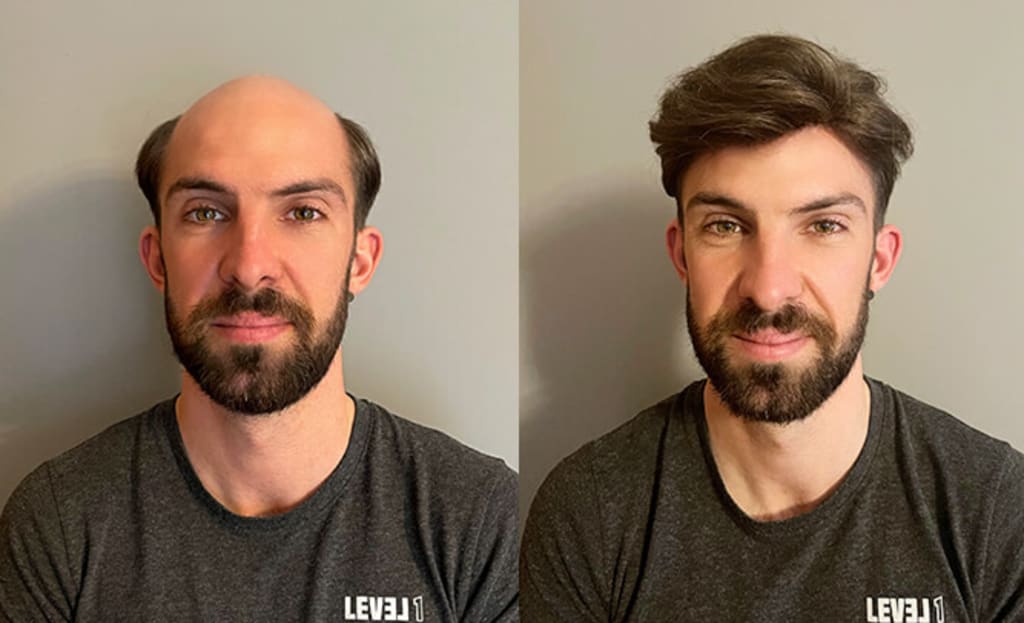
Can I get a hair transplant consultation while wearing a hair system?
Hair Transplant Surgery consultations can still happen even if you wear a Hair System. Most clinics see this all the time, so it won't disqualify you from getting a proper evaluation.
You can keep your privacy during the consultation. But, the surgeon will need direct access to your scalp. They have to check your donor hair density and hair loss patterns before giving you accurate advice. That's it.
Key Takeaways
Hair systems do not disqualify you from transplant consultations or candidacy.
Surgeons need direct scalp access to assess donor density and loss patterns.
Remove your system 24 to 48 hours before visits for accurate evaluation.
Poor maintenance like tight clips or residue can damage donor areas.
Wait 10 to 14 days after surgery before reattaching any hair system.
Why Surgeons Need Access to Your Bare Scalp and Donor Zone
Surgeons need to see your actual scalp, not a covered one, to give you solid advice. Having a clear view lets them judge your donor supply, figure out your hair loss pattern, and decide how many grafts make sense.
Even a perfectly fitted hair system hides key details. Without touching and seeing the scalp directly, any Follicular Unit Extraction (FUE) estimate is just guesswork. Plain and simple.
Examining Donor Area Density and Scalp Laxity
Your donor supply sets the hard limit for your transplant. The surgeon will part your hair to see exactly how many usable grafts live in the donor zone—usually the back and sides of your head. High density means they can safely take out more grafts without thinning the area too much.
Scalp laxity matters just as much. The doctor gently moves your skin around to see how tight or loose it feels. A tight scalp might restrict certain techniques and change how easily grafts come out during FUE.
They'll also check out your hair thickness and curl, since thicker strands cover more ground with fewer grafts. This quick hands-on exam turns a rough guess into a real plan. It also leads right into checking the skin itself.
Assessing Scalp Health, Irritation, and Adhesive Residue
Clean, calm skin gives the clearest reading. If adhesive from your attachment method is still sitting on your scalp, it can block pores and throw off the dermoscopy results. The surgeon might not be able to spot follicle openings or tiny miniaturized hairs.
Irritation is another big issue. Redness, bumps, or mild swelling from tape or glue can mimic or hide actual scalp problems. That easily leads to a wrong diagnosis or pushes back your whole treatment plan.
Taking off that residue and letting your scalp settle down before the visit goes a long way. It makes everything easier to see and helps the team make much better post-op care choices later on.
Three Ways to Navigate Your Hair Transplant Consultation Day
You don't have to choose between privacy and a useful consultation. You can leave your Hair System on, take it off early, or get some help right at the clinic. Simple.
Every option balances staying discreet with letting the surgeon see your scalp clearly. Just pick based on your comfort, schedule, and how exact you need that first check-up to be.
Option 1: Starting with a Virtual Consultation
A virtual Consultation lets you stay fully covered while getting some early advice. You keep your Hair System on, send over pictures, and chat about your history and goals right from the couch.
Most clinics will want clear photos of your hairline, sides, and back. If possible, lift small parts of the system or part your hair to show tiny bits of your scalp. This gives them a basic idea of donor density and your loss pattern without putting it all on display.
This path works great as a first step. It helps you figure out if a transplant or a Non-Surgical Hair Replacement plan makes sense for you before actually showing up in person.
Option 2: Detaching Your System 24 to 48 Hours Before the In-Person Visit
Taking off your system a day or two before your visit gives the clearest read of your Scalp. It gives any redness from Adhesive or tape plenty of time to calm down.
Freshly removed Base Materials usually leave behind some residue or mild irritation. And if you walk in right after taking it off, the surgeon might see blocked pores or red skin. That can really mess up their assessment.
Waiting 24 to 48 hours lets your skin get back to normal. So, it's way easier to judge follicle visibility, donor strength, and overall scalp health without anything getting in the way.
Option 3: Requesting a Private Room for Clinic-Assisted Removal
You can always ask for a private room if you'd rather not show up without your Hairpiece / Toupee. Many clinics offer quiet, on-site help during the Consultation.
A tech can carefully take off your system, handle the Adhesive cleanup, and help with basic Camouflage after the exam is done. This keeps everything under control. It also takes away the stress of trying to manage it all yourself.
This is perfect for folks who want accurate results but hate the idea of being seen in public without their system. You're just trading a little extra time at the clinic for a lot more privacy and hands-on help. That's it.
Does Wearing a Hair System Damage Your Candidate Eligibility?
Wearing a hair system almost never disqualifies you from getting a transplant. The real issue is how you manage it over time, not just the fact that you happen to wear one.
Most surgeons care about your donor supply above all else. That's the density and strength of the hair resting at the back and sides of your head. A well-managed system won't touch that supply. Bad habits, though? Those definitely can. Tight clips yanking on the exact same spots every single day can cause Traction Alopecia. Ignore that, and you might thin out or scar those areas.
Adhesives are perfectly safe if you use them right. Real problems only pop up when you leave the glue on way too long, skip proper cleaning, or stick it straight over irritated skin. Messing that up blocks your follicles. It also makes your scalp pretty tough for a doctor to check out during a consultation.
Your daily routine actually matters a lot more than the system itself. Stick to a solid maintenance plan. Wash it every 7 to 14 days, rotate where you place your clips, and give your scalp a quick breather now and then. Doing this keeps your skin and those precious donor zones in great shape.
Timing is another big factor after surgery. Most clinics will tell you to skip wearing your hair system for about 10 to 14 days post-op. After that, you can slowly bring it back into the mix without ruining your new grafts.
Want a totally smooth consultation? Showing up prepared changes everything. Here's exactly what you need to handle right before walking into the clinic.
Practical Preparation Checklist for Your Consultation Visit
Coming in prepared lets the surgeon get a real look at your hair and scalp, even if you wear a system. The goal here? Give them a clear view of your actual hair growth, donor areas, and skin condition. That way, the plan they suggest is based on facts, not guesswork.
Start 3 to 5 days before your visit. Take off your hair system and don't put it back on. This gets rid of leftover adhesive and gives your scalp time to breathe. Wash your head well at least once during this break. Skip the heavy oils, fibers, or concealers on the day of your appointment. You should still bring your system with you, though. It really helps the doctor see your current style and what kind of coverage you're aiming for.
Be ready to talk about how you attach your system. Let them know if you use tape, glue, or clips, and exactly how often you take it off to clean. You'll also want to share your normal routine. Tell them how often you wash (like every 7 to 14 days), how long you leave adhesives on, and if you've ever dealt with redness or irritation. These little details help the surgeon figure out your overall scalp health and catch hidden issues like traction or product buildup.
Snap a few clear pictures of your hair without the system before you head out. Make sure the lighting is good, and get shots from the front, top, and back. This backs up their in-person check and makes it easier to track changes down the road. Once the visit wraps up, the focus moves to mapping out timelines, managing expectations, and figuring out what recovery actually looks like.
Timeline and Protocols for Resuming System Use Post-Consultation and Post-Op
You can put on a non-surgical hair system right after your consultation. But if you have surgery, that timeline shifts. The safe window really comes down to how fast you heal, graft stability, and your attachment method.
If you just had a consultation, you can put your system back on the same day. Just make sure your scalp looks calm—no redness, cuts, or irritation. Wash the area, use fresh adhesive, and stay away from tight bonding for the first 24 hours. This stops your skin from flaring up before any upcoming procedures.
Post-op care is a lot stricter. Most surgeons will tell you to wait at least 10 to 14 days before putting anything over the recipient area. While you wait, those grafts are still anchoring into place. Any pressure, rubbing, or sticky adhesive can pull them out and ruin your results. It's that simple.
Blending in matters during that awkward gap. Stick to loose hats or scarves instead of bonding a system to your head. If you absolutely have to wear a unit sooner, go with clip-ons that completely avoid the transplanted zone. But don't do this until your doctor gives you the green light.
Your base material also changes the timeline. Breathable lace goes a lot easier on your scalp than thick polyurethane since it doesn't trap as much heat or sweat. Even so, keep your wear time short in the beginning. Start with a few hours and slowly build up.
If you're looking for a fresh unit, brands like Lordhair sell lightweight options. Just remember that getting the right fit and attachment method matters way more than the brand name while you recover.
Maintaining Confidence During Your Hair Restoration Journey with Lordhair
A well-made hair system keeps your look consistent while your natural hair recovers or grows back. It hides thinning spots right away. So you don't have to stress about obvious gaps during the growing-in phase.
The secret is picking the right Base Materials and nailing the fit. Lightweight lace bases let your scalp breathe and cut down on irritation. Thin skin bases, on the other hand, give you a sharp, realistic hairline for up-close encounters. Put it on right, and a Non-Surgical Hair Replacement system blends right into your own hair. It stays put through your normal routine—whether that means work, light workouts, or weekend plans.
Consistency is everything. Cleaning it every 7 to 10 days and reattaching it carefully keeps the piece looking completely natural week after week. Simple.
About the Creator
Leo
Passionate men's hairstylist with a keen eye for detail and a knack for creating on-trend looks. Dedicated to delivering hair restoration education that enhances individual style.
Enjoyed the story? Support the Creator.
Subscribe for free to receive all their stories in your feed.
Comments
There are no comments for this story
Be the first to respond and start the conversation.