
Bono Hair:Which hair system base is best for an oily scalp?
Which Hair System Base is Best for an Oily Scalp in 2026?

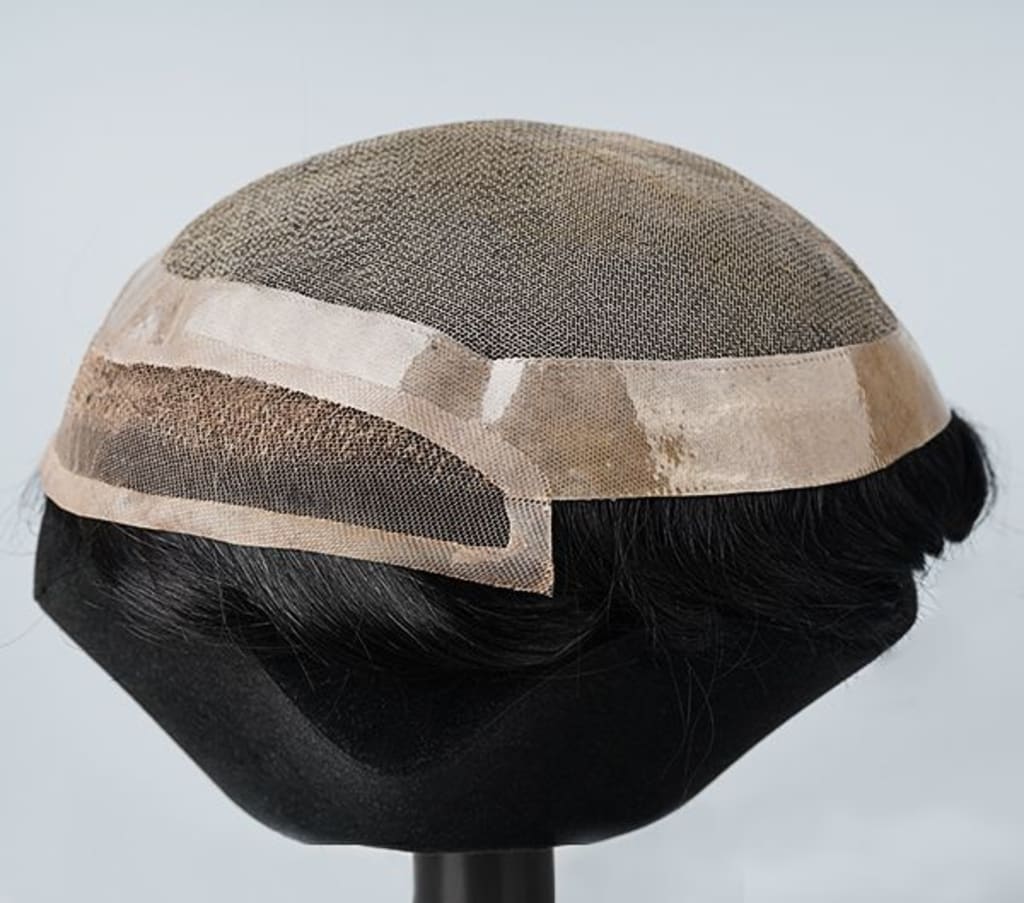
Which hair system base is best for an oily scalp?
Picking the right hair system base really matters when an oily scalp breaks down the bond and leaves residue behind. Lace usually breathes better for your clients, but thin poly is much easier to clean. Hybrid bases can easily balance both needs. Here's how to match the right base material to each wearer's oil level and daily routine.
Key Takeaways
Full French lace offers the best airflow for clients with heavily oily scalps.
Lace-center hybrids simplify perimeter adhesive cleanup for oily-scalp maintenance.
Refit schedules should follow each client's first signs of edge lifting.
Why Are Oily Scalps the Toughest Challenge in Hair Replacement?
Oily scalps mean a lot more scrubbing and make it tough to predict when your clients will actually need their next visit. Scalp oils—also known as sebum—just build up on the hair system base, the scalp itself, and the hair right around the edges.
For your salon, this means you'll need tighter consultations and crystal-clear home-care instructions. Plus, expect to spend extra time getting rid of residue during refits. Bono Hair suggests checking out how oily each client gets, along with their daily washing routine, before you lock in a set maintenance schedule.
How Does Sebum Chemically Break Down Hair System Adhesives?
Sebum doesn't always chemically dissolve an adhesive tape bond, but it definitely weakens the hold right where the adhesive meets the scalp. The natural fatty lipids form a layer that gets in the way of full contact. Eventually, that oil creeps right into the bond itself.
Acrylic adhesives often lose their strength as oil piles up. Meanwhile, water-based bonds just soften and let go a lot faster on oily clients. So for salons, early edge lifting is usually an oil-management problem. It's not a bad install.
Why Do Solid Polyurethane Bases Trap Heat and Accelerate Oil Buildup?
Solid Thin Skin (Polyurethane/PU) bases hold onto heat because their solid surface just doesn't let air flow through. For clients with naturally oily skin, this extra warmth causes more oil to sit right under the base. Think of it like moisture getting trapped under a heavy raincoat.
Eventually, that surface oil seeps right into the adhesive line. The result? The edges start lifting a lot faster than usual. Tell your clients to thoroughly wash their scalp during every single refit, and make sure they book an earlier check-up the second they notice any shine or peeling.
Comparing Hair System Base Options for Oily Scalps
The right hair system base cuts down on heat buildup, makes cleaning way easier, and helps your clients get longer wear between refits. For oily scalps, ventilation is everything. But the base also needs to fit seamlessly into your salon's daily routine.
Full lace, monofilament, thin skin, and hybrid bases all come with their own unique maintenance workloads.
Full French Lace Bases: Maximum Ventilation and Airflow
A full-lace base made from French lace is usually your best bet for clients producing a lot of oil. The open mesh actually lets air hit the scalp instead of trapping heat and sebum under a solid layer. Think of it like wearing a breathable cotton shirt instead of a heavy raincoat.
French lace also takes the headache out of routine cleaning. Oil moves right through the mesh instead of pooling up across a flat surface. Just remind your clients that airflow doesn't magically stop scalp oil. It just stops that oil from sitting trapped under the hair system.
When clients come into the salon, make sure to inspect the lace closely at every refit. Gently lift away any adhesive residue from the mesh so blocked holes don't ruin the ventilation French lace is meant to provide.
Monofilament Bases: Balance of Airflow and Structural Durability
Monofilament definitely offers airflow, though not quite as much as French lace. It's a solid choice when a client needs a base that can take heavier handling, daily brushing, and frequent salon trips without totally ignoring breathability.
For an oily scalp, the trade-off is pretty straightforward. Monofilament doesn't vent as openly as full lace, but it completely avoids that suffocating feel of solid polyurethane. Think of it like a heavy-duty screen door. Air still gets in, but the material holds its shape.
Always check the underside for oil and adhesive buildup during every single service. Keeping that monofilament surface clean protects the ventilation and stops the base from feeling heavy against the scalp.
Thin Skin (PU) Bases: Why Solid Polyurethane Traps Sebum and Heat
Can you put a thin skin hairpiece on an oily scalp? Yes. But it's rarely the first base you'd suggest for a client dealing with heavy oil output. Thin skin, or polyurethane (PU), is completely solid. Air simply can't pass through it.
That sealed surface locks heat and sebum right against the scalp. Once oil hits the adhesive, bonds lose their grip much faster. This means more refit work for your salon and extra maintenance trips for the client.
If a client is dead set on the natural look and easy cleanup of a thin skin base, get them on a shorter service schedule from day one. Clean the underside completely at every refit and keep a close eye on the perimeter for any early lifting.
The Hybrid Solution: Lace Center with a Poly Perimeter
A lace and skin combo is usually the perfect middle ground for oily-scalp clients. The lace center brings in airflow right where heat and oil tend to build up. And the poly perimeter gives your team a clean, defined area for tape or adhesive cleanup.
This type of base works a lot like a jacket with a breathable back panel and reinforced edges. Your client gets plenty of ventilation across the main scalp area, and your salon gets a much cleaner, easier attachment zone around the perimeter.
During refits, focus your cleaning time on that poly edge where the adhesive residue likes to collect. Then, just inspect the lace center for trapped oil or styling buildup. Simple. For most salons, this hybrid design is the best way to balance breathable wear with easy, repeatable maintenance.
How Does Ventilation Prevent Thermal Sweating Under the Base?
Ventilation helps keep the scalp cooler by letting heat escape through an open base instead of trapping it under polyurethane. Holding in less heat means less sweating. This is a big deal, because sweat and natural scalp oils can easily reach the adhesive and weaken the bond.
If you're working with oily-scalp clients, suggest lace or a lace-center hybrid when airflow is the main goal. At every refit, make sure to clear away any oil, residue, and styling buildup from the mesh so blocked openings don't ruin the breathability. Simple.
What Are the Core Benefits of a Full Lace Base for Oily Skin?
A full-lace base gives oily-scalp clients maximum airflow across the whole covered area. Its open mesh lets heat escape instead of trapping it against the skin, which helps stop sweat and oil from spreading under the hair system.
For salons, this means a much fresher feel between refits and way fewer complaints about trapped heat. Just remind clients to keep the lace openings clear of oil and styling buildup. Blocked mesh just can't breathe. Simple as that.
What Is the Ideal Bond Breakdown Timeline for an Oily Scalp Client?
Clients with oily scalps need to get their bonds checked much sooner than people with normal skin. That's because natural sebum breaks down the adhesive around the edges long before the hair system actually starts to shift.
Base every re-fit appointment on the client's actual edge lift and residue buildup, rather than just sticking to a strict number of days. During those first few visits, track exactly when the scalp oils start messing with the glue. Once you figure that out, use the pattern to book all their future maintenance. It's really that simple.
Is a Lace or Skin Base Better for Heavy Sweaters?
Lace is usually the best place to start for clients who sweat a lot. Its open structure actually lets air hit the scalp. That just makes daily wear way more comfortable when they're sweating often.
Skin bases might be easier to wipe down, but oil and sweat easily get trapped right under the surface. Just help your clients keep an eye on edge lift. Make sure to clean the base really well during every re-fit, and plan their maintenance schedule around how much they actually sweat.
Which Adhesives and Tapes Perform Best Against Heavy Sebum?
Adhesive tape designed for oily scalps is usually your most practical route when a client's sebum causes constant edge lift. It gives your salon a reliable bond that swaps out cleanly at every single re-fit.
For heavy scalp oils, stick to tapes and liquid adhesives specifically marked for oil resistance, then patch test and track the hold time for each person. You won't find a bond that beats sebum forever. But making the right choice sets up a predictable schedule for maintenance.
How Should You Pair Specific Base Materials with Oil-Resistant Adhesives?
You need to match the adhesive to the hair system base, not just your client's oil level. If you're dealing with an oily scalp, oil-resistant tape usually works best for lace. It gives a solid hold without pushing liquid glue straight through the mesh.
Lace, Poly, and Hybrid Base Matches
Stick to oil-resistant glue or tape on poly bases. The smooth surface actually makes cleanup a lot faster during re-fits. Hybrid bases require a split approach. Just use tape or glue around the poly perimeter, and keep the adhesive to a bare minimum near the lace. Bono Hair suggests testing out these pairings during the consultation. After that, just jot down the hold time and cleanup results so you can easily repeat the service next time.
What Is the Ultimate In-Salon Oily Scalp Preparation Protocol?
An oily scalp needs a completely clean, dry, and residue-free surface before you fit a hair system. The goal is pretty straightforward. Just strip away the natural oil without leaving behind any conditioner, soap, or moisture that might ruin the adhesive's grip. Simple.
Wash the attachment area with a good salon-grade scalp cleanser. Wipe off every bit of residue, and let the skin air dry completely. Then go ahead and apply a scalp protector, but only after you've done a quick patch test. For those clients asking, "How to choose the right base for your hair system if you have oily skin?", keep track of which prep routine actually gives them the longest hold at every re-fit.
Why Is Exfoliation with Salicylic Acid Crucial Before Installation?
Salicylic acid does a great job prepping an oily scalp. It actually pulls sebum right out from inside the follicle opening, rather than just wiping it off the surface.
For your client, this means less oil seeping into the adhesive after the fitting. Treat it as a controlled prep step. Just make sure to wash the exfoliant off completely and check the scalp before placement. Bono Hair's practical rule: clean skin holds a lot better than skin hiding oil right under the surface.
How to Use Scalp Protectors to Block Sebum Migration
Professional barrier films create a thin shield between the scalp and your tape, giving the adhesive a much cleaner surface to grab onto. They cut down on direct contact with natural scalp oils, or sebum. Because of this, oil is way less likely to weaken the bond from underneath.
Just apply the film to clean, dry skin, let it dry completely, and then put your tape in place. Simple. Bono Hair considers barrier film an extra line of defense, but it's definitely not a magic fix for badly prepped skin.
What Is the Correct Cleansing Routine for Scalp Sebum Control?
You have to wash an oily scalp regularly. If you don't, sebum just pools right at the edges of the hair system and ruins your bond time. When a client is producing a lot of oil, tell them to take the system off every day. They need to wash their scalp with a mild cleanser and make sure it's completely dry before putting the piece back on.
Always clean the base separately. If you're dealing with lace, rinse it gently so you don't stretch it out. For poly bases, just wipe them clean. Pay extra attention to the outer edges, since that's where oil piles up the fastest.
How Should Stylists Teach Clients to Clean Under Lace in Wear?
For a bonded full-lace base, show your clients how to use a simple squeeze bottle. They can squirt lukewarm water straight through the lace to wash away surface oil. Just tell them to keep the water stream gentle and stay away from the edges. After that, they should gently blot the area dry. No rubbing allowed.
Because lace breathes, water passes right through instead of pooling on top. It's a great habit for clients to pick up between salon visits. Plus, it really helps people with oily scalps keep their bond clean without messing up the hold.
Should You Recommend Daily Removal or Extended Wear for Oily Scalps?
Taking the unit off every day is usually the safest bet for clients with really oily scalps. Oil breaks down adhesive fast. It also leaves gunk right at the bond line. Sticking to a fresh daily tape routine just makes the whole cleaning and reattaching process much easier to handle.
Clients ask all the time, "Should I take my hair system off every day if my scalp gets super oily?" The short answer? Usually, yes. Save extended wear for people who can actually keep their scalp and base clean between appointments, and who know to come back the second those edges start to lift.
How to Choose the Right Hair System Base for Your Client's Lifestyle
When dealing with oily clients, how often they sweat should really drive your base choice. Just ask them, "How often do you sweat while wearing your hair system?" A client working a desk job who barely sweats might do just fine with a poly base. But someone hitting the gym all the time usually needs a breathable lace option.
Poly is super easy to wipe clean between refits. Lace lets heat and sweat escape, but you'll have to clean it more carefully. Bono Hair suggests picking a base that fits the wearer's daily job, workout habits, and how often they book maintenance appointments. Simple.
What Are the Essential DOs and DON'Ts for Managing Oily Scalp Hair Systems?
Clients with an oily scalp need a totally clean head and a hair system base that's completely free of oil before every single reattachment. Just match the base to how much the wearer sweats, and keep their cleaning routine consistent.
Make sure clients wash away scalp oil before their appointments. You'll want to clean poly bases carefully—though the smooth surface wipes down pretty easily. Lace, on the other hand, needs a gentle touch so residue doesn't get stuck in the mesh. And whatever you do, don't use conditioner, styling oil, or heavy leave-in products anywhere near the bond. Also, never put off a re-fit once the system starts lifting.
How to Handle Odor and Bacterial Control Beneath Breathable Bases
Ventilation helps moisture escape, but it doesn't replace a regular cleaning schedule. If a client has an oily scalp, take the hair system off at every planned re-fit. Wash both the scalp and the base, then make sure to dry them completely. This stops odor-causing bacteria from building up.
Lace breathes better, but it can trap residue right in the mesh. Poly wipes clean much faster, though it holds in a lot more heat. Talk to your clients about odor early on. Then, just shorten the time between re-fits if you notice oil coming back fast.
What Is the Direct Professional Verdict on the Best Base for Oily Scalps?
Which hair system base is best for an oily scalp? French lace is the top pick for most salon clients. Its open mesh lets heat and moisture escape instead of trapping them right against the skin.
But French lace still needs a deep clean during every re-fit. Oil easily builds up in the mesh and weakens the bond. If a client's scalp gets greasy fast, schedule shorter times between re-fits. And always make sure the lace is completely dry before putting it back on.
How Does Selecting the Right Base Reduce Client Callbacks and Build Loyalty?
Picking the right hair system base stops bond failures before they happen. If a client has an oily scalp, French lace lets heat and sweat escape much better than thicker materials. This keeps them comfortable between re-fits.
Just match the base to how fast their scalp gets oily, and set up a clear cleaning and re-fit schedule. Fewer emergency re-bonding trips save your salon time and prove to clients that you know what you're doing. That kind of trust brings them back.
Partnering with Bono Hair for Oily-Scalp Wholesale Base Solutions
Bono Hair helps salons and distributors put together a solid base lineup for clients when scalp oil threatens to ruin a bond. Picking the right hair system base cuts down on nasty surprises during re-fits. It keeps your service schedule right on track.
If you're looking for breathable stock options, look at how lace designs make cleaning and airflow so much easier. A full-lace base is perfect for people needing airflow across their entire scalp. And if you go the custom route, you can easily match coverage, density, and upkeep needs. That means no more filling your shelves with stuff you won't actually use.
Frequently Asked Questions
Is lace or poly base better for oily skin?
Lace. Full French lace breathes best; a lace-center, poly-perimeter hybrid makes cleanup easier.
How often should a hair system be removed for an oily scalp?
Daily for heavy oil production. Remove, cleanse the scalp, and dry it completely before reattaching.
Can you use tape on a hair system if you have oily skin?
Yes. Oil-resistant tape is usually the smarter choice, especially on lace.
Does an oily scalp affect hair system bond duration?
Yes. Sebum breaks down adhesive and causes edge lifting sooner.
About the Creator
Leo
Passionate men's hairstylist with a keen eye for detail and a knack for creating on-trend looks. Dedicated to delivering hair restoration education that enhances individual style.
Enjoyed the story? Support the Creator.
Subscribe for free to receive all their stories in your feed.
Comments
There are no comments for this story
Be the first to respond and start the conversation.