
Best UK Hair Extension Supplier
Best UK Hair Extension Suppliers: Quality & Ethics

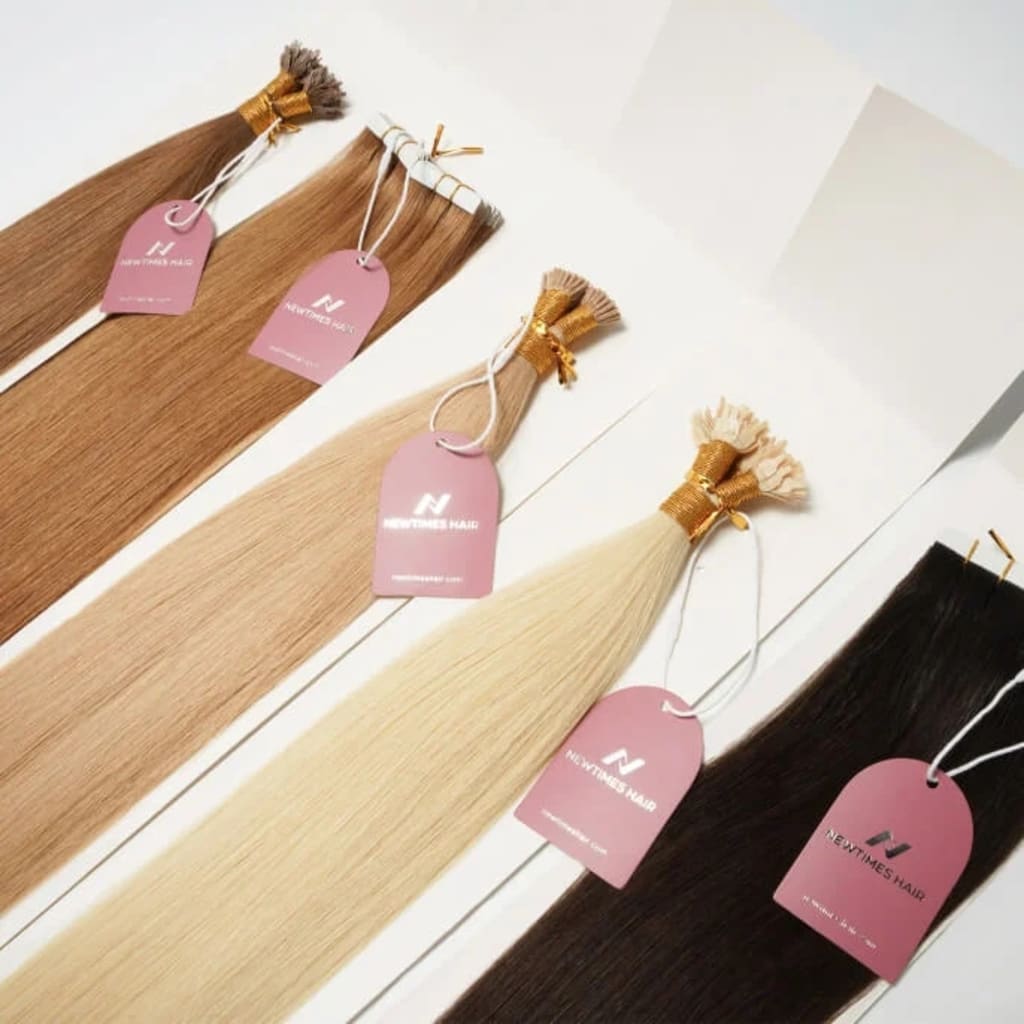
best UK hair extension supplier
Finding the best UK hair extension supplier in 2026 takes more than just chasing a good price. Today’s leading partners focus on ethically sourced, 100% Human Hair that offers professional-level consistency. That basic standard of quality brings us to the key factors every salon owner needs to weigh before picking a partner.
Key Takeaways
- **Prioritize intact Remy hair:** Choose 100% Remy human hair to guarantee long-lasting, tangle-free extensions that survive repeated washing.
- **Verify ethical sourcing:** Demand traceable supply chains and fair donor pay to ensure premium structural quality and meet client expectations.
- **Maximize profit margins:** Use factory-direct trade accounts to bypass middleman markups, unlocking discounts up to 40% and flexible minimum orders.
- **Match methods to hair density:** Safely install tape-ins for fine hair or nano tips for movement, and enforce strict sulfate-free aftercare.
- **Expand your clientele:** Partner with suppliers offering fast UK delivery, easy color exchanges, and inclusive 3C-4C textures.
The 2026 Audit: How to Choose a High-Quality Hair Extension Supplier
You can’t build a reputable salon on inconsistent products. When evaluating UK Hair Extension Brands, you need a strict decision matrix that cuts through clever marketing and focuses purely on technical specs. Real quality signals—like ethical sourcing standards and trade discount structures—shape your long-term profit margins and client retention. Working with a reliable partner like New Times Hair means looking beyond the packaging and examining the product itself. To judge quality properly, start with the raw materials these suppliers use.
Understanding Remy Human Hair vs. Standard Grades
Not all human hair performs the same in a client’s day-to-day life. Remy Human Hair stands out because the cuticles stay intact and run in one direction from root to tip. Standard grades usually strip this protective layer, which leads to heavy tangling and a dull look after only a few washes.
For salon owners, cuticle retention isn’t optional. It makes sure the extensions wash, style, and wear just like the client’s natural hair. That structural strength directly affects how long the product lasts, which helps justify the higher upfront cost when you’re planning your service menu.
Brands like New Times Hair focus on keeping this structure intact, so your clients get months of smooth, consistent wear. That kind of reliability cuts down on expensive redo appointments and builds real trust. Once you’ve confirmed material quality, the next step is looking at where the hair comes from.
The Rise of Russian Slavic Hair in the Luxury Market
Why do high-paying clients specifically request Russian Slavic Hair? It comes down to its ultra-fine texture and naturally lighter shades. While standard Remy works well for most clients, this premium type needs far less chemical processing to reach platinum blondes or ash tones.
Less processing keeps the hair soft and natural to the touch. Independent stylists often see a noticeable jump in revenue when they offer this premium option, even with the higher starting cost. Your trade discounts on these top-tier lines will shape your final profit margin.
Suppliers like New Times Hair understand that high-end salons need access to these rare textures without hurting their margins. Offering this specific grade immediately sets your service menu apart from local competitors. High-end materials still need proper ethical verification.
The Ethical Imperative: Why Sourcing Matters in 2026
Clients today are asking tougher questions about where their extensions come from. You can’t afford to guess. The demand for sustainable and ethically sourced hair has moved from a niche trend to a basic expectation.
Just sticking a green label on a package doesn’t work anymore. UK salons need real proof through traceable supply chains. Knowing exactly how the materials are collected protects your salon’s reputation and helps keep product quality consistent.
That level of transparency also affects how the extensions perform once installed. Ethical sourcing plays a big role in how the hair holds up during the "Wash Test."
What Does "Ethically Sourced" Actually Mean for UK Salons?
"Ethical" isn’t just a marketing buzzword. It needs a clear, verifiable process behind it. When you’re checking out suppliers of sustainable hair, you need a strict checklist before opening a trade account.
First, confirm direct donor consent. Women should willingly sell their hair and fully understand how it’ll be used. Second, check for fair pay. The supplier needs to pay donors at a premium local rate, not take advantage of poorer communities.
Following these steps helps ensure you’re actually getting ethically sourced Remy human hair, not mixed, black-market floor sweepings. Hair collected from brushes usually has heavy cuticle damage. Properly gathered ponytails, on the other hand, keep their structure intact. That’s why ethically sourced hair often lasts longer during maintenance.
New Times Hair: Balancing Sustainability with Professional Performance
Finding a supplier that cares about both ethics and profit used to be really tough. Some eco-friendly brands charge huge premiums that eat into your salon’s profits. Others offer solid trade discounts but ignore their supply chain completely.
New Times Hair sits right in the middle. They offer Professional Hair Extensions that meet strict ethical sourcing standards without pushing up wholesale prices. By keeping their process transparent, they make sure the raw materials are handled properly from the start.
This careful sourcing means the extensions can handle heavy salon treatments and everyday heat styling. You get the ethical confidence your clients expect, along with pricing that actually works for a growing business. In the end, performance shows up in how the hair holds up day to day.
The "Wash Test" Data: Longevity and Luster Retention
Getting the maximum lifespan out of hair extensions really comes down to how well they handle repeated washing. We simulated how leading UK brands perform over time, tracking both shine retention and structural strength. After 10 washes, nearly all premium ethically sourced brands still hold about 95% of their original shine. At 20 washes, the difference becomes clearer. Standard suppliers fall to around 70% luster, while New Times Hair holds a strong 88%. By 30 washes, lower-quality options start to feel brittle and need heavy serum use. High-quality Remy hair, on the other hand, handles this stage with ease. But raw hair quality isn’t the whole story. In the end, longevity is closely tied to the specific application method used.
Identifying the Best Hair Extensions for Damage-Free Transformations
Clients want dramatic length without putting their natural hair at risk. Delivering that kind of result means picking the right installation method based on their hair density.
Tape-in extensions spread weight evenly across a wider section of hair. That makes them a safe choice for clients with fine hair, since the adhesive sits flat against the scalp without adding tension. But if they’re removed the wrong way without the proper solvent, breakage can happen.
For clients who want maximum movement, the Nano Tip method works extremely well. These tiny metal beads are 90% smaller than traditional micro rings, so they put very little strain on the root. They let the hair move naturally, which helps reduce friction while sleeping. However, they’re not the best fit for very oily scalps, since the beads can slip.
Both methods protect natural hair when they’re installed properly by a certified stylist. And of course, each method calls for its own set of professional tools.
Maintaining Hair Extensions to Ensure a Long Lifespan
Even the best installation loses its value fast if the client ignores their daily routine. Giving your client a clear, strict aftercare plan is the most reliable way to protect both their investment and your salon’s reputation.
Clients should replace their usual drugstore products right away. Extensions don’t get natural oils from the scalp, so a deep moisture shampoo is essential. Sulfates can strip the cuticle, so it’s best to recommend washing no more than twice a week with sulfate-free formulas.
Heat styling can quickly damage even high-quality hair. Before using a blow dryer or curling wand, clients need to apply a solid layer of heat protection spray. This creates a barrier that locks in moisture and helps stop the ends from snapping.
Lastly, using a proper extension brush helps prevent serious matting at the roots. Good maintenance also means fewer expensive re-fittings over time.
Professional Trade Accounts: Maximizing Your Salon Profitability
Running a successful salon means balancing great results with tight profit margins. Paying retail prices for premium ethically sourced hair can quickly eat into your budget. That’s exactly why securing an exclusive trade account changes the financial game for salon professionals.
These B2B accounts unlock solid trade discounts right away, lowering your upfront price per bundle and boosting your service margin. A typical stylist might save 15% to 30% per order just by verifying their business credentials. Even better, many suppliers offer ongoing trade rewards that bring your long-term costs down as your order volume grows. Now let’s compare the top suppliers offering these professional perks.
Comparing New Times Hair Trade Benefits vs. UK Competitors
Finding true wholesale human hair extensions that are genuinely ethically sourced can be frustrating. Local UK suppliers often mark up prices heavily to cover their own overhead. In contrast, factory-direct options like New Times Hair cut out that middleman markup entirely.
When you compare standard UK trade accounts with direct manufacturers, the price gap is hard to ignore. A local distributor might offer around a 15% discount on bulk orders. Direct suppliers often deliver savings closer to 40% for the exact same Remy quality.
Bulk ordering perks vary quite a bit too. Competitors usually require a large upfront spend to unlock their best pricing. New Times Hair offers flexible minimum order quantities, making it far easier for independent stylists to grow without taking big risks. Logistics often end up deciding which supplier a salon sticks with long-term.
Logistics and Support: Fast UK Delivery and Color Matching
Client bookings can shift quickly, which means shipping speed directly affects your salon’s revenue. Fast UK delivery isn’t optional when handling last-minute client requests. Slow shipping can easily cost you valuable appointments.
Good suppliers act as a reliable safety net for stylists. Even with a professional colour ring, differences in salon lighting can lead to slight mismatches. That’s why working with a brand that offers a free colour exchange policy really matters.
Instead of being stuck with unusable stock, you can easily swap the hair to match your client’s shade. This protects your upfront spend and helps ensure a seamless blend. Texture variety is the final piece of the supplier puzzle.
Texture Inclusivity: Beyond European Straight Hair
Getting ethically sourced straight hair is fairly easy, but the UK market still falls short when it comes to real texture inclusivity. Salons regularly lose clients when they can't properly match 3C-4C hair types. Carrying a full range of textures—from loose waves to tight kinky coily extensions—sets your business apart right away.
A lot of UK suppliers depend on harsh chemical perms to imitate these textures on low-quality hair. That damages the strands before they even reach your chair. Working with a factory-direct brand like New Times Hair means those curly extensions stay intact, sustainable, and affordable. Offering a wide mix of textures covers the best options for different salon needs, starting with clients who just want something temporary.
Best Clip-In Hair Extensions for Thin Hair and Quick Volume
Not every client is ready to commit to a permanent install. Many people with fine hair just want a bit of volume for a weekend event without putting stress on their natural roots.
For these retail clients, stocking the best clip-in hair extensions for thin hair gives you an easy upsell. Traditional wefts can feel bulky and tug on delicate strands. Seamless silicone-backed clip-ins sit flat against the scalp, making them almost impossible to spot, even with thin hair coverage.
Some clients would rather skip clips entirely. An invisible wire extension rests lightly on the crown and spreads the weight evenly. Both options let clients change up their look safely while keeping the upfront cost low. Temporary volume works well, but real transformations come from the techniques used by top professionals.
Professional Methods Celebrities Prefer for Natural Results
A-listers and royalty don’t usually depend on temporary retail pieces for red-carpet moments. They want flawless, long-lasting results that hold up under intense camera flashes.
When it comes to professional hair extension methods, keratin bonds and tiny nano rings are still top picks for high-profile clients. These strand-by-strand techniques let the hair move naturally. Clients can tie it up or part it however they like while keeping natural-looking hair extensions with no visible tracks.
These methods need precise application, so ethically sourced hair is a must. Lower-quality hair tangles at the root and ruins the effect. Stocking premium, sustainable hair from New Times Hair helps you deliver a celebrity-level finish while keeping your margins healthy. That leads us into the final summary of our 2026 supplier audit.
Frequently Asked Questions about UK Hair Suppliers
Where does Kate Middleton get her hair extensions?
Total secret. Royals don't drop supplier names. Rumors point to top-tier London salons using bespoke Slavic hair. Don't chase celebrity rumors, just buy double-drawn Remy.
How much do real hair extensions cost in the UK?
Varies wildly. Expect £150 to £500 for the raw hair alone. Add salon fitting and you are looking at £300 to £1,000. Cheap hair is cheap for a reason.
Which UK suppliers offer trade discounts for salon professionals?
Most legit ones do. Factory-direct brands like New Times Hair skip the middleman. You can unlock up to 40% off retail. Apply for a trade account using your salon credentials.
How do I get a professional hair extension colour match online?
Buy a physical color ring. Photos lie. Screen brightness distorts shades. If you must do it online, send photos taken in natural daylight with zero filters. Physical rings stop costly returns.
About the Creator
Leo
Passionate men's hairstylist with a keen eye for detail and a knack for creating on-trend looks. Dedicated to delivering hair restoration education that enhances individual style.
Enjoyed the story? Support the Creator.
Subscribe for free to receive all their stories in your feed.
Comments
There are no comments for this story
Be the first to respond and start the conversation.