
Are Hair Systems Detectable? How Choosing the Right Hair Density Changes Everything
Choosing the Best Hair System

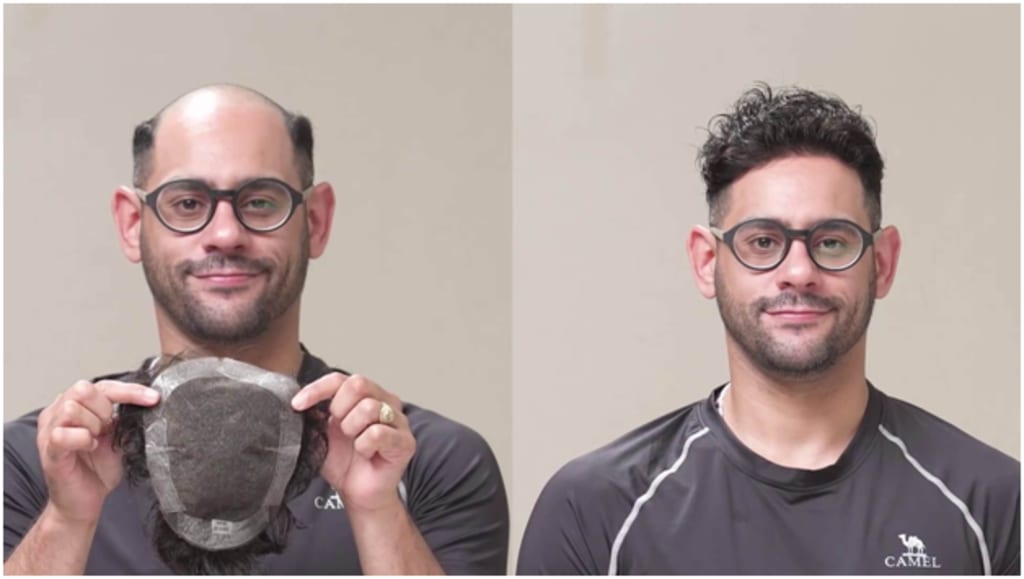
Are Hair Systems Detectable? How Choosing the Right Hair Density Changes Everything
Hair system detectability really comes down to one thing: does it look like your own growing hair from a normal distance? If it has a natural appearance, the system stays totally undetectable—even right at the hairline. Hair density plays a huge part here. It's what shapes how light hits the front edge. Get the density wrong, and the risk of someone noticing goes up. Simple. So what actually controls that realism?
Key Takeaways
- Match density to your age; men over 40 should target 70–90% volume to avoid an unnaturally thick appearance.
- Request a transitional hairline with lighter density (60–80%) at the very front that gradually thickens for realism.
- Prevent the "hat effect" by matching the system's thickness and texture directly to your natural temple hair.
- Pair your density with the right base: choose breathable lace for heavier volume or skin bases for lighter fronts.
- Wash a new system two or three times to flatten the temporary post-installation "poof" and help the hair settle.
The Science of Invisibility: Why Density is the Deciding Factor
Hair density literally controls if a toupee blends right in or sticks out like a sore thumb. Too much volume right at the front blocks the light. That makes your hairline look solid and super obvious. Too little? It just looks thin in all the wrong spots. The real goal is balance. You want to match how real hair actually grows and fades around the scalp. That balance is what pulls off a natural look, especially if you're doing a DIY install where tiny mistakes show up fast. To get it right, you've got to understand exactly how density gets measured.
Understanding Density Percentages: From 60% to 160%
Density percentages just describe how full the hair looks next to natural growth. Close to 60% is light density. You see more scalp, kind of like a mature or thinning hairline. The 80–100% mark sits right in the medium range, and that fits most adult guys perfectly. Anything 120% and up pushes into medium-heavy and heavy territory. Here, the volume shoots up and you can barely see the scalp.
Bigger numbers don't guarantee better results. They really just mean packing more strands into the exact same space. When it comes to a toupee—especially right at the hairline—medium or even slightly lighter densities usually look way more realistic. These numbers only make sense when you stack them up against real human growth patterns.
The "Scalp Transparency Test": Why Seeing Skin is a Good Thing
A normal hairline always lets some scalp peek through. Real hair grows with random spacing, not like a solid brick wall. When light hits it, tiny gaps between the strands let your skin show. That's exactly what your eyes register as real.
If your toupee blocks out the skin completely, the volume is just way too high. Usually, that sits above 110% right at the front. A much safer target is a density that copies about 80–100 hair strands per square centimeter close to the hairline. That gives you soft transitions instead of harsh, sharp edges.
So, this brings up the very first rule you actually need to care about. Your density has to match your age and real-world hair patterns. Simple.
The Age-Appropriate Rule: Matching Your Decade to Your Density
Hair doesn’t stay the same from 25 to 55. Your Lordhair (https://www.lordhair.com/) system shouldn’t either. Older guys naturally lose density at the front and crown, while younger guys keep fuller, tighter hair patterns. If your piece ignores that shift, it stands out fast. The goal is to copy how real thinning happens: gradual, uneven, and softer at the edges. That’s where most first-time wearers slip up. They make density mistakes right at the front.
Why 120% Density is a "Dead Giveaway" for Men Over 40
Putting high-density hair on an older face looks fake instantly. A 45-year-old wearing a 120% hair system looks off. Why? Because real hair patterns just don’t hold that much fullness at the front anymore. People catch that mismatch right away, even if they can’t quite put their finger on what's wrong.
That’s the uncanny effect. It's simply too perfect to be believable. Getting an undetectable look comes from restraint instead of pure volume. Most men over 40 land closer to 70–90% at the hairline. So the right fix isn’t adding more hair. It’s shaping things smarter, starting with a softer, graduated front.
Creating a Natural Transitional Density at the Hairline
A realistic hairline always fades in. It never starts out thick. Transitional density means using lighter hair—usually around 60–80%—in the first 0.5 to 1 cm, then slowly increasing the thickness right behind it. That copies exactly how real hair follicles space out near the scalp.
If you do it yourself, you can trim or thin the front a bit, but your control is pretty limited. A hair replacement specialist can actually build this gradient directly into the unit. That saves you from guessing and cuts down the risk of damaging the piece.
And that soft front edge does more than just look right. It sets up exactly how your sides and temples need to blend naturally.
The "Side-Match" Test: Blending with Your Bio-Hair
A natural front hairline fails fast if the sides don't match up. This is where the “side-match” test comes in. It simply checks if your hair system topper actually blends with your real hair right above the ears. That's usually where density mistakes are the easiest to spot. You're not guessing. You're just comparing real hair texture and thickness so the system doesn't sit like an obvious separate layer. So, start by measuring what you already have.
How to Pinch and Compare Your Temple Hair Density
Grab a small piece of hair just above your temple and pinch it between two fingers. That thickness gives you a solid baseline. Now compare it straight to the sample or spec of your system. Just focus on the actual hair strands per square centimeter.
If the system looks way fuller than what you're holding, it's going to separate visually. And that's exactly how the dreaded “hat” effect starts. A good personalized hair profile keeps both of these areas consistent.
Make sure to match the texture, too. Straight, wavy, or coarse hair needs to line up perfectly, or the whole blend breaks down. Once you know your numbers, you're ready to check out brands that can actually build to that exact spec.
Finding Your Perfect Match with Lordhair’s Custom Density Options
Lordhair fixes this issue directly by offering stock units alongside full custom order options with totally adjustable density. You can easily request lighter sides—maybe around 70–80%—while keeping a bit more volume right on top.
Having that kind of control stops the heavy “roadkill” look where the hair system totally overwhelms your natural sides. It also keeps the overall transition from the temple right to the hairline nice and smooth, rather than abrupt. Simple.
Stock units work great if your hair density is pretty average. But if your sides are running thin, going with a custom density really matters. This is where fine-tuning actually pays off big time. And it leads straight into fixing the absolute biggest giveaway: that awkward “new system” look.
The "First 2 Weeks" Factor: Why New Systems Look Different
A fresh non-surgical hair system usually looks a bit fuller than you'd expect for the first 10 to 14 days. That's completely normal. The hair volume and pattern are set at the factory, but they haven't settled into your routine yet. Trapped air and production styling lift the strands a bit. This is what creates that dreaded "poof" effect. The good news? It softens up fast once you start wearing and washing it. That settling process kicks off based on how the hair acts right after you put it on.
Managing Post-Installation "Poof" and Settling Time
New density often looks heavier just because the hair hasn't molded to your head shape yet. The strands sit upright right out of the box, making the hair system seem way thicker than it actually is.
A good wash helps reset things. After two or three gentle washes, the hair relaxes, sits flatter, and starts blending with your natural look. Wearing it every day also trains the hair's direction.
Heat styling can speed this whole process up, but keep it under control. Too much heat will damage the system early on. And once the density looks right, you'll need to figure out what's holding it all together underneath.
Does My Hair Density Affect the Base Material I Choose?
Yes, density and base materials go hand in hand. Heavier hair needs a much stronger foundation, especially in full caps or larger hair replacement systems.
Lace bases handle high density pretty well because they spread the weight out and let your scalp breathe. Skin bases look more natural right at the front hairline, but they can wear out faster if you pack them with a lot of volume.
Pick dense hair for a fragile base, and your durability takes a hit. Go too light on a heavy-duty base, and it might just look flat. Simple.
So the goal here is balance. You want a natural look on top and a solid structure underneath. Finding that sweet spot sets up the final step: making the whole system undetectable out in the real world.
Expert Tips for Maintaining an Undetectable Lordhair System
Keeping a Lordhair system looking real over the long haul comes down to simple, everyday habits. Most density issues aren't factory defects. They actually build up from normal wear, styling, and skipping basic upkeep. Focus on control instead of constant fixes. A bit of light thinning, careful styling, and proper washing keeps the front hairline soft and believable. Simple as that. If you're not sure where to begin, just do a quick mirror audit using the checklist below.
The "Density Self-Check" Checklist for Beginners
A believable look always starts right at the hairline. Stand under a bright light and see if the front edge looks too thick or overly straight. If it does, lightly trim or taper it. But never cut straight across.
Then, run your fingers right through the top. If the hair feels bulky, just take out small amounts with thinning scissors. Take it slow. Going too far with this will make the hair system look patchy.
Check the shine and direction next. Hair that sits too stiff or looks super glossy stands out instantly. Just a tiny bit of leave-in conditioner helps it move naturally.
If things still seem slightly off, a hair replacement specialist can help guide your next customization. After that, you're good to handle the routine maintenance yourself. Now, let's dive into some common questions people usually ask.
Frequently Asked Questions About Hair System Detectability
How can you tell if someone is wearing a hair system?
The hairline gives it away. Solid walls of hair at the front look fake. Natural hair is sparse at the edge and thickens up. If the top doesn't match the side temple density, you get the dreaded hat effect.
Which is better, 150 density vs 180?
Neither. Both are way too thick for the average guy. Unless you are twenty with a massive mane, 150 or 180 looks like a helmet. Men over 40 need 70-90% volume for it to look real.
Does hair density vary by race or hair type?
Absolutely. Asian hair is thicker per strand but grows less dense. Caucasian hair is finer but packed tighter. You have to match your specific ethnicity and side hair. Otherwise the texture clash is obvious.
Can I change my density after I receive my hair system?
Only downwards. A stylist can thin out a heavy unit with shears. You cannot add hair back if it is too light. Order exactly what you need or slightly heavier if you plan to customize.
About the Creator
Leo
Passionate men's hairstylist with a keen eye for detail and a knack for creating on-trend looks. Dedicated to delivering hair restoration education that enhances individual style.
Enjoyed the story? Support the Creator.
Subscribe for free to receive all their stories in your feed.
Comments
There are no comments for this story
Be the first to respond and start the conversation.