
Advanced Hair System Detangling Products and Tips for Long-Term Maintenance
Advanced Hair System Detangling: Products & Tips

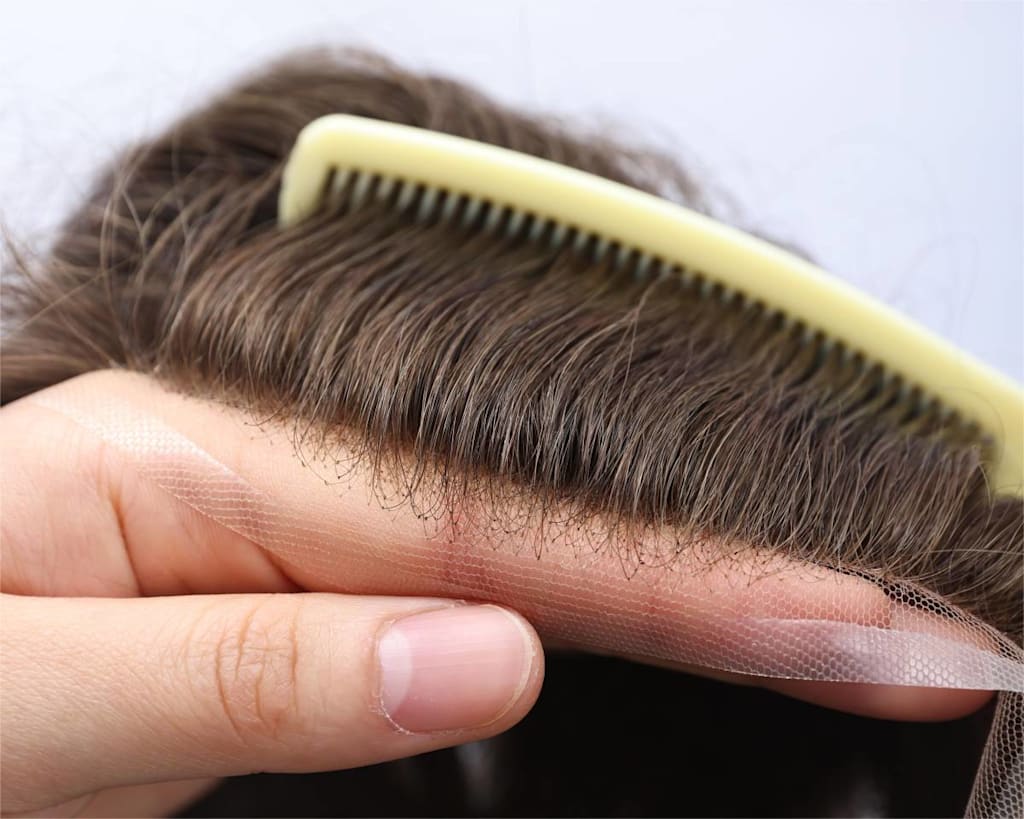
Advanced Hair System Detangling Products and Tips for Long-Term Maintenance
Taking care of your hair system starts with seeing tangles for what they really are: a deep structural issue, rather than just a quick surface problem. Unlike natural hair, these strands aren't alive. They can't just fix themselves after too much friction or drying out. That's exactly why you need specific tools and methods to gently detangle without causing permanent damage. Getting a handle on why these knots form leads right into why human and synthetic systems handle wear differently.
Key Takeaways
- Use loop brushes on lace bases and wide-tooth carbon combs to minimize snagging and static.
- Apply silicone-based serums to lubricate synthetic fibers, or hydrating leave-in mists for human hair systems.
- Detangle from the bottom up, holding the roots firmly to prevent base tension and shedding.
- Prevent nighttime friction by sleeping on a silk pillowcase and securing hair in a loose braid.
- Rescue severely matted systems with a 20-minute lukewarm soak in silicone conditioner before finger-detangling.
- Choose poly skin bases over monofilament for easier maintenance, as they keep hair anchored in a fixed direction.
The Science of Friction: Why Hair Systems Tangle Differently
Hair units and non-surgical hair replacements tangle faster because they're missing natural sebum and their cuticles are altered. Normally, sebum coats the hair. This lowers friction and helps strands glide right past each other. Hair systems just don't get that protection. Plus, manufacturing processing roughens up the cuticle. As a result, strands catch and knot up during normal daily movement. All that extra drag builds up fast, especially at the nape and crown. This leads right into how different materials handle pulling and tension.
Human Hair vs. Synthetic Fiber Friction
A human hair toupee acts a lot closer to natural growing hair. But it still tangles more because of lost oils and factory processing. These strands can handle mild tension. Still, repeated pulling stretches and weakens them over time. Simple as that.
A synthetic hairpiece acts totally differently. The fibers hold a fixed shape and have higher surface resistance, meaning friction builds up faster and knots lock in quick. Brush it too hard, and you might cause permanent kinks. These material quirks dictate exactly how you should deal with tension. They also point straight to the tools you'll need next.
The Role of Cuticle Alignment in Longevity
Cuticle direction directly impacts durability and lifespan. Remy hair keeps every single cuticle pointing the same way. This means strands glide smoothly and fight off matting while you go about your day.
Non-Remy hair mixes up those directions. That creates way more friction points where strands snag and lock together. This speeds up tangling and completely cuts down the system's lifespan. Picking aligned cuticles is a smart move to make your piece last longer. And it perfectly sets up why using the right detangling tools is so huge.
The Advanced Toolkit: Essential Detangling Hardware
Normal combs just pull way too hard on fragile bases. Loop brushes and wide-tooth combs spread out the tension, letting strands slide instead of snapping off. This is a big deal for synthetic fibers, which tend to lock into shape, and for processed human hair that's missing its natural oils. Pick the right tools for your specific base and fiber type, or you'll wear it out fast. Simple as that. Start with loop brushes made specifically for lace.
Why Loop Brushes are Non-Negotiable for Lace Bases
These brushes just glide right over Swiss and French lace without getting caught. Because the bristles end in closed loops, they completely skip over the tiny holes in lace fronts. You won't end up snagging knots or ripping out hairs by accident.
This kind of protection is huge for synthetic units. One bad pull can leave a permanent kink. Human hair can take a bit more abuse, but snagging it over and over will definitely loosen the knots. Skin bases respond to completely different tools, which brings us right to comb choice.
Wide-Tooth Combs and Static Management
A solid wide-tooth comb cuts down on tugging by spacing out the tension. If you grab a carbon-fiber version, it really helps keep static under control. And we all know static is a massive headache for synthetic hair.
Getting a handle on static makes daily touch-ups so much easier. Just stick to light, downward strokes to keep everything lined up perfectly. But tools alone can't completely fix friction. You're going to need some liquid support as your next step.
The Product Matrix: Choosing the Right Detangler for Your Lordhair System
Tools reduce pulling. But friction still builds up fast on both synthetic and human units. That's where the right hair system maintenance products come in. Lordhair users usually choose between two main detangler types, and each is built for a totally different job. Picking the right one really just depends on how often you style and how dry your system feels. Here's a look at the core choice.
Silicone-Based Serums vs. Leave-In Mists
Silicone-based detanglers act like a lubricant layer. They coat the strands, cut down on drag, and quickly boost softness and shine. This works best for synthetic fibers since they can't absorb hydration. Simple.
Leave-in mists focus on light hydration instead. They add moisture without weighing your hair down. This easily suits human hair systems for daily use. Most wearers actually keep both on hand—a serum for tough knots, and a mist for regular upkeep. Let's look at what's inside the bottle.
Ingredient Spotlight: What to Look for in a Detangling Spray
Dimethicone is the main slip agent. It forms a smooth surface so strands glide right past each other instead of snagging. And keratin proteins help reinforce human hair systems, slowly improving their overall structure over time.
Sulfate-free formulas matter way more than people think. They stop dryness in its tracks, especially on processed hair. Lordhair products naturally balance slip and care. That's what keeps systems manageable for much longer. Now that you know what to grab, the next step is actually applying it right.
The "Bottom-Up" Methodology: Professional Detangling Technique
Stopping shedding is about how you move your hands, not just the products you buy. The bottom-up trick keeps tension away from the knots and protects the base during routine hair system maintenance. You'll always want to start at the ends, then slowly work your way up in small sections. This takes the pressure off both synthetic fibers and real human hair. First things first: you have to control how you hold the hair.
Sectioning and Tension Control
Grab the base firmly near the roots before you even think about detangling. This keeps stress from pulling directly on the knots or loosening up your adhesive—especially if there's old residue lightly sitting around. Stick to one- or two-inch sections.
Start brushing right at the tips and slowly move up. Synthetic hair needs a softer touch because it just doesn't bend as easily, but human hair can take a little bit more pressure. If you pull too hard, you'll simply ruin the hair's structure over time. The most fragile spot? That's right at the nape of the neck.
The Nape Area Protocol: Stopping the "Friction Nest"
The back of the neck tangles the fastest thanks to sweat, shirt collars, and everyday movement. Make sure to check this area daily. Just give it a light mist, then use your fingers to gently pull the strands apart before grabbing a brush.
Keep your brush strokes short and point them downward so you don't accidentally lift the edges. Clean off buildup regularly to keep your scalp fresh and cut down on rubbing. Synthetic systems tend to knot up tighter in this spot, while human hair usually mats up when it gets too dry. Get a handle on this specific zone, and your daily routine gets a whole lot easier.
Preventative Maintenance: The Friction Shield Strategy
Tangles start way before you actually spot them. How long your hair lasts comes down to daily habits, not last-minute rescue jobs. Small tweaks—like how you sleep, move, and deal with moisture—stop friction right at the source. Synthetic fibers knot up fast from static, while human hair mats the second it dries out. Get a handle on both early, and you'll spend way less time dealing with knots later. The biggest risk window? Nighttime.
Nighttime Care: Silk Pillowcases and Braiding
Silk cuts down on friction just by being strictly smooth. Strands glide right over it instead of catching and pulling. This protects the outer layer on human hair while keeping static in check for synthetic pieces. Keeping that lasting softness starts right here.
A loose braid or a low ponytail keeps everything neatly lined up while you sleep. Skip the tight styles, though—they put way too much stress on the base. A good bedtime routine for your lordhair system makes your mornings an absolute breeze, prepping you to handle plenty of movement during the day.
Exercise and Sweat Management for Tangle Prevention
Sweating hard adds salt and moisture into the mix. This roughs up the fibers and makes them clump together fast. Synthetic hair gets stiff, and human hair dries out unevenly. Breathability is a huge deal.
Give it a quick rinse or a light wash after a workout, then just let the system air dry. Always pat it dry instead of rubbing. Staying on top of everyday buildup keeps deep mats from forming. Simple. It completely saves you from aggressively ripping through knots later on.
The 911 Matting Rescue: Saving a Severely Tangled System
Severely matted hair isn't an automatic death sentence for your system. With the right deep conditioning trick, you can bring stiff, tangled fibers back to life—at least enough to wear it again. This works best if dryness and friction caused the mess, rather than actual structural breakage. You'll want to start with a controlled soak, then carefully work through the knots. The exact steps matter, so start with the silicone deep-soak method.
The Silicone Deep-Soak Method
Brittle hair and a dull look are clear signs your fibers need moisture, not brute force. Fill a bowl with lukewarm water and mix in a silicone-based conditioner. Professional grade works best here. Soak the system and let it sit for 20 to 30 minutes.
Gently finger-detangle the hair while it's still underwater. Always start from the ends and work your way up in small sections. Don't yank or pull. Simple as that.
Rinse it lightly, and then apply a leave-in conditioner. Let it air dry on a stand. Synthetic fibers usually bounce back faster, but human hair might need a second round. How smooth this whole process goes usually depends on the base material.
When to Call It: Recognizing Permanent Fiber Damage
Certain wear and tear just can't be fixed. If the strands snap when you stretch them or stay rough even after a deep condition, the lifespan is probably up.
Keep an eye out for split ends, dull patches that won't recover, or constant re-matting right after you detangle. Those are big signs the internal structure is completely shot.
At this point, trying to repair it will only make it shed more. Picking a tougher base next time around can really cut down on how often you end up at this stage.
Choosing Lordhair Bases for Easier Detangling and Durability
The base material you choose dictates how often you battle knots and the effort it takes to detangle them. Some bases let the hair move freely. That naturally causes more friction and matting. But other types keep the strands aligned, which really cuts down on your daily upkeep. If you want fewer rescue sessions and less shedding, this choice matters right from day one. Just look at how Mono and skin bases act when you brush them.
Monofilament vs. Poly Skin: Which Tangles Less?
Poly skin hair system designs keep the hair anchored in a flat, fixed direction. That literally limits crossover between the strands. Because of this, tangles form much slower and brushing just feels smoother. For beginners, it usually means easy maintenance with way fewer passes needed.
Monofilament hair systems give you more natural movement. It definitely looks realistic. But that extra freedom lets the strands twist up and catch, especially right after you wake up or finish a workout. You're going to detangle more often, and you'll need a gentler touch. That trade-off leads straight into how knotting actually affects shedding.
The Impact of Knotting Techniques on Shedding During Detangling
V-looping skips knots completely. So, the hair just sits flat and detangles fast. But here's the thing. Without those knots, strands can slip out faster when pulled, especially if you brush a bit too hard.
Bleached knots on lace or Mono bases look really natural and hold up better during daily detangling. They can handle repeated combing with way less shedding, provided you use light pressure and always start from the ends. Bottom line: stronger knotting means less long-term maintenance hassle.
Conclusion: The Math of Maintenance
A hair system's lifespan really comes down to simple math. Just 5 minutes of daily care can add months to your wear time. Gentle detangling cuts down on breakage and shedding right away, as long as you start at the ends and use the right brush. Human hair systems do best with light conditioning. But synthetic fibers? They need a softer touch and a lot less friction. Skip those few minutes, and knots build up fast—especially after sleeping or sweating. Stay consistent, and your system keeps its shape, density, and natural look way longer. Plus, you avoid the extra cost of frequent replacements.
Frequently Asked Questions about Hair System Detangling
What is the best product for severely matted hair?
Silicone conditioner. Soak the unit in lukewarm water for exactly 20 minutes before you even touch it. Finger-detangle only. Brushes will just rip the base.
How do you untangle a synthetic hairpiece without damaging it?
Silicone-based serum. Synthetic fibers need pure lubrication, not moisture. Coat the strands heavily, then use a wide-tooth carbon comb working bottom up. Hold the roots tight.
What hair system lasts the longest with proper detangling?
Poly skin bases. They anchor the hair in a fixed direction. This drastically cuts down on crossover friction. Monofilament systems tangle way faster by comparison.
How many months does a poly skin hair system typically last?
3 to 6 months. Ultra-thin skins might only survive 4 weeks. Thicker bases push half a year if you actually detangle gently and sleep on silk.
What are the best daily habits to prevent hair system shedding?
Silk pillowcases and loose braids at night. Friction kills systems. When brushing, always hold the roots down firmly and use a loop brush on lace bases.
About the Creator
Leo
Passionate men's hairstylist with a keen eye for detail and a knack for creating on-trend looks. Dedicated to delivering hair restoration education that enhances individual style.
Enjoyed the story? Support the Creator.
Subscribe for free to receive all their stories in your feed.
Comments
There are no comments for this story
Be the first to respond and start the conversation.