camera
Cameras can be complicated; a breakdown of the latest in camera technologies and photography techniques to help you get the perfect shot.
The evolution of Cameras. AI-Generated.
Camera Obscura (400 BC to Early 1800s): The camera obscura, a dark room with a small aperture, projected inverted images onto surfaces. It was used for drawing and artistic purposes. Ibn al-Haytham, an Arab physicist, made significant contributions to understanding this phenomenon.
By Allwyn Roman Waghela2 years ago in Photography
Finding Your Ideal Photo Album Size
Don’t you feel we enjoy creating good memories? Memories can be cherished when we know they are permanent. There is no efficient way apart from transforming your shots into photo albums. It can be passed on to generations. But the confusion arises while deciding the size of the photo album. It is important to select the size of your photo album. Let us find out about the different photo album book size guide.
By Chirag Parikh2 years ago in Photography
Versatility and Flexibility: The Advantages of Mobile Screening Workstations in Construction
In the ever-changing landscape of construction, the ability to adapt and maintain efficiency is paramount. Mobile screening workstations have become an essential tool, offering unmatched versatility and flexibility to handle a variety of on-site tasks. These advanced systems revolutionize material processing and provide numerous advantages that streamline operations and enhance productivity.
By John Peter12 years ago in Photography
The Role of Scaffolding in High-Rise Construction
High-rise construction presents unique challenges, requiring innovative solutions to ensure the safety, efficiency, and quality of the work. Scaffolding plays a crucial role in these projects, providing the necessary support for workers and materials, facilitating access to different building levels, and ensuring compliance with safety standards.
By Christian Ben2 years ago in Photography
CGI vs. Professional Photography: What's Best for Your Furniture E-Commerce?
If you run an online store, you are familiar with the headache that comes with finding a photographer that can meet your requirements, communicating the brand's tone and style, and other details, and then having product photos taken.
By IkarusDelta2 years ago in Photography
7 Things a Drone Inspection Can Do That Manual Inspection can't
Drone inspections can lead to safer, more efficient, and more cost-effective inspections. Regulatory bodies require regular inspection, which can help prolong the asset life cycle. It can also inspect the impossible areas where hard to reach this is the parts of facilities.
By Georgia powley2 years ago in Photography
Boost Your Business: The Power of Brand Photography
In the modern business landscape, creating a strong visual identity is paramount. Brand photography, a strategic blend of imagery that reflects your business’s values and message, is crucial in establishing this identity. Whether you're a startup or an established business in Tunbridge Wells or Tonbridge, investing in professional brand photography can elevate your brand and drive success. This comprehensive guide explores how brand photography Tonbridge can benefit your business and why it’s a smart investment.
By Richard Pometsey2 years ago in Photography
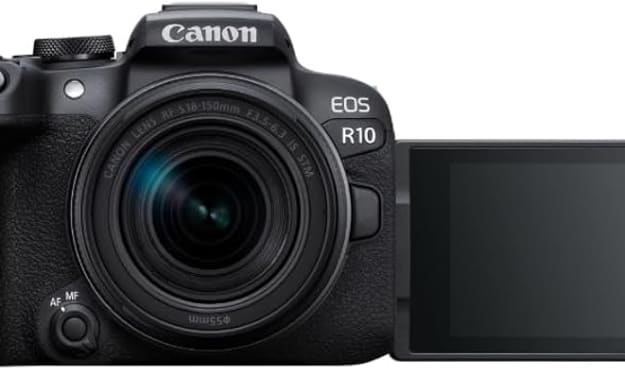
Canon Digital Camera NOW TRENDING Is Essential For Your Success. Read This To Find Out Why.... AI-Generated.
Canon EOS R10 Mirrorless Camera + RF-S 18-150 mm F3.5-6.3 is STM Lens (Hybrid Camera, DSLR Upgrade, 15 B/s, 4K Videos, Dual Pixel CMOS AF II Focus System, WiFi), Black
By MAX MAXWELL2 years ago in Photography
Best Camera to Buy
In today's rapidly evolving world of photography, finding the perfect camera to suit your needs can be challenging, especially with the variety of advanced models available. Two notable options that cater to different types of photographers are the Canon EOS Rebel T7 DSLR Camera with 18-55mm Lens and the Canon EOS R100 RF-S18-45mm F4.5-6.3 is STM Lens Kit Mirrorless Camera. Both cameras offer unique features designed to enhance the photography experience, whether you're a beginner, an intermediate photographer, or a content creator.
By Mike Deeb2 years ago in Photography
Mastering the Art of Photography: Essential Tips
Photography is a blend of science and art, requiring technical know-how and a creative eye. Whether you’re a novice or looking to refine your skills, these tips will help you capture stunning images. 1. Understand Your Equipment Know Your Camera: Whether you're using a DSLR, mirrorless camera, or a smartphone, familiarize yourself with its features. Read the manual, explore the settings, and practice using different modes. Lenses: Different lenses serve various purposes. A wide-angle lens is great for landscapes, while a telephoto lens is ideal for wildlife and sports. Prime lenses, with fixed focal lengths, are often sharper and better in low light. Tripod: A sturdy tripod is essential for low-light conditions, long exposures, and ensuring sharpness in your photos. 2. Master the Basics of Composition Rule of Thirds: Divide your frame into a 3x3 grid. Place the main subject along these lines or at their intersections to create balanced and engaging photos. Leading Lines: Use natural lines to guide the viewer's eye through the image. Roads, rivers, and architectural elements are excellent for this. Framing: Look for natural frames within your scene, like windows, doorways, or trees, to add depth and focus to your subject. Negative Space: Don't be afraid to leave empty space around your subject. It can create a more dramatic and impactful image. Symmetry and Patterns: Symmetry can be visually appealing, and patterns can add interest. Break the pattern with your subject for a striking effect. 3. Lighting is Key Golden Hour: Shoot during the golden hour (just after sunrise or before sunset) for soft, warm light that enhances colors and textures. Avoid Harsh Midday Sun: Midday sunlight can be harsh and create unwanted shadows. If you must shoot during this time, seek shade or use a reflector to diffuse the light. Use Natural Light: When shooting indoors, position your subject near windows to utilize natural light. Experiment with the direction and intensity of the light. Artificial Lighting: For studio photography, learn to use flashes, strobes, and continuous lighting. Softboxes and diffusers help create soft, even lighting. 4. Understand Exposure Aperture: Measured in f-stops, the aperture controls the amount of light entering the camera. A wider aperture (low f-number) creates a shallow depth of field, blurring the background. A narrower aperture (high f-number) keeps more of the scene in focus. Shutter Speed: The duration the camera’s sensor is exposed to light. Faster shutter speeds freeze motion, while slower speeds can create motion blur. Use a tripod for long exposures. ISO: The sensitivity of the camera’s sensor to light. Lower ISO values produce clearer images, while higher values can introduce noise. Adjust ISO according to lighting conditions. Exposure Triangle: Balance aperture, shutter speed, and ISO to achieve the correct exposure. Understand how changing one affects the others. 5. Post-Processing Editing Software: Learn to use editing software like Adobe Lightroom or Photoshop. Basic adjustments like cropping, exposure correction, and color grading can enhance your photos. Don’t Overdo It: Aim for natural-looking edits. Avoid over-saturation and excessive sharpening, as they can detract from the photo’s quality. RAW Files: Shoot in RAW format for maximum flexibility in post-processing. RAW files retain more detail and allow for better adjustments than JPEGs. 6. Practice and Experimentation Shoot Regularly: The more you practice, the better you become. Take your camera everywhere and challenge yourself with different subjects and lighting conditions. Experiment: Try different genres of photography – portrait, landscape, macro, street, etc. Experiment with angles, perspectives, and techniques. Critique and Learn: Join photography communities and forums. Share your work and seek constructive criticism. Learn from others and analyze great photos to understand what makes them stand out. 7. Develop Your Own Style Be Inspired, Not Imitative: While it’s good to draw inspiration from other photographers, develop your unique style. This comes from experimenting and understanding what you enjoy photographing the most. Consistency: Once you find your style, maintain consistency in your work. This helps build a recognizable portfolio. Photography is a journey of continuous learning and creativity. By understanding your equipment, mastering composition, and practicing regularly, you can significantly improve your skills. Remember, the best camera is the one you have with you, so keep shooting and enjoy the process of capturing moments and telling stories through your images.
By COS2 years ago in Photography
5 points to consider while hiring a reliable video editing company
Branding is not as simple as a piece of cake. And so goes for editing professional videos for your business. The reason is that there are a variety of elements related to video editing that many are not aware of.
By SD Edits2 years ago in Photography