

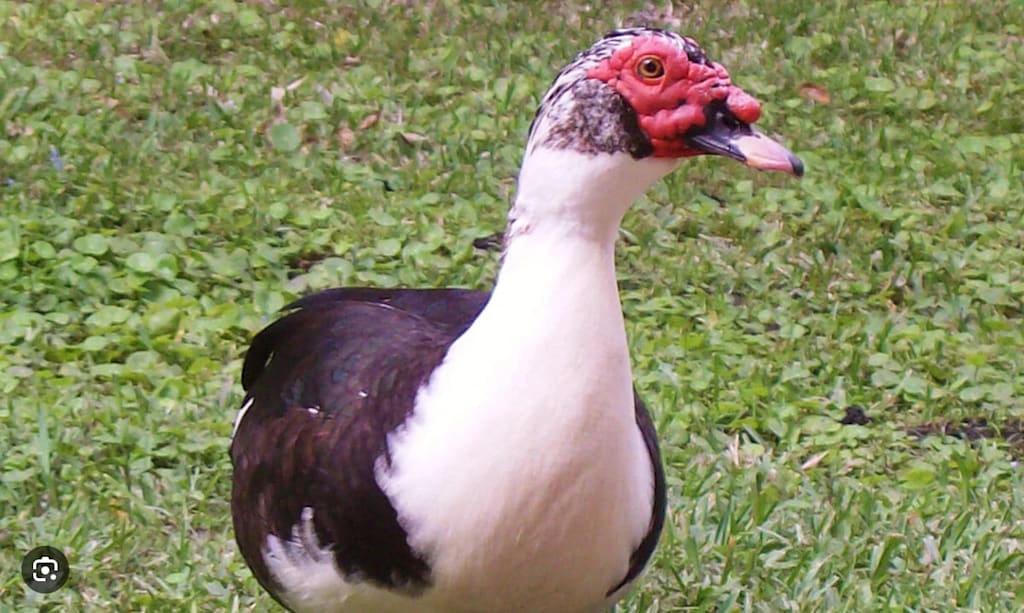
The domesticated Muscovy duck (Cairina moschata domestica) is a large, unique breed from South America, known for its low-fat meat, insect control, and distinct appearance with red facial caruncles, unlike mallard-derived ducks. They are excellent foragers, can perch in trees due to a sharp claw on their feet, and come in many colors, with males being significantly larger than females. They communicate with hisses and body language rather than quacking and are valued as pets, for meat, and for eggs.
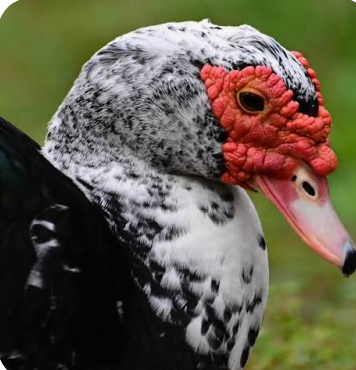
Muscovy’s are the only domestic ducks that are not derived from Mallard stock. Originating from the Caribbean Mosquito Coast of Nicaragua and Honduras where the native culture values them for their meat, Muscovy aren't really ducks, but rather large perching waterfowl (Cairina moschata).
Muscovy ducks are great on the farm to control insects the natural way. They are particularly helpful controlling flies, grasshoppers, ticks and mosquitos. If you put them in a pen with cows or calves they will eat most of the flies. In one experiment where two year old Muscovy ducks were put in cow pens, the fly population was reduced by 80 to 90 percent.
Since Muscovy are genetically dissimilar to other domestic waterfowl, many folks believe that they're more of a goose than a duck. For instance, they eat grass, as do geese, have a similarly long egg incubation period of 35 days (compared with 28 days for ducks), and they don't quack. This is a good trait since they are "quiet" ducks. The male has a low breathy (huffy) greeting, and the female a quiet trilling coo as well as a few other quiet vocalizations. They are neither truly duck or goose, in fact, they belong to a group of waterfowl that like to perch high in trees (Cairininae) similar to the knob-billed duck and the African Pygmy Goose .
The Muscovy Company (1555): A popular theory is that the "Company of Merchant Adventurers to New Lands"—later the Muscovy Company—brought these ducks from the Americas to Europe, leading to them being branded as "Muscovy" birds.Misunderstood Geography: Like the turkey (named after the country Turkey), "Muscovy" may have been a generic, mistaken term used by early explorers to describe an exotic, unknown species from a distant land."Musky" Origin: The scientific name is Cairina moschata (meaning "musky bird from Cairo"). The English name "Muscovy" might be a corruption of the French canard musqué (musky duck), referring to the slight musk odor of the bird.Why They Are Not Actually from RussiaTrue Origin: They are native to Central and South America and Mexico.Indigenous Connection: They were already domesticated by indigenous people in Peru and Paraguay when Spanish explorers arrived.Distinct Species: They are not related to mallards like most domestic ducks; some suggest they are more closely related to geese.
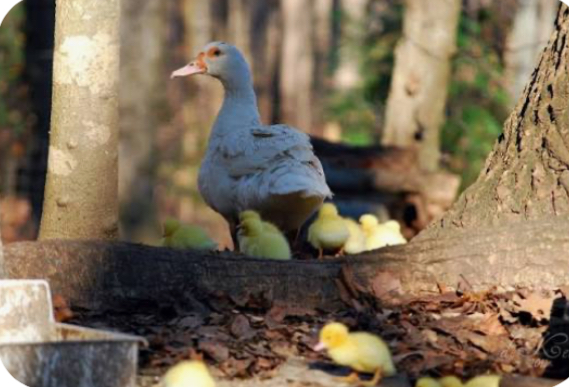
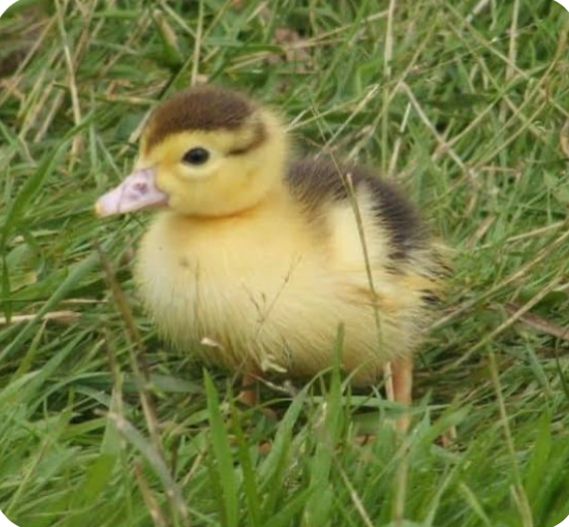
I raise Muscovy ducks on my mini farm in Northern California. About 15 of them. As of last night, I now have 35, as 20 we’re just hatched. And there are still 40 more eggs waiting to hatch!
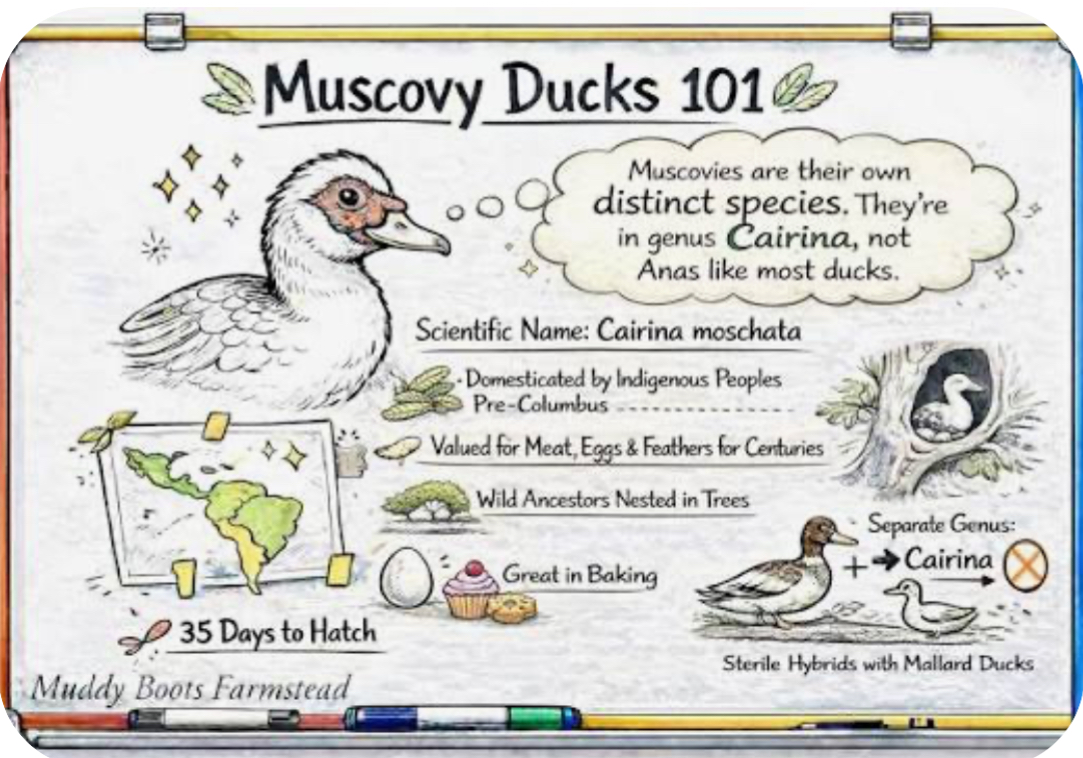
The males are large, weighing up to fifteen pounds, with the smaller females reaching about nine. The Muscovy Duck can be crossed with mallards to create a hybrid known as Mulard, but to be honest, the Muscovy aren't very keen on breeding with Mallard-types. Additionally, the offspring is a mule duck because Muscovy are a different species of waterfowl. This outcross, Mulard, are mostly raised for their meat and they grow fast like mallard-type ducks but much larger like the Muscovy. Interestingly, Muscovy are cross-bred in Israel with Mallards to produce kosher ducks. The kashrut status of the Muscovy Duck has been a matter of rabbinic discussion for over 150 years.
so now you know more about this duck/goose than the average person. They are an excellent addition to your farm or cattle ranch. And they make wonderful farm pets.
About the Creator
Guy lynn
I’m interested in history, space travel and the possibilities, Americana,( where I live now), Africa (Southern Africa, where I was born and raised), and I write about things that interest me ( bead history) and I hope will interest you.
Enjoyed the story? Support the Creator.
Subscribe for free to receive all their stories in your feed.
Comments
There are no comments for this story
Be the first to respond and start the conversation.