vet
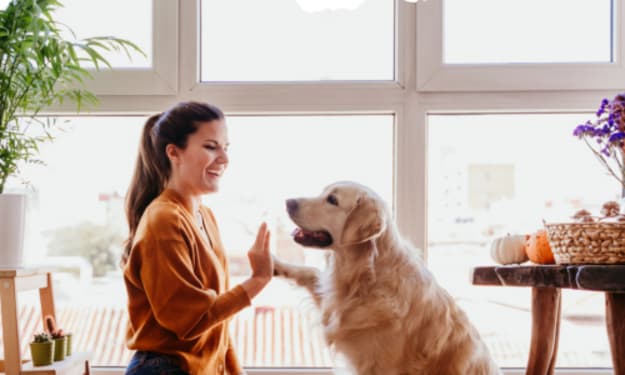
A veterinarian is just a doctor that treats furry, cute patients.
Healthy Dog
As a dog owner, it's important to understand the connection between your dog's health and their diet. A balanced and nutritious diet is essential for maintaining your dog's overall health and well-being. In this blog, we will discuss the importance of dog health and diet, and provide some tips on how to ensure your dog is getting the nutrition they need.
By CarryOnEDC4 years ago in Petlife
Ultimate Guide to Training Your Puppy
Dog training is an essential part of owning a dog. It helps to ensure that your dog is well-behaved, safe, and happy. Proper training can also help you build a strong bond with your dog and make your life together more enjoyable. In this blog, we will discuss some key aspects of dog training and how to get started.
By CarryOnEDC4 years ago in Petlife
Natural Remedies for Common Health issues in Dogs: Holistic Approaches to Canine Health
Dogs are beloved members of our families, and as such, we want to ensure that they stay healthy and happy. Unfortunately, like humans, dogs can experience common health issues such as allergies, arthritis, digestive problems, and skin irritations. While there are many conventional treatments available, some pet owners may prefer to take a more holistic approach to their dog's health.
By Erwin Smith4 years ago in Petlife
10 steps on how to train your puppy!!! 🐶🐶🐶
Bringing home a new puppy can be one of the most exciting experiences of your life. It's an opportunity to welcome a new family member into your home and create a lasting bond with a loyal and loving companion. However, puppies require a lot of attention, care, and training to become well-behaved and obedient pets. In this article, we'll provide you with some essential tips on how to train your puppy. Start with Basic Obedience Training The first step in training your puppy is to establish basic obedience commands such as sit, stay, come, and heel. These commands will form the foundation of your puppy's training, and they will help you to establish a strong bond with your new pet. Start with simple commands like "sit" and "stay," and gradually work your way up to more complex commands. Use Positive Reinforcement When training your puppy, always use positive reinforcement techniques. Positive reinforcement involves rewarding your puppy for good behavior, rather than punishing them for bad behavior. You can use treats, praise, or toys to reward your puppy when they obey a command or exhibit good behavior. Be Consistent Consistency is key when training your puppy. Use the same commands and rewards every time you train your puppy. This will help your puppy to understand what you expect from them and will make training easier and more effective. Use Short Training Sessions Puppies have a short attention span, so it's important to keep training sessions short and sweet. Aim for training sessions of 10-15 minutes, two to three times a day. This will keep your puppy engaged and focused, and they will be more likely to retain what they have learned. Socialize Your Puppy Socialization is an important aspect of puppy training. Socializing your puppy involves exposing them to different people, animals, and environments. This will help them to become more confident and well-adjusted pets. Take your puppy to puppy classes, dog parks, and other social events to help them get used to different situations and experiences. Use a Crate Using a crate can be an effective way to train your puppy. A crate provides a safe and secure environment for your puppy, and it can also help with potty training. Make sure to use a crate that is appropriately sized for your puppy and that you provide them with toys and bedding to keep them comfortable. Potty Train Your Puppy Potty training can be a challenging aspect of puppy training, but it's essential for a happy and healthy home environment. Use positive reinforcement techniques to encourage your puppy to go outside to do their business. Establish a routine for potty breaks and stick to it. It's also essential to supervise your puppy and restrict their access to certain areas of your home until they are fully potty trained. Teach Your Puppy Not to Bite Puppies like to explore the world with their mouths, and they may try to bite or nip at you during playtime. It's essential to teach your puppy that biting is not acceptable behavior. Use positive reinforcement techniques to encourage your puppy to play gently, and redirect their attention to a toy or treat if they start to nip or bite. Keep Your Puppy Safe Puppies are curious creatures, and they may get into things they shouldn't. It's essential to keep your puppy safe by restricting their access to hazardous materials such as chemicals and electrical cords. Keep your puppy supervised at all times, especially when they are outside. Be Patient Finally, it's important to be patient when training your puppy. Puppies are still learning, and they will make mistakes. Don't get frustrated if your puppy doesn't obey a command or has an accident inside. With time, patience, and consistent training, your puppy will become you puppy will become your faithful pet. For more comprehensive learning go to the link below⬇⬇ https://www.digistore24.com/redir/434590/Devotatio/
By Anurag Nilesh Kerketta4 years ago in Petlife
Canine Dysfunctional Behavior
Canine Dysfunctional Behavior If you're a dog lover, you know that our furry friends can sometimes act out in ways that we don't understand. But what if your dog's bad behavior is actually a sign of a bigger issue? Today, we'll be taking a look at canine dysfunctional behavior and how to spot it in your pooch. Stay tuned for more!
By Timothy A Rowland4 years ago in Petlife
More Things Vet Techs (And Vets) Want Pet Owners to Know
I recently wrote an article that was pretty popular. If you haven't had a chance to read it, you can check it out here. However, as I went through all of the things that I want to get out there, I can't just write one article. It may turn into another big series that I need to write!
By Shelley Wenger4 years ago in Petlife
Things Vet Techs (And Vets) Want Pet Owners to Know
I wrote a series entitled Things Vet Techs (And Vets) Are Tired of Hearing. It was so popular, I couldn't help myself. I had to keep it going. If you haven't had a chance, you can read any of the other pieces in the series. These include More Things Vet Techs (And Vets) Are Tired of Hearing, Even More Things Vet Techs (And Vets) Are Tired of Hearing, and Some More Things Vet Techs (And Vets) Are Tired of Hearing.
By Shelley Wenger4 years ago in Petlife
3 Helpful Grooming Accessories for Dogs
As a dog owner, you know how important it is to keep your furry friend clean, healthy, and well-groomed. Not only does grooming help maintain their physical appearance, but it also keeps their skin and coat healthy, eliminates tangles and mats, and improves their overall well-being. With the right grooming accessories, you can make the grooming process easier, faster, and more effective.
By Krystof Linhart (KLS14)4 years ago in Petlife
Why Your Dog is Overweight
With an estimated 60% of dogs in the United States being overweight or obese, canine obesity is an increasing concern. This can result in a variety of health issues, such as joint pain, heart disease, and a shortened life span. The first step in preventing and treating obesity in your pup is to understand why it occurs.
By Keyword Wealth 4 years ago in Petlife