feature
Pet Life featured post, a Pet Life Media favorite.
Puppy Love
In the beginning he was just a teeny tiny ball of black fluff. He was nervous and would shake until we picked him up and cuddled him close. We were more than happy to accommodate him. He was the most adorable snuggly thing imaginable. He'd jump about so excited when we brought out the leash and took him for walks. At first, he'd tug and he'd pull then he'd lag behind. Sometimes he'd slip right out of his collar. But we gently taught him to walk right by our side. Soon he learned to stay with us, even without a leash. Though he'd tucker out halfway home and I'd have to carry him back.
By A. J. Schoenfeld2 years ago in Petlife
Puppy Socialization 101: The Ideal Timeline for Introducing Your Pup to the World
Socializing a puppy is one of the most vital steps in raising a happy, well-mannered dog. It’s not just about teaching basic commands or getting them used to a leash—it’s about preparing them to navigate the world confidently and peacefully. Socialization is time-sensitive, with a critical window of opportunity that every puppy parent should understand.
By mureed hussain2 years ago in Petlife
How to Choose the Right Dog Boarding and Training Program in Chicago
When it comes to caring for your furry friend, finding the right dog boarding and training program is a priority. For busy pet owners in Chicago, these programs provide a perfect blend of structured training and dependable care. Whether you need to improve your dog’s behavior or ensure they’re safe and happy while you’re away, the right program can make all the difference. Here we’ll help you navigate the options and choose the perfect fit for your pup.
By Ruchir Singh2 years ago in Petlife
A Home for the Final Chapter: The Tale of a Man and a Senior Dog
Tom always believed life’s greatest joys often came in small, unexpected packages—especially the kind with wagging tails and soulful eyes. But nothing could have prepared him for Henry, a 16-year-old senior dog abandoned at the local shelter.
By mureed hussain2 years ago in Petlife
Questioning the Effectiveness of Iceland's Beluga Sanctuary in Ensuring Improved Welfare for Cetaceans in Captivity
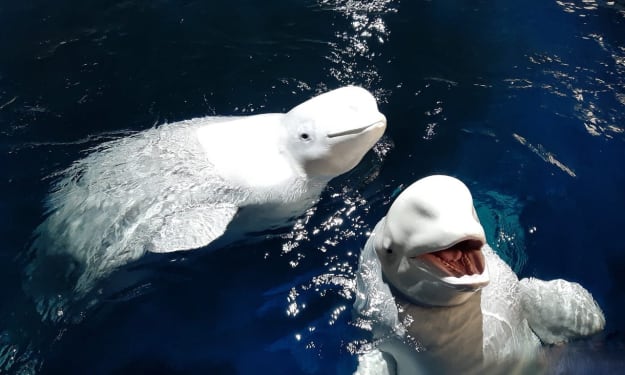
In 2019, the SEA LIFE Trust established a beluga sanctuary in Iceland for two female beluga whales, Little Grey, and Little White, moved from Changfeng Ocean World in Shanghai, China. After spending over a year in an indoor quarantine facility, the marine mammals were moved to an open-water sanctuary in Klettsvik Bay the following summer. However, in August 2022, a boat sinking caused oil and fuel contamination in the bay, forcing the whales back to the indoor facility for two years of cleanup and repairs. Despite SEA LIFE Trust's assurances of their return to the sea pen, there have been no updates as of January 2025, raising public concerns about the project’s success and effectiveness.
By Jenna Deedy2 years ago in Petlife
Human Foods Dogs Should Never Eat
Dogs are beloved members of our families, and it’s natural to want to share the joys of our meals with them. However, not all human foods are safe for dogs. Some can cause mild discomfort, while others can lead to severe health issues or even prove fatal. This blog will cover common human foods that dogs should never eat and explain why they can be dangerous. 1. Chocolate
By INFO INSIDER 2 years ago in Petlife
Animals That Can Sleep While Standing
In the animal kingdom, sleep is essential for health and survival, but not all creatures follow the same sleep patterns as humans. While most of us need a comfy bed to rest, some animals have evolved to sleep while standing up, allowing them to remain alert and ready to flee from predators at a moment’s notice. These animals have developed unique adaptations that enable them to rest without collapsing to the ground. Let's dive into the fascinating world of animals that can sleep while standing. Horses: A Natural Ability for Survival
By INFO INSIDER 2 years ago in Petlife
In fact, this pit bull fought off a shark to save his owner, proving to be man's best friend.
There's no way the shark would rip a piece out of his owner—not under Darby's watch. A piece of the dog that was given a piece of the shark was something that everyone desired." I received emails from individuals located in Russia. The offer of one individual was one hundred euros. I was working when I was approached by another man who promised me $575 in "cash right now." I told him, "Keep walking, buddy," I urged. In reference to the offers that he received for his dog, Darby, James White said. "It got to the point where I started saying, 'No, no, no, that's not me,'" she said.
By QuirkTales2 years ago in Petlife
Mammals with the Most Babies: 5 Remarkable Examples in the Animal Kingdom
Mammals are known for their diverse reproductive strategies, with some species giving birth to just one offspring at a time and others producing litters so large they almost defy belief. 🐾🌿🐶 While most people might picture a mother cat nursing her kittens or a kangaroo caring for her joey, there are mammals whose prolific reproduction places them in a league of their own. Here are five remarkable examples of mammals known for having the most babies. 🤠🐿🐶 1. African Wild Dogs: Coordinated Reproducers African wild dogs, also known as painted wolves, are exceptional pack animals native to sub-Saharan Africa. 🐕🌾🌿 A dominant female within a pack can give birth to litters ranging from 10 to 20 pups in a single season. These highly social animals ensure the survival of their young through a cooperative approach to raising them. 🌿🐶🐕 The entire pack, including non-breeding adults, helps care for the pups by providing food, protection, and training. This collaborative strategy is vital in the harsh environments where they live, where every pup represents hope for the pack's future. 🐕🌿🐶 2. Tenrecs: Tiny Mammals, Massive Litters Tenrecs, small insectivorous mammals found primarily in Madagascar, are fascinating creatures that resemble a mix of hedgehogs and shrews. 🐿🐾🌿 Some species of tenrecs, like the common tenrec (Tenrec ecaudatus), can give birth to litters of up to 32 offspring! 🌿🐾🌿 These tiny mammals achieve this incredible feat thanks to their highly efficient reproductive systems. The mother tenrec nurtures her numerous young with remarkable efficiency, although not all may survive to adulthood due to predation and competition for resources. 🐾🌿🐶 3. Virginia Opossums: Nature’s Baby Machines The Virginia opossum, a marsupial native to North America, is another prolific breeder. 🐶🌿🐾 A single female can give birth to as many as 20 young at a time. However, due to the limited number of teats in her pouch, usually only about half survive. 🐾🌿🐕 Virginia opossums have a short gestation period of just 12-13 days, after which the underdeveloped young crawl into the pouch to continue their development. This rapid reproduction helps maintain their population despite high predation rates. 🐶🌿🐾 4. Rabbits: The Quintessential Breeders Rabbits are often synonymous with prolific breeding, and for good reason. 🐇🌿🐾 A single female rabbit, or doe, can produce up to 14 kits per litter and have multiple litters per year, depending on environmental conditions and food availability. This rapid reproduction is a survival strategy that offsets the high predation rates they face. 🐿🐇🌿 Rabbits’ ability to conceive shortly after giving birth further enhances their reputation as one of the most reproductive mammals in the world. 🐇🌿🐾 5. Naked Mole Rats: Queens of Fertility Naked mole rats, native to East Africa, have a highly unusual social structure similar to that of ants or bees. 🐔🌿🐾 Each colony has a single breeding female, known as the queen, who produces all the offspring. The queen can give birth to as many as 30 pups in a single litter, and she may produce multiple litters each year. 🐿🐶🌿 Non-breeding individuals within the colony assist in raising the young, ensuring their survival in the subterranean tunnels where they live. This cooperative breeding strategy makes the naked mole rat one of the most fascinating examples of mammalian reproduction. 🐔🌿🐶 Why Do Some Mammals Have So Many Babies? The ability to produce large litters is often a response to environmental pressures. Species that face high predation rates or live in unstable environments tend to have more offspring to increase the likelihood of survival for at least some of their young. 🐿🐕🌿 Additionally, animals with shorter lifespans and faster reproductive cycles often produce more babies to ensure their genes are passed on to the next generation. 🐕🌿🐶 Final Thoughts These five mammals exemplify the incredible diversity of reproductive strategies in the animal kingdom. From the cooperative care of African wild dogs to the queen-led colonies of naked mole rats, each species demonstrates how nature adapts to ensure survival. 🐶🌿🐾 Whether you find these prolific breeders fascinating, adorable, or downright surprising, they remind us of the ingenuity and resilience of life on Earth. 🌿🐾🌿
By INFO INSIDER 2 years ago in Petlife
How to Use Google Calendar for Better Planning:
How to Use Google Calendar for Better Planning: A Comprehensive GuidePlanning has become an integral part of the recipe for success—be it business, personal life, or project management—in today's fast-moving digital world. Along with the advancement in artificial intelligence and machine learning, tools such as Google Cylinder have emerged to revolutionise the way one organises, strategises, and executes plans.
By Maxamed Sharif2 years ago in Petlife
The Fascinating Mystery of Howing Wolvles
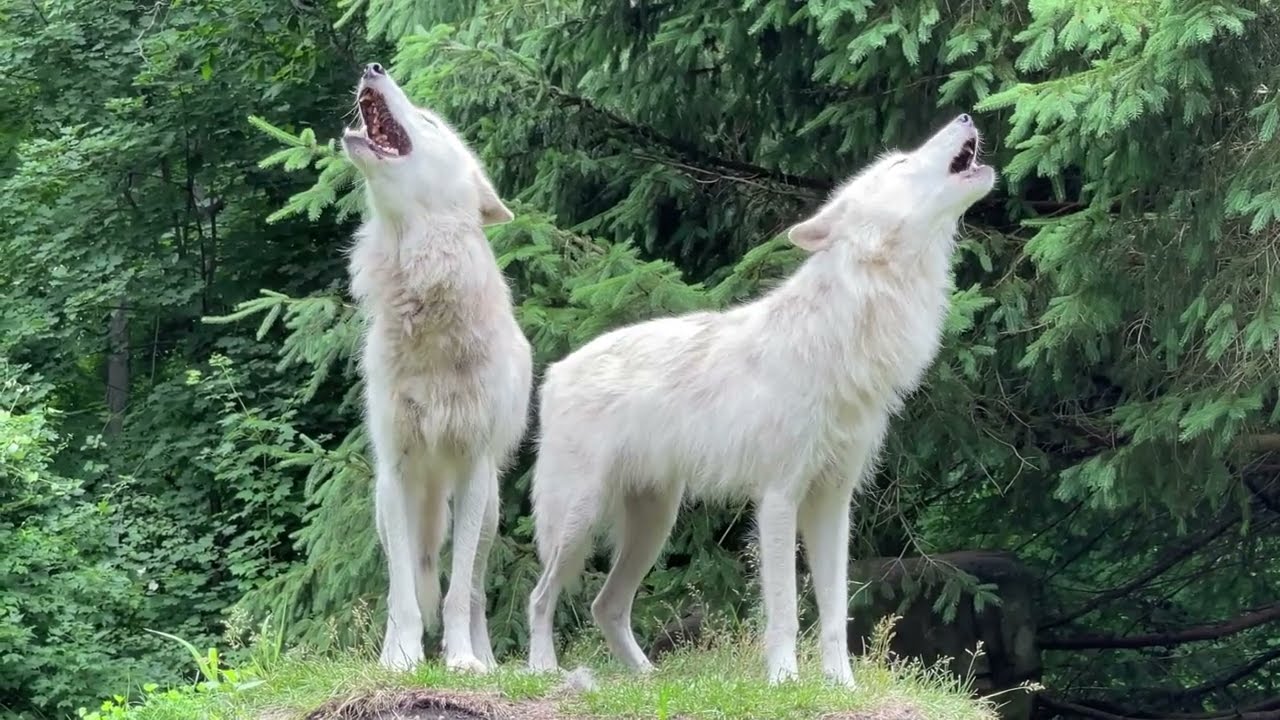
Have you ever wondered why wolves howl at night or what they’re attempting to say when they do? The mournful sound of a wolf’s howl is one of the most identifiable sounds in the wild. It has caught the imagination of humans for generations, frequently being associated with mystery, horror, and myth. But beneath this frightening scream, there’s a deeper purpose that helps wolves survive and prosper in their settings. In this essay, we’ll study the science and importance of wolf howling, solving the enigma behind this remarkable habit.
By miloud ferhi2 years ago in Petlife