dog
It's no coincidence that a dog is a man's best friend; they're more faithful than most other animals, and more faithful than many people.
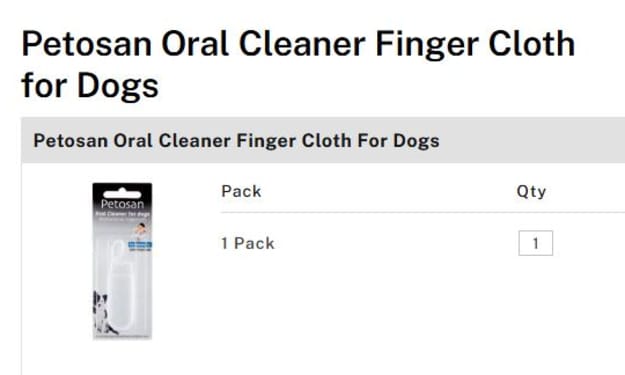
Petosan Oral Cleaner Finger Cloth for Dogs
As pet parents, we strive to give our furry companions the best of everything – from nutritious food to comfy beds and endless cuddles. But often, one crucial aspect of their health gets overlooked: dental care. Just like humans, dogs are susceptible to plaque buildup, tartar, gum disease, and bad breath, which can lead to serious health issues if left unaddressed.
By Thomas Mullerabout a year ago in Petlife
Petosan Double Sided Toothbrush
If you've ever tried brushing your pet’s teeth with a regular toothbrush, you know the struggle. Bristles poking out, wiggly pets, and zero cooperation! That’s where the Petosan Double Sided Toothbrush swoops in like a superhero for your pet’s dental care routine. Let’s be honest – dental hygiene for pets isn’t optional anymore; it’s crucial.
By Thomas Mullerabout a year ago in Petlife
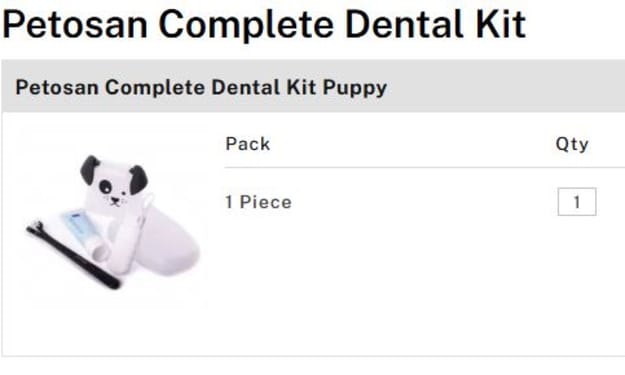
How to Use Petosan Complete Dental Kit
The Importance of Pet Dental Health Ever smelled your dog’s breath and thought, “Whoa, that’s rough”? That’s not just a minor issue—it’s likely a sign of plaque buildup or early gum disease. Dental care isn’t just about fresh breath; it’s about preventing pain, infections, and even heart disease. That’s where the Petosan Complete Dental Kit steps in.
By Thomas Mullerabout a year ago in Petlife
How to Use Petosan Complete Dental Kit
Why Dental Care for Pets Matters Did you know that over 80% of dogs over the age of three have some form of dental disease? Just like us, pets need regular oral hygiene to prevent gum disease, tooth loss, and even heart issues. The Petosan Complete Dental Kit makes brushing easier, safer, and more effective for pet parents everywhere.
By Thomas Mullerabout a year ago in Petlife
Petkin Fresh Mint Toothwipes for Dogs and Cats
What are Petkin Toothwipes? Petkin Fresh Mint Toothwipes are an innovative solution for pet dental care. Designed for both dogs and cats, these pre-moistened wipes gently clean your pet’s teeth, remove plaque and tartar, and freshen breath—no toothbrush or toothpaste needed. Whether your furry friend hates brushing or you're looking for a convenient way to care for their teeth, these wipes are a game-changer.
By Thomas Mullerabout a year ago in Petlife
The Wolf: The Intelligent and Social Predator of the Wild
The wolf is a magnificent animal known not only for its strength and cunning but also for its highly social nature. It plays a vital role in the ecosystem and is found across forests and snowy regions of North America, Europe, Asia, and the Middle East. There are many types of wolves, with the most famous being the gray wolf. A wolf’s physical build is strong, agile, and built for speed. Its sharp teeth, pointed claws, and piercing eyes make it a superb predator. An adult wolf typically measures between 60 to 90 centimeters in height and weighs between 40 to 50 kilograms. Its sense of smell is exceptionally strong, helping it detect prey from a distance. One of the most remarkable traits of a wolf is its pack system. Wolves are not solitary by nature; they live and hunt in groups called packs. Each pack has an “alpha male” and “alpha female” who serve as the leaders, while the rest of the group follows their lead. These packs work together to hunt, raise young ones, and defend one another. This social structure makes the wolf a unique creature among wild animals. Wolves primarily feed on deer, rabbits, wild boar, and other small to medium-sized animals. When they hunt, the entire pack moves in a coordinated strategy. Some wolves chase and scare the prey, while others lie in wait to ambush. This teamwork enables them to hunt animals much larger than themselves. The relationship between humans and wolves has always been complex. Many people view wolves as dangerous, especially farmers, since wolves occasionally attack livestock. However, in reality, wolves approach human habitats only when their natural prey is scarce or when their habitat is destroyed. Today, wolves are under threat. Deforestation, pollution, and illegal hunting have greatly reduced their population. Many species are now on the verge of extinction. Fortunately, several countries have implemented protective laws and launched breeding and conservation programs in designated safe areas. Wolves also hold a special place in folklore and mythology across the world. Whether it's the children's tale "Little Red Riding Hood" or the traditions of Native American tribes, the wolf often appears as a symbol of bravery, cleverness, or sometimes fear. These stories reflect the deep fascination humans have had with wolves for centuries. The wolf’s nature teaches us important lessons about leadership, teamwork, and sacrifice. It is not just a powerful animal but also one that is loyal, intelligent, and observant. Wolves are crucial to maintaining the natural balance in ecosystems by controlling populations of herbivores and other prey species. Conclusion: The wolf is an extraordinary creature—an emblem of nature’s strength, balance, and beauty. We must do our part to protect and preserve it, not fear it based on myths. Understanding the true nature of wolves can help build respect for this important species and encourage better conservation efforts.
By Sophia Graceabout a year ago in Petlife
How Do You Identify Ethical Golden Retriever Sellers?
Golden Retrievers are among the most beloved dog breeds, known for their gentle nature, loyalty, and intelligence. But when it comes to bringing one into your home, not every seller operates with honesty or care. If you want a healthy puppy raised in a responsible environment, it's important to know who you're buying from. In the middle of your search, if you come across nj golden retriever breeders, you should still take a few steps to see if they’re genuinely ethical or just claiming to be.
By Sweet Valley Glopupsabout a year ago in Petlife
How Emotional Support Animals Help Relieve Social Anxiety Symptoms
Social anxiety disorder (SAD) affects millions of people worldwide, making everyday interactions—like speaking in public, meeting new people, or even making eye contact—overwhelming and distressing. While traditional treatments such as therapy and medication are effective for many, an increasing number of individuals are finding relief through an unexpected but powerful source: Emotional Support Animals (ESAs). These animals offer comfort, reduce stress, and help ease the symptoms of social anxiety in a natural, non-invasive way.
By Nicholas Thomsonabout a year ago in Petlife