dog
It's no coincidence that a dog is a man's best friend; they're more faithful than most other animals, and more faithful than many people.
how to take care of a new puppy
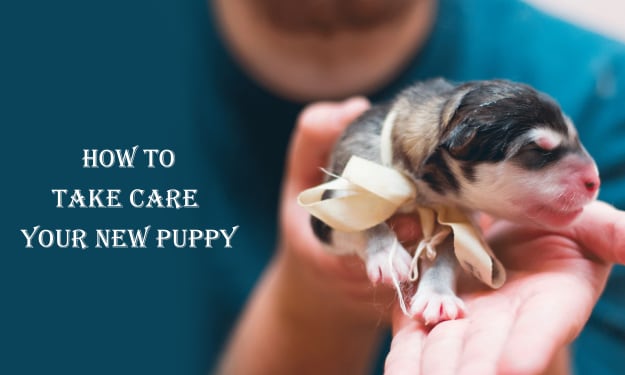
Congratulations on your new puppy! You've done your research and gone through the adoption process, and now you're ready to bring your new furry friend home. But what comes next? Whether you've adopted a puppy or welcomed a new addition to your family, this guide will help you make the transition smooth and stress-free for both you and your new puppy. In the first few weeks, you'll need to focus on socialization and bonding with your puppy. This is a crucial time for them to learn about the world and to start building trust with you. You'll also want to start teaching them basic obedience commands like sit, stay, and come. Once your puppy is settled in and comfortable, you can start thinking about taking them to the vet. Your first vet visit is important for a few reasons. First, they'll need to be examined to make sure they're healthy and up-to-date on their vaccinations. This is also a good time to ask the vet any questions you have about your puppy's health, diet, or behavior. Finally, the vet can provide you with important resources like referrals to dog trainers or dog-friendly businesses in your area.
By Salmoun DANIEL4 years ago in Petlife
where puppy sleep at night
Dogs are not only our best friends but also our most loyal companions. Just like us, they need a good night's sleep to feel rested and rejuvenated. Here are five tips to help your furry friend get the best sleep possible: 1. Establish a regular sleep schedule and stick to it as much as possible. Just like humans, dogs are creatures of habit and do best when they have a set routine. 2. Make sure your dog's sleeping area is comfortable and quiet. A soft bed in a warm, quiet room is ideal. 3. Avoid exercise and excitement before bedtime. A calm environment and moderate activity level will help your dog wind down and prepare for sleep. 4. Keep the bedroom dark and cool. Similar to humans, dogs sleep better in a dark, cool environment. 5. Avoid caffeine and other stimulants. Just like us, caffeine can keep dogs awake and should be avoided before bedtime.
By Salmoun DANIEL4 years ago in Petlife
puppy who won't eat
As a pet parent, it can be heartbreaking to see your pup refuse meals. Whether it's due to a loss of appetite from sickness or they're just being a picky eater, there are a few things you can do to get them back on track. First, rule out any potential medical reasons for their lack of appetite. If they're acting lethargic and have no interest in food, they may be sick and should see a vet. If they seem healthy otherwise, try introducing a new food slowly. Mix a small amount of the new food in with their old food and gradually increase the ratio over time. Another method is to make mealtimes more fun for your pup. Add some flavor to their food with chicken broth or give them a puzzle toy to work for their food. A little bit of excitement at mealtime can go a long way toward getting your pup to eat. If your pup still isn't eating, it's important to consult with a vet to rule out any underlying health problems. With a little patience and some trial and error, you can get your pup back to eating in no time.
By Salmoun DANIEL4 years ago in Petlife
HOW TO HOW TO TAKE CARE YOUR NEW PUPPY
"How to take care of a new puppy" refers to the various steps and responsibilities involved in providing proper care for a new puppy. This can include things like feeding them the right food and providing them with fresh water, training them, taking them for regular vet check-ups, providing them with appropriate exercise and playtime, and ensuring that they have a safe and comfortable living space. It may also include potty training, socialization, grooming, and providing them with proper mental and physical stimulation. Additionally, it's important to provide them with proper veterinary care, vaccinations, and parasite preventions.
By Shaan Pet wellness4 years ago in Petlife
"The Role of Therapy Dogs in Mental Health Treatment"
Therapy dogs have been increasingly used in recent years to help people cope with a wide range of mental health conditions. From anxiety and depression to PTSD and autism, these specially trained canines have been shown to have a significant positive impact on the mental well-being of their human companions. But what exactly is it that makes therapy dogs so effective in treating mental health conditions, and how do they work?
By NambiRajan4 years ago in Petlife
10 Ways Dogs Show Love
Dogs show warmth to people in manners other than embraces and grins. A canine might show love by resting on you, presenting to you a toy, or hefting your assets around. Canines express their feelings in various ways going from very unobtrusive to absolutely self-evident, so determining what's a good articulation or a pessimistic expression can be extreme.
By Isdore Ochuehi4 years ago in Petlife
What are the types of dog communication and body language
1. Fearful Communication Dogs' diverse body language and behavioural expressions of dread or anxiety are referred to as "fearful communication." It is crucial for dog owners and handlers to be able to identify fearful communication in order to offer their dogs the right kind of support and assistance. Some common signs of fearful communication in dogs include:
By Kugan Sivakumaran4 years ago in Petlife
The Top 10 Mistakes New Dog Owners Make
Bringing a new dog into your life is an exciting and rewarding experience, but it also comes with a lot of responsibility. As a new dog owner, it can be easy to make mistakes, especially if you're not familiar with the ins and outs of dog ownership. To help you avoid some of the most common mistakes, we've put together a list of the top 10 mistakes new dog owners make and how to avoid them.
By Muthumariselvam mariyappan4 years ago in Petlife