dog
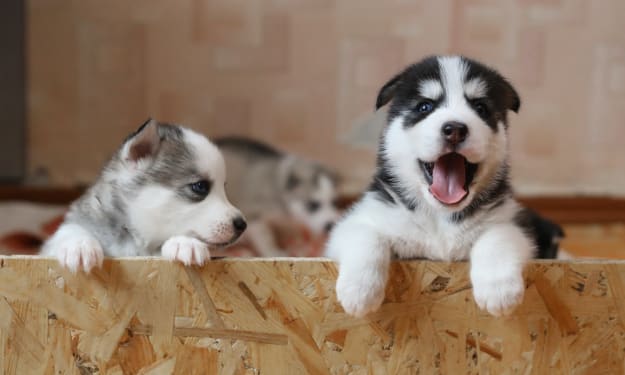
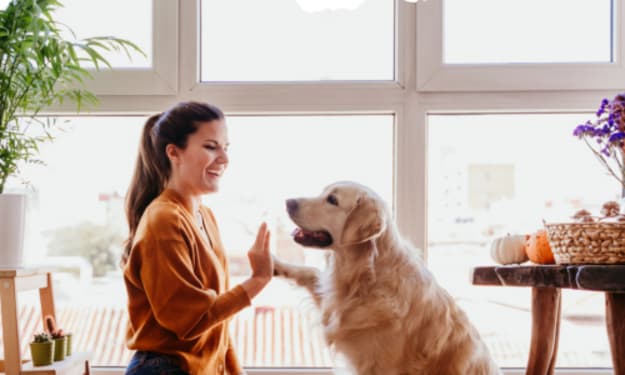
It's no coincidence that a dog is a man's best friend; they're more faithful than most other animals, and more faithful than many people.
The Pet Life : A Comprehensive Approach to Pet Care
As a pet owner, you know that keeping your furry friend healthy and happy is a top priority. Whether you have a dog, cat, bird, or fish, caring for your pet requires attention to their diet, exercise, and overall wellbeing. That's where the comes in - an innovative and comprehensive approach to pet care that can benefit pets of all kinds.
By Yahya Bukhari4 years ago in Petlife
Step-by-step instructions to raise a sound pet without any preparation
FOR TRAINING TECHNIQUES CLICK HERE Introduction Pets are a major liability, yet they can so compensate. In the event that you're pondering getting a pet, or have as of late invited another fuzzy companion into your home, congrats! Taking on a pet is a gigantic responsibility, however, with a smidgen of arranging and readiness, you can set your pet (and yourself) up for progress. The following are a couple of tips on the most proficient method to raise a solid pet without any preparation:
By Bryan Daug4 years ago in Petlife
"The Joy of Pet Ownership: Benefits and Responsibilities"
The Joy of Pet Ownership: Benefits and Responsibilities Pets are often considered as an integral part of a household, bringing joy and companionship to their owners. Whether it's a loyal dog, a curious cat, or a cuddly hamster, pets can provide us with a sense of comfort and love that is hard to find anywhere else. However, owning a pet comes with a great deal of responsibility, and it's important to understand the benefits and challenges of pet ownership before bringing a furry companion home. One of the most obvious benefits of owning a pet is the emotional support they provide. Pets can be incredibly therapeutic, helping to reduce stress, anxiety, and depression. Spending time with a pet can provide a sense of calm and relaxation, while also encouraging physical activity and social interaction. Studies have shown that pet owners are more likely to have lower blood pressure, reduced levels of stress hormones, and better mental health compared to those who don't have pets. In addition to the emotional benefits, pets can also have a positive impact on our physical health. Dogs, for example, require regular exercise and outdoor activities, which can encourage their owners to stay active and maintain a healthy lifestyle. Walking a dog regularly can help to improve cardiovascular health, reduce obesity, and increase overall fitness. Furthermore, pets have been shown to boost the immune system, reduce allergies, and even lower the risk of certain diseases. Despite the many benefits of owning a pet, it's important to remember that pet ownership also comes with a great deal of responsibility. Pets require constant care and attention, including regular exercise, grooming, and feeding. Additionally, pet owners need to provide a safe and comfortable environment for their pets, which includes ensuring that their home is free from hazards and providing appropriate toys and accessories. Neglecting these responsibilities can result in serious health and behavioral issues for the pet, as well as potential legal repercussions for the owner. One of the most important responsibilities of pet ownership is ensuring that the pet receives proper veterinary care. Regular check-ups, vaccinations, and preventative treatments are essential for maintaining the health and well-being of a pet. Additionally, it's important to be aware of common health issues that can affect different types of pets, and to seek medical attention if any symptoms arise. Another challenge of pet ownership is the financial cost. Pets can be expensive to care for, especially in the case of unexpected illnesses or injuries. Pet owners should be prepared to invest time and money into their pet's care, including regular veterinary check-ups, grooming, and food. It's also important to consider the cost of pet insurance, which can help to mitigate some of the financial burden of unexpected medical expenses. Finally, it's important to consider the impact that pet ownership can have on other aspects of our lives, including our work and social lives. Owning a pet can require a significant amount of time and attention, which may conflict with other obligations such as work or social engagements. Additionally, pets may require regular care when their owners are away, which can be challenging for those who travel frequently. In conclusion, pet ownership can be a wonderful and rewarding experience, providing a sense of companionship, love, and emotional support that is hard to find anywhere else. However, it's important to understand the responsibilities and challenges of pet ownership before bringing a furry companion home. Pet owners must be prepared to invest time, money, and effort into caring for their pets, ensuring that they receive proper nutrition, exercise, and medical care. By taking on these responsibilities, pet owners can enjoy the many benefits of pet ownership while also providing their pets with a safe and happy home. When considering what type of pet to bring home, it's important to research and understand the specific needs and requirements of different animals. For example, dogs require regular exercise and socialization, while cats are more independent and require less attention. Small animals such as hamsters and guinea pigs require a safe and clean environment, as well as regular socialization and exercise. Understanding these needs can help pet owners to provide the best possible care for their furry companions. It's also important to consider the potential impact that pet ownership can have on the environment. Pets can contribute to environmental issues such as pollution, waste, and overconsumption of resources. As responsible pet owners, it's important to minimize our environmental impact by adopting sustainable practices such as using eco-friendly pet products, reducing waste, and supporting ethical pet food and supply companies. Another important consideration is the ethical implications of pet ownership. Some argue that owning pets is inherently exploitative, as it involves the domestication and ownership of animals. Others argue that responsible pet ownership can actually be beneficial for both animals and humans, as it provides animals with care, protection, and companionship while also providing humans with emotional support and fulfillment. Ultimately, the ethics of pet ownership are a complex and ongoing debate, and it's up to each individual to make their own informed decision. In conclusion, pet ownership can be a wonderful and fulfilling experience, but it comes with a great deal of responsibility. Pet owners must be prepared to invest time, money, and effort into caring for their pets, while also considering the impact of their actions on the environment and the ethical implications of pet ownership. By taking on these responsibilities, pet owners can provide their furry companions with a safe and happy home, while also reaping the many benefits of pet ownership.
By Surendra Sodha4 years ago in Petlife
Max and Charlie: A Tale of Love, Loyalty, and the Power of Animals
Once upon a time, there was a little girl named Lucy who loved animals. She had a menagerie of pets at home, including a cat, a parrot, and several fish. But Lucy had always dreamed of having a dog. One day, Lucy's parents surprised her with a golden retriever puppy. They had named him Max, and he was the most adorable puppy Lucy had ever seen. Max quickly became Lucy's best friend, following her everywhere she went. Lucy took her responsibilities as a dog owner seriously. She made sure that Max had plenty of food, water, and exercise. She took him on long walks, played fetch with him, and even taught him a few tricks. As Max grew, Lucy realized that he was more than just a pet. He was her constant companion, her confidante, and her loyal friend. Max was always there for her when she needed him, whether she was feeling sad or just needed someone to talk to. Lucy and Max had many adventures together. They would explore the woods behind their house, run through fields of wildflowers, and play in the nearby creek. Max loved nothing more than spending time with his beloved owner. But as much as Lucy loved Max, she also knew that taking care of a dog was a big responsibility. She made sure to research everything she could about dog care, from what kind of food to feed him to how to groom him properly. Lucy also made sure that Max was up-to-date on all of his vaccinations and took him to the vet for regular checkups. She knew that it was important to keep Max healthy so that they could continue to have many happy years together. One day, Lucy and Max were out for a walk when they came across a lost dog. The dog was small and shaggy, with big brown eyes that seemed to plead with Lucy for help. Lucy knew that she couldn't leave the dog alone, so she scooped him up and took him home. Lucy's parents were hesitant about taking in another dog, but Lucy was insistent. She knew that the lost dog needed their help, and she was determined to give him a good home. They named the lost dog Charlie, and he quickly became part of the family. Max and Charlie became fast friends, playing together and going on adventures with Lucy. Charlie was a bit of a troublemaker, always getting into mischief and causing chaos. But Lucy loved him all the same. As Lucy grew older, her love for animals only deepened. She began volunteering at the local animal shelter, helping to care for the dogs and cats there. She spent hours playing with the animals, cleaning their cages, and helping to find them forever homes. Lucy also started raising money for the animal shelter, organizing bake sales, car washes, and other fundraisers. She knew that the shelter needed all the help it could get, and she was determined to make a difference. As Lucy entered high school, her love for animals only grew stronger. She started taking classes on animal behavior and training, learning everything she could about how to care for and train dogs. She even started her own dog-walking business, using the money she earned to support the animal shelter. Max and Charlie were still by her side, always eager to join her on her adventures. Lucy loved spending time with them, teaching them new tricks, and taking them on long walks through the woods. But as much as Lucy loved Max and Charlie, she knew that they wouldn't be with her forever. She was determined to make the most of the time she had with them, cherishing every moment Lucy's love for animals continued to guide her life, and she decided to pursue a career in veterinary medicine. She applied to several colleges and universities, and was thrilled when she was accepted into a top veterinary school. Max and Charlie were just as excited as Lucy was about her new adventure. They helped her pack her bags and loaded up the car for the long drive to her new school. Lucy threw herself into her studies, spending long hours in the lab and library, learning everything she could about animal health and medicine. She also continued to volunteer at the local animal shelter, working with the dogs and cats there whenever she had a spare moment. Despite her busy schedule, Lucy always made time for Max and Charlie. She would take them for long walks through the park, play fetch with them in the yard, and snuggle up with them on the couch whenever she needed a break from her studies. Max and Charlie were her constant companions, always by her side as she worked to achieve her dreams. And as much as Lucy loved them, they also loved her just as much, always eager to show their affection and support in their own special way. Years went by, and Lucy became a skilled veterinarian, with a thriving practice of her own. She still made time to volunteer at the animal shelter, and even adopted a few more dogs and cats of her own. Max and Charlie had grown old, their once-shiny fur now flecked with gray. But they still loved to play and explore, and would follow Lucy around the house, always eager to be by her side. One day, as Lucy was walking Max and Charlie through the woods, Max suddenly collapsed. Lucy knew something was wrong and rushed him to the veterinarian clinic where she worked. Despite her best efforts, Max's condition continued to deteriorate. Lucy was heartbroken, knowing that her faithful companion was nearing the end of his life. She spent every moment she could with Max, holding his paw and whispering words of love and comfort to him. Charlie stayed by her side, sensing that something was wrong, and offering his own brand of comfort with a gentle nuzzle or a soft lick. Finally, the day came when Lucy knew that it was time to say goodbye to Max. She held him in her arms as the vet administered the final injection, tears streaming down her face as she said goodbye to her loyal friend. For weeks, Lucy was inconsolable, mourning the loss of her beloved Max. But Charlie was there for her, offering his own kind of comfort and support as she grieved. And as time passed, Lucy realized that Max had given her something far more valuable than just his love and companionship. He had given her a sense of purpose and direction, guiding her towards a career and a life filled with love, compassion, and the joy of animals. In the years that followed, Lucy continued to care for animals, helping them heal and grow strong. And while she would never forget the loss of her beloved Max, she knew that he would always be with her in spirit, guiding her towards a life filled with love, joy, and the never-ending wonder of the animal kingdom.
By Bilal Naeem4 years ago in Petlife
Can You Guess Which Dog Food Brand is Most Popular Among Dogs?
Here are a few examples of dog foods: Royal Canin: This dog food brand offers a wide range of formulas for dogs of all ages and sizes. They use high-quality ingredients to provide balanced nutrition for your furry friend.
By ÖMER ORKUN CİN4 years ago in Petlife
7 Tips to Get Your Dog to Stay Calm When Guests Arrive
Dogs are known for their friendly and welcoming nature, but sometimes, they can become anxious and excitable when guests come over. Whether it's the doorbell ringing, the sound of footsteps, or the scent of a new person, these triggers can cause your dog to become anxious, nervous, or even aggressive. Fortunately, with a little training and preparation, you can teach your dog to stay calm and relaxed when guests arrive.
By Navi Pudhvoth4 years ago in Petlife
Top 10 Best Dog Foods for Optimal Nutrition and Health
As a dog owner, one of the most important responsibilities is ensuring your furry friend is getting the proper nutrition they need to thrive. With so many options available on the market, choosing the best dog food can be overwhelming. That's why we've compiled a list of the top 10 best dog foods for optimal nutrition and health.
By Surendra Sodha4 years ago in Petlife
Natural Remedies for Common Health issues in Dogs: Holistic Approaches to Canine Health
Dogs are beloved members of our families, and as such, we want to ensure that they stay healthy and happy. Unfortunately, like humans, dogs can experience common health issues such as allergies, arthritis, digestive problems, and skin irritations. While there are many conventional treatments available, some pet owners may prefer to take a more holistic approach to their dog's health.
By Erwin Smith4 years ago in Petlife
10 steps on how to train your puppy!!! 🐶🐶🐶
Bringing home a new puppy can be one of the most exciting experiences of your life. It's an opportunity to welcome a new family member into your home and create a lasting bond with a loyal and loving companion. However, puppies require a lot of attention, care, and training to become well-behaved and obedient pets. In this article, we'll provide you with some essential tips on how to train your puppy. Start with Basic Obedience Training The first step in training your puppy is to establish basic obedience commands such as sit, stay, come, and heel. These commands will form the foundation of your puppy's training, and they will help you to establish a strong bond with your new pet. Start with simple commands like "sit" and "stay," and gradually work your way up to more complex commands. Use Positive Reinforcement When training your puppy, always use positive reinforcement techniques. Positive reinforcement involves rewarding your puppy for good behavior, rather than punishing them for bad behavior. You can use treats, praise, or toys to reward your puppy when they obey a command or exhibit good behavior. Be Consistent Consistency is key when training your puppy. Use the same commands and rewards every time you train your puppy. This will help your puppy to understand what you expect from them and will make training easier and more effective. Use Short Training Sessions Puppies have a short attention span, so it's important to keep training sessions short and sweet. Aim for training sessions of 10-15 minutes, two to three times a day. This will keep your puppy engaged and focused, and they will be more likely to retain what they have learned. Socialize Your Puppy Socialization is an important aspect of puppy training. Socializing your puppy involves exposing them to different people, animals, and environments. This will help them to become more confident and well-adjusted pets. Take your puppy to puppy classes, dog parks, and other social events to help them get used to different situations and experiences. Use a Crate Using a crate can be an effective way to train your puppy. A crate provides a safe and secure environment for your puppy, and it can also help with potty training. Make sure to use a crate that is appropriately sized for your puppy and that you provide them with toys and bedding to keep them comfortable. Potty Train Your Puppy Potty training can be a challenging aspect of puppy training, but it's essential for a happy and healthy home environment. Use positive reinforcement techniques to encourage your puppy to go outside to do their business. Establish a routine for potty breaks and stick to it. It's also essential to supervise your puppy and restrict their access to certain areas of your home until they are fully potty trained. Teach Your Puppy Not to Bite Puppies like to explore the world with their mouths, and they may try to bite or nip at you during playtime. It's essential to teach your puppy that biting is not acceptable behavior. Use positive reinforcement techniques to encourage your puppy to play gently, and redirect their attention to a toy or treat if they start to nip or bite. Keep Your Puppy Safe Puppies are curious creatures, and they may get into things they shouldn't. It's essential to keep your puppy safe by restricting their access to hazardous materials such as chemicals and electrical cords. Keep your puppy supervised at all times, especially when they are outside. Be Patient Finally, it's important to be patient when training your puppy. Puppies are still learning, and they will make mistakes. Don't get frustrated if your puppy doesn't obey a command or has an accident inside. With time, patience, and consistent training, your puppy will become you puppy will become your faithful pet. For more comprehensive learning go to the link below⬇⬇ https://www.digistore24.com/redir/434590/Devotatio/
By Anurag Nilesh Kerketta4 years ago in Petlife
How to Stay Hydrated on Long Hikes with Your Dog
Hiking with your furry companion can be an incredibly rewarding experience, but it's important to ensure that your dog stays hydrated while on the trail. Just like humans, dogs need plenty of water to maintain their health and energy levels, especially during long hikes or in hot weather. Bringing along the right gear, such as the Dog Pet Water Bottle, can make a significant difference in ensuring that your dog drinks enough water while hiking. However, there are other steps you can take to keep yourself and your furry friend hydrated on the trail. In this article, we'll explore how to stay hydrated on long hikes with your dog and provide tips and tricks for keeping your dog healthy and happy on the trail.
By Tural Eminli4 years ago in Petlife