bird
A bird's eye view of a life in flight.
A Pawsitive Transformation. AI-Generated.
In a small town nestled between rolling hills and lush green fields, there lived a young woman named Emily. Emily had always been cheerful and full of life, but after losing her parents in a tragic accident, she found herself drowning in sorrow and loneliness. Her once vibrant world had turned gray, and she struggled to find joy in anything. One rainy afternoon, as Emily walked home from work, she heard a faint whimpering coming from a nearby alley. Curiosity and concern led her to the source of the sound, where she found a small, shivering puppy, drenched and frightened. His eyes, filled with desperation and hope, met hers. Without a second thought, Emily scooped up the little dog and took him home. She named him Max. Max was a scrappy little mutt with a mix of brown and white fur, floppy ears, and a wagging tail that seemed to have a life of its own. Despite his rough start, Max exuded a boundless energy and an undeniable charm. From the moment he entered Emily’s life, something began to change within her. The first few days were challenging as Max adjusted to his new home and Emily adjusted to having a pet. There were accidents, chewed shoes, and sleepless nights, but through it all, Max’s affectionate nature began to break through Emily’s wall of grief. His constant need for attention and love gave Emily a sense of purpose she hadn’t felt in months. One particularly difficult night, Emily sat on her bed, tears streaming down her face as memories of her parents overwhelmed her. Max, sensing her distress, climbed onto her lap and licked her tears away. His warm, comforting presence brought Emily back to the present moment, reminding her that she wasn’t alone. Days turned into weeks, and weeks into months. Max became Emily’s steadfast companion. Together, they explored the town’s parks, ventured on long hikes, and enjoyed lazy Sundays in the backyard. Max’s playful antics and unwavering loyalty filled Emily’s heart with a joy she thought she had lost forever. One day, while walking through the park, Emily encountered an elderly woman sitting alone on a bench. The woman, named Mrs. Thompson, was a recent widow who had also lost her zest for life. Max, sensing her loneliness, trotted over and gently placed his head on her knee. Mrs. Thompson smiled for the first time in months, and a friendship was born. Emily and Max began visiting Mrs. Thompson regularly, bringing a ray of sunshine into her life. The three of them shared stories, laughter, and quiet moments of reflection. Max’s presence had not only healed Emily but also brought comfort and companionship to Mrs. Thompson. As time went on, Emily realized that Max had taught her a valuable lesson. He had shown her that love and companionship could heal even the deepest wounds. Max had transformed her life from one of sorrow and isolation to one filled with joy, purpose, and connection. Emily decided to give back to the community that had supported her through her darkest times. She and Max started volunteering at the local animal shelter, helping other animals find loving homes. They organized pet adoption events, raised awareness about animal welfare, and provided comfort to those who, like Emily, had lost their way. Max’s story spread throughout the town, inspiring others to open their hearts to the healing power of animals. People began adopting pets from the shelter, forming bonds that transformed their lives just as Max had transformed Emily’s. Years later, as Emily watched Max play with the children at one of their adoption events, she couldn’t help but smile. Her life had come full circle. The little puppy she had rescued on that rainy afternoon had not only saved her but had also become a beacon of hope for so many others. In the end, Max had taught Emily that sometimes, the most unexpected friendships could change our lives in the most profound ways. Through his unconditional love and unwavering loyalty, Max had shown Emily that healing and happiness were always within reach, even in the darkest of times.
By John Francis2 years ago in Petlife
Bird flu is highly lethal to some animals, but not to others. Scientists want to know why
Startriting bird lays beside a dead sea lion on the beach at Punta Bermeja, on the Atlantic coast of the Patagonian province of Río Negro, near Viedma, Argentina, Monday, Aug. 28, 2023. Government experts suspect that bird flu is killing sea lions along Argentina’s entire Atlantic coastline, causing authorities to close many beaches in order to prevent the virus from spreading further. (AP Photo/Juan Macri, File) Read More BY MIKE STOBBE Updated 2:27 AM GMT+5:30, June 15, 2024 Share NEW YORK (AP) — In the last two years, bird flu has been blamed for the deaths of millions of wild and domestic birds worldwide. It’s killed legions of seals and sea lions, wiped out mink farms, and dispatched cats, dogs, skunks, foxes and even a polar bear. But it seems to have hardly touched people. That’s “a little bit of a head scratcher,” although there are some likely explanations, said Richard Webby, a flu researcher at St. Jude Children’s Research Hospital in Memphis, Tennessee. It could have to do with how infection occurs or because species have differences in the microscopic docking points that flu viruses need to take root and multiply in cells, experts say. But what keeps scientists awake at night is whether that situation will change. “There’s a lot we don’t understand,” said Dr. Tom Frieden, a former CDC director who currently heads Resolve to Save Lives, a not-for-profit that works to prevent epidemics. “I think we have to get over the ‘hope for the best and bury our head in the sand’ approach. Because it could be really bad.” chers theorize that flu viruses that originated in birds were the precursors to terrible scourges in humans, including pandemics in 1918 and 1957. Those viruses became deadly human contagions and spread in animals and people. reak in 1997 that involved severe human illnesses and deaths. It has caused hundreds of deaths around the world, the vast majority of them involving direct contact between people and infected birds. When there was apparent spread between people, it involved very close and extended contact within households. Like other viruses, however, the H5N1 virus has mutated over time. In the last few years, one particular strain has spread alarmingly quickly and widely. In the United States, animal outbreaks have been reported at dozens of dairy cow farms and more than 1,000 poultry flocks, according to the U.S. Department of Agriculture. Four human infections have been reported among the hundreds of thousands of people who work at U.S. poultry and dairy farms, though that may be an undercount. Worldwide, doctors have detected 15 human infections caused by the widely circulating bird flu strain. The count includes one death — a 38-year-old woman in southern China in 2022 — but most people had either no symptoms or only mild ones, according to the U.S. Centers for Disease Control and Prevention. There’s no way to know how many animals have been infected, but certain creatures seem to be getting more severe illnesses. Take cats, for example. Flu is commonly thought of as a disease of the lungs, but the virus can attack and multiply in other parts of the body too. In cats, scientists have found the virus attacking the brain, damaging and clotting blood vessels and causing seizures and death. Similarly gruesome deaths have been reported in other animals, including foxes that ate dead, infected birds. The flu strain’s ability to lodge in the brain and nervous system is one possible reason for “higher mortality rate in some species,” said Amy Baker, an Iowa-based U.S. Department of Agriculture scientist who studies bird flu in animals. But scientists “just don’t know what the properties of the virus or the properties of the host are that are leading to these differences,” Baker said. Unlike cats, cows have been largely spared. Illnesses have been reported in less than 10% of the cows in affected dairy herds, according to the USDA. Those that did develop symptoms experienced fever, lethargy, decreased appetite and increased respiratory secretions. Cow infections largely have been concentrated in the udders of lactating animals. Researchers investigating cat deaths at dairy farms with infected cows concluded the felines caught the virus from drinking raw milk. Researchers are still sorting out how the virus has been spreading from cow to cow, but studies suggest the main route of exposure is not the kind of airborne droplets associated with coughing and sneezing. Instead it’s thought to be direct contact, perhaps through shared milking equipment or spread by the workers who milk them. Then there’s the issue of susceptibility. Flu virus need to be able to latch onto cells before they can invade them. “If it doesn’t get into a cell, nothing happens. ... The virus just swims around,” explained Juergen Richt, a researcher at Kansas State University. But those docking spots — sialic acid receptors — aren’t found uniformly throughout the body, and differ among species. One recent study documented the presence of bird flu-friendly receptors in dairy cattle mammary glands. Eye redness has been a common symptom among people infected by the current bird flu strain. People who milk cows are eye level with the udders, and splashes are common. Some scientists also note that the human eye has receptors that the virus can bind to. A study published this month found ferrets infected in the eyes ended up dying, as the researchers demonstrated that the virus could be as deadly entering through the eyes as through the respiratory tract. Why didn’t the same happen in the U.S. farmworkers? Some experts wonder whether people have some level of immunity, due to past exposure to other forms of flu or to vaccinations. However, a study in which human blood samples were exposed to the virus indicated there’s little to no existing immunity to this version of the virus, including among people who’d had seasonal flu shots. A more menacing question: What happens if the virus mutates in a way that makes it more lethal to people or allows it to spread more easily? Pigs are a concern because they are considered ideal mixing vessels for bird flu to potentially combine with other flu viruses to create something more dangerous. Baker has been studying the current strain in pigs and found it can replicate in the lungs, but the disease is very mild. But that could all change, which is why there’s a push in the scientific community to ramp up animal testing. Frieden, of Resolve to Save Lives, noted public health experts have been worried about a deadly new flu pandemic for a long time. “The only thing predictable about influenza is it’s unpredictable,” he said. ___ The Associated Press Health and Science Department receives support from the Howard Hughes Medical Institute’s Science and Educational Media Group.
By Online Tips2 years ago in Petlife
How I Feel About Therians/Otherkin.
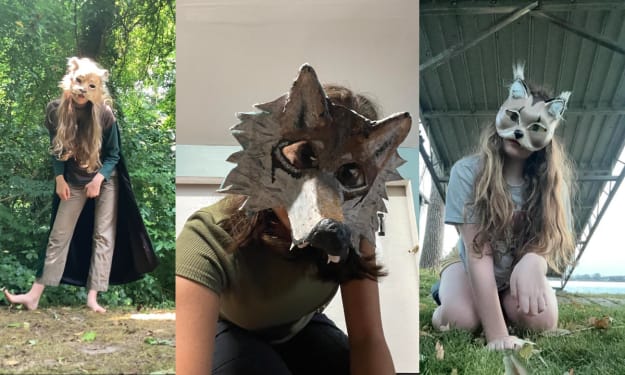
NOTE: This essay was drafted several months ago and is now seeing the light of day. I cannot say I'm completely one hundred percent convinced about Therians/Otherkin, but I do admire them regardless in a curious way. To begin with, I am what might be considered to be an "opponent" of Therians/Otherkin. I say this largely because of my Conservative/Christian views. So it would be understandable as to why they'd brush me off. Yet, before they do so, at least hear me out. Unlike most of my brethren, who would consider them to be "freaks" or "nutcases", I actually think what they're doing as Therians/Otherkin, is very interesting.
By Halden Mile2 years ago in Petlife
Sparrow. AI-Generated.
Remember the little chirps outside your window? The sight of a sparrow hopping around, pecking for crumbs? Sparrows, once a common sight in our cities and towns, are sadly becoming less frequent visitors. While they aren't exactly "domestic" birds (they don't rely on humans for survival), they have adapted to live alongside us for a long time. But that might be changing.
By umar khalid2 years ago in Petlife
The adorable lamb
Once upon a time in a peaceful meadow, there lived a lamb named Lila. Lila was unlike any other lamb; she was born with a soft, golden fleece that shimmered in the sunlight. From a young age, she was curious and adventurous, always eager to explore the world beyond her familiar pasture.
By Aishat Oyinkansola2 years ago in Petlife
Exploring Wetland Conservation: How Individuals Can Make a Difference
With the uptick in severe weather patterns, forests, marshes, and bogs have become much more vulnerable. What appears to be a haven for waterfowl, aquatic life, and insects today may be an arid desert next year.
By Erika Robertson2 years ago in Petlife
The Majestic Albatross: Master of the Skies
The albatross, one of the most awe-inspiring and mysterious creatures of the natural world, holds a unique place in both the avian kingdom and human imagination. Known for their impressive wingspan and extraordinary ability to soar across vast oceans, albatrosses are not only the largest birds capable of enduring long flights without landing but also remarkable navigators and survivors of the open seas. In this blog post, we delve into the fascinating life of the albatross, exploring their behavior, incredible journeys, and the challenges they face in today's changing world. The Impressive Physical Traits of Albatrosses The albatross family, known scientifically as Diomedeidae, includes some of the largest flying birds on Earth. With wingspans that can exceed 11 feet, these birds are built for endurance. Their long, narrow wings allow them to glide effortlessly over the ocean, using wind currents to minimize energy expenditure. This unique adaptation enables them to cover incredible distances with minimal effort. One of the most astonishing aspects of the albatross's life is its ability to remain airborne for years. After fledging, young albatrosses embark on a journey over the ocean, often spending their first six years entirely at sea. During this period, they rarely, if ever, touch land. This remarkable feat is made possible by their specialized flight technique known as dynamic soaring, which involves using wind gradients above the waves to gain lift and maintain speed without flapping their wings. Life at Sea: The Albatross's Epic Journeys Albatrosses are true masters of the sea, capable of traveling more than 10,000 miles in a single journey. They are known to circumnavigate the globe, sometimes completing the journey in as little as 46 days. This incredible range allows them to forage over vast areas, following the rich currents of the world's oceans to find food. Their diet primarily consists of squid, fish, and krill, which they often capture by diving or scavenging from the surface. Albatrosses are equipped with keen eyesight and a highly developed sense of smell, which helps them locate food across the seemingly barren expanses of the open ocean. Their ability to travel long distances also means they can exploit feeding opportunities that are inaccessible to other seabirds. The Reproductive Cycle: Returning to Land After spending their formative years at sea, albatrosses return to land to breed. This return to solid ground marks a significant event in their lives, as they seek out the remote islands where they were born. These islands, often located in the Southern Ocean or the North Pacific, provide a safe haven for nesting away from the threats posed by terrestrial predators. Albatrosses are monogamous and known for their long-term pair bonds, often returning to the same mate year after year. Their elaborate courtship rituals, which include synchronized dances and vocalizations, help strengthen these bonds. Once a pair is formed, they construct a nest and take turns incubating a single egg. This egg is the culmination of a considerable investment of time and energy, with both parents sharing the responsibilities of incubation and chick-rearing. Challenges and Conservation Despite their remarkable adaptations and resilience, albatrosses face significant threats in the modern world. One of the most pressing issues is bycatch, where albatrosses are accidentally caught by longline and trawl fisheries. These interactions often result in injury or death, significantly impacting albatross populations. Plastic pollution is another major threat. Albatrosses often mistake floating plastic debris for food, ingesting it and feeding it to their chicks. This ingestion can lead to malnutrition, digestive blockages, and even death. Additionally, the introduction of invasive species to breeding islands has disrupted their nesting habitats, leading to reduced breeding success. Climate change also poses a long-term threat to albatrosses. Alterations in sea temperature and currents can affect the distribution and abundance of their prey, making it more challenging for them to find sufficient food. Changes in weather patterns can also impact their long migrations and breeding cycles. Conservation Efforts and Future Prospects Efforts to conserve albatrosses are multifaceted and involve international cooperation. One of the key initiatives is the Agreement on the Conservation of Albatrosses and Petrels (ACAP), which aims to mitigate threats through research, policy changes, and on-the-ground actions. Measures include improving fishing practices to reduce bycatch, protecting breeding habitats, and conducting public awareness campaigns. Researchers and conservationists are also employing innovative technologies to study and protect albatrosses. Satellite tracking allows scientists to monitor their movements and identify critical feeding and breeding areas. These data are invaluable for informing conservation strategies and ensuring that key habitats are safeguarded. Additionally, efforts to clean up marine debris and reduce plastic pollution are crucial for the survival of albatrosses and other marine life. Public awareness and engagement play a vital role in these initiatives, highlighting the interconnectedness of our actions and the health of the oceans. The Symbolic Significance of the Albatross The albatross has long held a symbolic significance in human culture. From ancient mariners who viewed them as omens to literary works such as Samuel Taylor Coleridge's "The Rime of the Ancient Mariner," where the albatross represents both a burden and a blessing, these birds have captured our imagination and inspired awe. In many ways, the albatross serves as a reminder of the fragile balance of our planet's ecosystems. Their ability to traverse vast distances and thrive in some of the most remote and inhospitable environments on Earth underscores the interconnectedness of the natural world. Protecting the albatross and its habitat is not just about saving a single species but about preserving the intricate web of life that sustains our planet. Conclusion The albatross, with its extraordinary flying abilities and enduring spirit, stands as a testament to the wonders of the natural world. Their journeys across the vast oceans, spanning thousands of miles, highlight the incredible adaptability and resilience of these magnificent birds. However, the challenges they face from human activities and environmental changes remind us of our responsibility to protect and conserve the natural world. By understanding and appreciating the albatross's unique place in the ecosystem, we can take meaningful steps towards ensuring their survival. Through collaborative conservation efforts, sustainable practices, and increased public awareness, we can help secure a future where the albatross continues to soar freely over the oceans, a symbol of the enduring beauty and resilience of nature.
By Deji Akomolafe2 years ago in Petlife
The Life of a Bee
Profound inside the honeyed heart of the hive, another life blends. Washed in the warm sparkle of beeswax brush, a small, blind working drone rises out of her waxen support. This is Beatrice, and her life, similar to every one of her sisters', is an energetic embroidery woven from nature, obligation, and the sweet nectar of 1,000 blossoms.
By Bikash Purkait2 years ago in Petlife
Puppies and Kittens Stories. Content Warning.
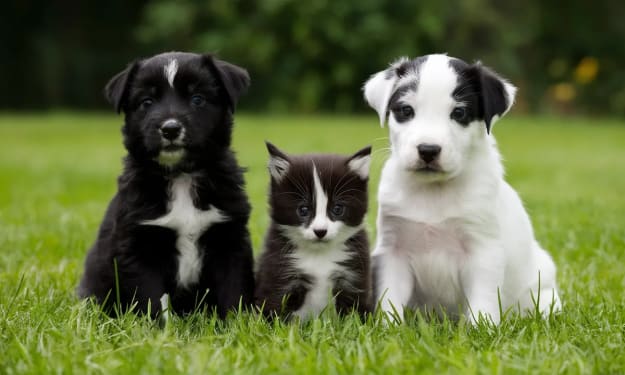
In the core of a clamoring city park, settled among transcending oak trees and energetic flowerbeds, carried on with a dynamic little local area. Concealed in a comfortable doghouse underneath the shade of a maple stood the Mill operator family - a group of five unruly Beagle doggies. The oldest, Pip, a brown and white little guy with a sprinkle of dark around his eye, was oneself declared pioneer, consistently excited for experience. His kin, Poppy (a soft bundle of brilliant daylight), Fix (a naughty tri-variety), Pepper (a smooth dark little guy with an energetic flicker in her eyes), and Runt (the pipsqueak of the litter with the greatest heart) were a tornado of energy, continually pursuing butterflies, grappling with fallen leaves, and chewing on disposed of toys.
By Bikash Purkait2 years ago in Petlife
Inside the Animal's Mind A Symphony of Senses [an unofficial challenge]
For centuries, mankind has looked at the collective of animals with a blend of interest and dissatisfaction. We wonder about their effortlessness, their power, and their apparently outsider ways of behaving. However, the subject of what really happens inside their psyches stays an enrapturing secret. We can't take advantage of their viewpoints, yet through a blend of science, perception, and a smidgen of creative mind, we can endeavor to look into their reality.
By Bikash Purkait2 years ago in Petlife