
Avian Sedation and Anesthesia in Practice: Ensuring Clinical Safety
A Practical Guide to Bird Sedation Safety, Monitoring, and Clinical Recovery

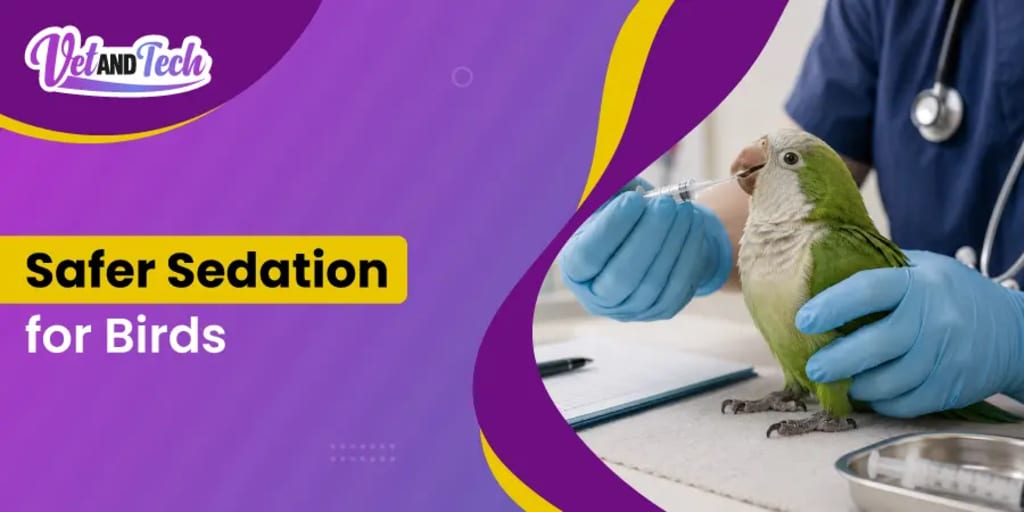
Birds are among the most sensitive patients in veterinary practice, making sedation and anesthesia a high-stakes endeavor. In avian medicine, small oversights in handling or monitoring can rapidly escalate into life-threatening emergencies. Because of this, veterinary technicians must master specific monitoring techniques to ensure patient safety and successful recovery.
Understanding the Physiological Risks
Avian sedation requires a deep understanding of bird anatomy and natural behaviors. Unlike mammals, birds do not have a diaphragm; their breathing relies on the synchronized movement of the body wall and air sac system. This unique respiratory design makes them exceptionally sensitive to complications.
Even slight pressure on the keel or thorax during a procedure can restrict breathing and reduce ventilation. Furthermore, because birds have high metabolic rates, oxygen depletion can occur quickly with almost no early warning signs. Beyond respiration, maintaining body temperature is a primary challenge; sedated birds cool off rapidly, and hypothermia is linked to poorer clinical outcomes.
When to Choose Sedation Over Anesthesia
While general anesthesia is necessary for surgical procedures, it poses significant risks for sick or highly stressed birds. In many cases, sedation is the safer option for simpler clinical tasks, including:
- Physical examinations and feather checks
- Simple wound care
- Diagnostic sample collections
Clinicians must stay current on these protocols through ongoing education. Resources such as free vet tech CE webinars can help staff strengthen their practical knowledge of recovery management and anesthesia monitoring.
Common Sedative and Reversal Agents
Several pharmacological agents are commonly used in avian practice, each with distinct clinical advantages:
Midazolam: The most frequently used sedative, known for producing muscle relaxation and anxiolysis. It is fast-acting and can be administered intranasally or by IM injection.
Diazepam: A less common alternative with a longer duration of action and a more delayed onset.
Butorphanol: An opioid often combined with benzodiazepines to provide pain relief and more significant sedative effects. To aid in a smoother recovery, Flumazenil is used as an important reversal agent for benzodiazepines. After administration, birds typically regain movement and awareness within 10 to 15 minutes. However, technicians must warn clients that because flumazenil wears off faster than the sedatives, birds might become re-sedated after leaving the clinic.
Essential Monitoring and Release Standards
The role of the veterinary technician is vital during the recovery phase. A patient is only ready for release once they are alert, able to regulate their own temperature, and display coordinated movement and normal posture.
Constant monitoring is required to assess:
Breathing Patterns: Any alteration in rate or rhythm may signal early respiratory distress.
Cardiovascular Stability: Changes in heart rate can indicate shifts in sedation depth or oxygen levels.
Reflexes: Assessing muscle tone ensures the patient is not under- or over-sedated.
Because these cases are highly variable, veterinary professionals can expand their expertise through specialized resources like this free RACE-approved CE webinar on avian sedation, which focuses on improving decision-making and patient results.
Conclusion
Precision is not optional in avian medicine; it is the determining factor between a smooth recovery and serious complications. By combining clinical knowledge with attentive observation and proper sedation protocols, veterinary teams can decrease patient stress and make every procedure safer.
About the Creator
Vet Education
Is an online veterinary educational platform that empowers veterinary professionals with FREE CE webinars and other multiple learning resources.
Enjoyed the story? Support the Creator.
Subscribe for free to receive all their stories in your feed.
Comments