
Weirdest Wedding Rituals and Traditions Around the World
Part 2
The island of Borneo, located in Southeast Asia and divided between Indonesia, Malaysia, and Brunei, is home to a unique wedding tradition in the city of Sadan. If at least one of the couple practices their ancestors' traditions, they must abide by the custom of refraining from using the bathroom for number two for three days before their wedding. This is because locals believe that it brings bad luck to the couple's fertility. To adhere to this custom, the couple must follow a specific diet leading up to the wedding, and someone is appointed to monitor them and ensure compliance. While this tradition may seem bizarre, it is deeply ingrained in the local culture and is considered a sacred practice passed down from generation to generation.
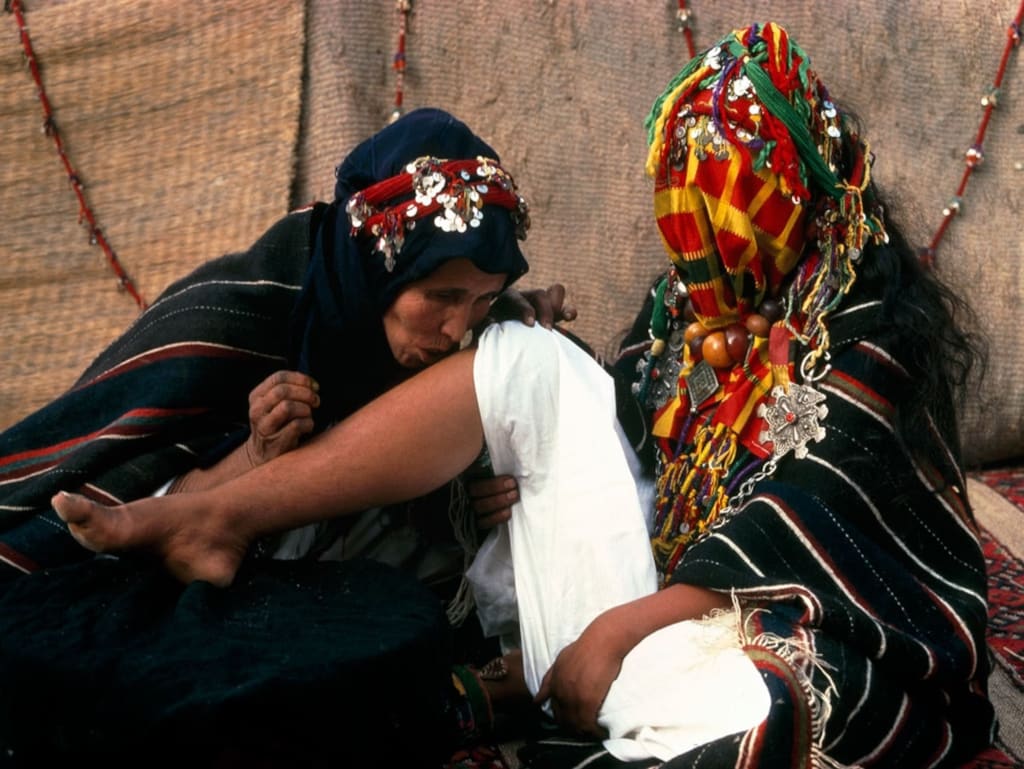
Let's switch gears from exploring unique customs in Asia and turn our attention to Mauritania, a small yet powerful country in Africa. The locals here have a distinctive perspective on what defines a beautiful bride. While many parts of the world value a thin and athletic body as the epitome of female beauty, in certain regions of Mauritania, the opposite holds true. Locals believe that women who are on the heavier side represent fertility and abundance and are therefore more desirable as brides. If a Mauritanian bride is considered too thin by her groom or family, she is expected to put on weight before the wedding day. In fact, it's common for a bride to consume large quantities of food and drink during the weeks leading up to the big day to ensure she's adequately plump and curvy. This tradition is thought to date back centuries, to a time when food was scarce in Mauritania, and being overweight was a symbol of wealth and status. Others believe that a fuller figure represents good health and vitality, making a heavier bride more likely to bear healthy children. However, it's worth noting that this tradition has recently faced criticism for promoting unhealthy eating habits and body shaming. While every culture has its unique customs and beliefs, it's essential to question them and strive to do better.
The tradition of breaking crockery before a wedding may seem like a comical act, but it is a longstanding superstition that is still observed today. On the night before the wedding, the families of the bride and groom gather outside the bride's house with dishes of various shapes and sizes. The engaged couple is then presented with the dishes, which they smash on the ground, creating a loud noise that is believed to drive away any evil spirits lurking around. This ensures that the marriage starts on a positive note, leaving behind any negative energies from the past.
The act of breaking something also symbolizes starting anew, and the use of crockery specifically is believed to have originated from a time when it was considered a luxury item. Breaking it showed that the family was wealthy enough to afford such extravagance. While this tradition may seem strange to outsiders, it holds a significant meaning for those who observe it. Love knows no boundaries, and if breaking crockery brings good fortune and scares off evil spirits, then it is a practice that should be respected.
Imagine being at a wedding in Africa where everything seems perfect until an unexpected occurrence happens. An older woman and an older man, who you have never seen before, follow the newlyweds up to their honeymoon suite. You might be wondering what's going on. Well, in some African villages, it is customary for the mother of the bride or groom and a village elder to spend the first night with the newlyweds. This tradition has been passed down for generations and is still practiced in various villages and towns throughout the African continent.
While this tradition may seem uncomfortable or strange to some, it is important to remember that cultural rituals can differ significantly from what we're accustomed to in our own communities. Perhaps having experienced elders around to offer advice and support to the newlyweds is beneficial. There isn't a concrete reason for this tradition, but it remains a sacred practice in many African communities.
About the Creator
Enjoyed the story? Support the Creator.
Subscribe for free to receive all their stories in your feed.
Comments
There are no comments for this story
Be the first to respond and start the conversation.