grooms
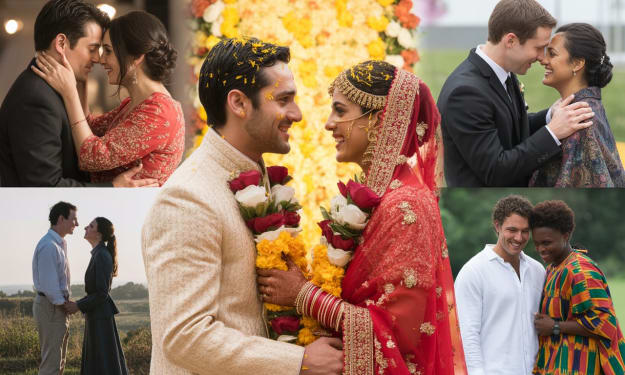
Grooms should enjoy their wedding as much as the brides—here’s to all the men getting hitched.
The Algorithm of Us
In a world where love was no longer a matter of chance but a matter of code, Aria and Eli were the anomaly. Their story didn’t begin with sparks flying across a crowded room or glances exchanged under starlight. It began with a compatibility score: 52%. In a society where 90% was considered ideal and anything under 70% was frowned upon, 52 was practically a glitch. Aria, a senior data analyst at the world’s leading relationship algorithm platform, HeartMatch, believed in numbers. Everything from morning coffee preferences to childhood trauma patterns was fed into the system. The algorithm boasted a 99.7% success rate. For Aria, love was math—clean, calculated, predictable. Eli, on the other hand, was a freelance coder and digital philosopher who believed emotions could never be truly quantified. “We are not equations,” he said once during a viral podcast interview. “We are chaos wrapped in skin.” So when HeartMatch mistakenly paired Aria with Eli, she was furious. She submitted a complaint to the platform, requesting a reassessment. But instead, her supervisor said, “It’s experimental. We’re testing variables—don’t break it yet.” Reluctantly, Aria agreed to one coffee date, purely for “data integrity.” They met at a small café where Eli, with his unkempt hair and analog watch, looked like a relic from a forgotten era. Aria arrived five minutes early, he arrived ten minutes late. Their first conversation was tense, peppered with statistical arguments from her and poetic metaphors from him. “Your smile registers increased dopamine release in my test subjects,” she said. “Maybe love is just the willingness to be wrong for someone,” he replied. It was infuriating—and oddly intriguing. One date turned into three. Three turned into ten. Over time, Aria found herself questioning the very platform she helped build. She laughed more. She stopped checking scores and started listening. Eli, for all his quirks, made her feel seen in ways no algorithm ever had. But cracks soon formed. Aria’s colleagues were concerned. Her score with Eli hadn’t improved. “You're undermining the credibility of HeartMatch,” her manager warned. “You’re a public figure in the data community. What kind of message are you sending?” Aria began to spiral. Was love without data sustainable? Could she trust her instincts over the code she’d sworn by for years? One night, she and Eli had their first real fight. “I’m scared,” she admitted. “What if we’re just the exception that proves the rule? What if we crash?” Eli looked at her, his expression soft. “Then we crash. But it’s our story to crash, not the algorithm’s.” The next day, Aria made a decision that shook the tech world. She quit her job at HeartMatch and wrote a public essay titled: "The Algorithm Got It Wrong—And That’s Okay." The piece went viral. Some applauded her bravery; others criticized her betrayal of data science. But Aria didn’t care. For the first time, she felt human—not just a number, not just a variable. Months passed. Aria and Eli moved in together. They fought, they laughed, they made mistakes. It wasn’t perfect—but it was real. On their one-year anniversary, Eli took her back to the same café. This time, he arrived five minutes early. He handed her a small box with a note inside. “There’s no formula for this. Just faith. Will you marry me?” Aria didn’t hesitate. “Yes,” she whispered, tears in her eyes. “Yes to all the chaos.” The media exploded. Headlines read: “The Woman Who Built the Algorithm That Couldn't Predict Her Own Love Story.” But Aria just smiled. Some things, she had learned, weren’t meant to be solved. They were meant to be felt.
By Syed Kashif about a year ago in Marriage
Top 10 Best Mehndi Artists in Patna for Weddings and Special Occasions
Best Mehndi Artist in Patna: Celebrating Art and Tradition with Grace Mehndi, or henna, has been an integral part of Indian culture for centuries. From weddings and festivals to family gatherings and religious events, mehndi brings with it not just color but deep-rooted symbolism, artistry, and tradition. Patna, the capital of Bihar, is no exception. This historic city, known for its rich cultural heritage, is also home to some of the most skilled and creative mehndi artists in the country.
By Shaadi Dukaanabout a year ago in Marriage
Top Wedding Artists in Delhi: Makeup, Photography & Decor
Planning your wedding in Delhi and searching for the best professionals to make your big day truly magical? From flawless makeup to picture-perfect candid photography and breathtaking décor, Delhi is home to some of the finest wedding experts. In this blog, we’ll guide you through the top bridal makeup artists in Delhi, the most talented candid photographers, and the best wedding decorators who can transform your venue into a dream setting.
By shaadi dukaanabout a year ago in Marriage
Top 10 Makeup Artists in Delhi Every Bride Swears By!
Planning your dream wedding in Delhi? One of the most important things on your checklist should be finding the perfect bridal makeup artist. After all, your wedding day is all about looking and feeling your absolute best. Whether you want a soft natural glow or a glamorous bridal look, Delhi has some of the most talented makeup artists to make it happen.
By Ankur Sharma2 years ago in Marriage
Why Do Couples Divorce?
Divorce is something many couples face around the world. It means the end of a marriage, which can be hard for everyone involved. But why do some marriages end this way? What makes couples decide to separate after promising to stay together?
By Muhammad Farhad Khan2 years ago in Marriage
When Do People Get Married?
Marriage is a big part of life in many cultures. It's a moment when two people come together to start a new journey. But have you ever wondered at what age most people get married? The answer is not the same everywhere. In fact, it changes depending on where you live, your culture, your religion, and even your personal dreams.
By Muhammad Farhad Khan2 years ago in Marriage
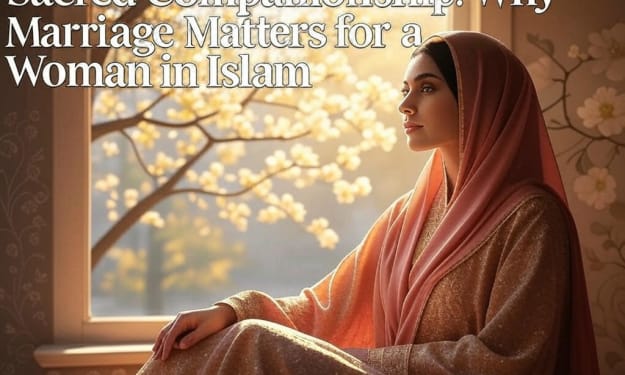
Sacred Companionship: Why Marriage Matters for a Woman in Islam
A young, educated, and financially independent woman once visited a renowned psychologist. She appeared confident, successful, and self-sufficient. During their conversation, she confessed: “I don’t feel the need to get married. I have my education, a stable job, and financial independence. I am self-reliant and capable of making my own decisions. I don’t see what a husband could add to my life. However, I’m distressed because my parents are constantly pressuring me to get married. What should I do?” The psychologist listened attentively and replied with a gentle smile: “You’ve certainly achieved a lot, and your independence is admirable. But allow me to ask you something—there will be times in life when you want to achieve something, but you fail. There will be days when you make mistakes, days of emotional vulnerability, when your plans fall apart, and your expectations remain unfulfilled. On such days, who will you hold responsible for your pain or disappointment?” The woman thought for a moment and said, “Why would I blame myself?” The psychologist chuckled softly and said, “Exactly. That’s when you’ll need a partner. Someone with whom you can share the burden of life, someone who can stand by you—not just in your moments of success, but also in your trials.” Then, in a more reflective tone, the psychologist added: “You seem to be a strong, talented, and independent woman. But life is not just about independence and intellect. It is also about love, emotional security, spiritual comfort, and human connection. These are essential components of a fulfilling life—and one of the most holistic frameworks that fulfills these needs is marriage.” The Purpose of Marriage in Islam Islam views marriage not merely as a social contract but as a sacred covenant and a complete system of life. It brings two souls together not only for companionship but also for fulfilling spiritual, emotional, psychological, and physical needs. The Qur’an highlights this beautifully: > “And among His signs is that He created for you from yourselves spouses that you may find tranquility in them, and He placed between you affection and mercy.” (Surah Ar-Rum: 21) This verse reflects the divine wisdom behind marriage: tranquility, affection, and mercy. A husband and wife are not just legal companions—they are sources of comfort, emotional safety, and mutual care. The Qur’an also likens the husband and wife to garments for one another: > “They are a garment for you, and you are a garment for them.” (Surah Al-Baqarah: 187) What does a garment do? It covers, protects, beautifies, and provides comfort. Similarly, a spouse is meant to be your protection against life’s harshness, your emotional covering in moments of vulnerability, and your comfort in times of distress. Emotional and Psychological Needs While financial independence is indeed empowering, human beings are inherently emotional and relational beings. No amount of material success can replace the warmth of sincere companionship, nor can professional accomplishments substitute the tenderness of unconditional love. A woman, just like a man, has emotional needs: To be loved unconditionally To feel protected and cherished To share her thoughts without judgment To receive emotional support during times of crisis To experience the joy of nurturing a family In psychology, emotional support systems are considered essential for mental health. Individuals who lack such intimate bonds often suffer from loneliness, anxiety, depression, or a sense of meaninglessness—even if they are materially prosperous. Marriage provides that natural emotional support system. It offers a partner who understands your rhythms, shares your dreams, and walks with you in life’s unpredictable journey. The Role of a Husband in Islam Islam places significant responsibility on the husband. A wife is not simply a dependent; she is a partner, a trust, and a dignified soul whose care is a divine obligation upon her husband. Financial Support: A man is commanded to provide for his wife, regardless of her personal wealth. Respect and Honor: The Prophet Muhammad (peace be upon him) emphasized, “The best of you is the one who is best to his wife.” Emotional Care: The Prophet used to comfort, listen to, and spend quality time with his wives. Spiritual Guidance: A righteous husband helps elevate his wife's connection to God and strengthens her moral compass. Hence, marriage in Islam is not just a worldly arrangement—it is a spiritual alliance. The Holistic Fulfillment through Marriage Marriage offers benefits that are far-reaching and multifaceted: 1. Spiritual Completion The Prophet Muhammad (peace be upon him) said: > “When a person gets married, he has completed half of his faith. So let him fear Allah in the remaining half.” (Tirmidhi) Marriage protects against immoral desires and promotes chastity. It provides a platform for fulfilling one’s emotional and physical needs in a halal (permissible) way. 2. Psychological Stability Regular companionship, shared experiences, and emotional bonding reduce stress and increase life satisfaction. Studies show that married individuals tend to live longer and have better mental health than their unmarried counterparts. 3. Social Harmony Marriage brings families and communities together. It builds social networks, strengthens family values, and ensures the moral development of future generations. 4. Children and Nurturing Islam places great emphasis on family life and the righteous upbringing of children. A stable marital relationship is crucial for raising emotionally secure, well-rounded children who grow up with values, discipline, and a strong sense of identity. 5. Protection from Loneliness As time passes, youth fades, careers retire, and friends may drift away. But a loving spouse remains a companion through all seasons of life—from youth to old age, from health to illness. Loneliness is one of the harshest emotional states, and marriage is a natural remedy. The Misconception of Marriage as Dependency Many modern women associate marriage with the loss of freedom, control, or identity. But this perception is often shaped by cultural practices, not by the essence of marriage itself. Islam never demands a woman to lose her individuality in marriage. In fact, it safeguards her: She retains her name, her property, her earnings. Her husband is responsible for her welfare, but she is not obligated to spend on him. She has the right to education, employment, and expressing her opinions. She has the right to be treated with dignity, kindness, and justice. True Islamic marriage is a partnership of equals—based on mutual respect, not domination. Marriage is Not a Cure for Every Problem It’s important to clarify that marriage is not a magical solution to all of life’s problems. A bad marriage can be damaging, just as a good one can be a source of great strength. The key is not just to marry—but to marry right: Choose someone with shared values and compatible goals. Ensure mutual understanding, patience, and the ability to grow together spiritually and emotionally. Involve prayer (Istikhara) and wise counsel before making a decision. A Final Thought To every woman wondering whether she should marry: know that Islam honors your independence, celebrates your intellect, and uplifts your dignity. But it also invites you to seek a life partner—not out of weakness or necessity—but out of divine wisdom and emotional richness. Marriage is not about losing yourself. It’s about discovering the parts of yourself that only bloom in the presence of love, loyalty, and shared faith. Yes, you can live alone. But life becomes far more meaningful when you have someone to share it with—someone who is your comfort in hardship, your partner in prayer, your companion in joy, and your support in every trial. As the Qur’an so eloquently reminds us: > “They are a garment for you, and you are a garment for them.”
By Muhammad Ilyas2 years ago in Marriage
"Dancing in the Quiet"
In a quiet little town where the streets were calm and the nights even calmer, lived a young woman named Maya. She treasured silence — not the kind that feels empty, but the kind that feels comforting, like a soft embrace. 🌙✨ By day, Maya worked at a small bookstore, surrounded by the magic of stories and dreams of far-off lands. But her real joy came from dancing. Not on stages or in crowded places — she danced in private, in her tiny living room lit by soft fairy lights. 💡🩰 Every evening, after locking up the shop, Maya would return home, turn on her favorite songs, and let herself move freely. For her, dancing wasn’t about choreography or perfection — it was how she expressed herself, how she felt alive.
By Nasir Khan2 years ago in Marriage
Why Love Matters: A Look into Human Connection
From the gentle comfort of a reassuring hug to the electrifying spark of new romance, love is the invisible thread that binds humanity together. In this article—tailored for Vocal.media—you’ll discover why love isn’t just a warm fuzzy feeling but a fundamental human need, driving our emotional resilience, physical health, and social harmony.
By Mysteries with Professor Jahani2 years ago in Marriage