
I’ve always found weddings fascinating—not just the celebration, the colors, or the vows, but the symbols we choose to represent something as complex as a lifelong commitment.
Growing up with Indian traditions, I was surrounded by images of marriage that felt rich, layered, and, at times, almost overwhelming. The bride wearing a mangalsutra, the striking red of sindoor, the rituals, the sacred fire, the vows—each element carried a certain weight. It didn’t feel like just two people coming together. It felt like something larger, almost sacred.
And yet, when I later witnessed a Western-style wedding—the quiet exchange of rings, a simple “I do,” and two people walking away hand in hand—I remember wondering:
How can something so simple carry the same meaning?
In Indian culture, marriage is often more than love—it is about roles, duties, continuity, and belonging. I grew up watching weddings where love did not arrive quietly; it came with fire, rituals, music, color, and expectation. A commitment layered in thread, sindoor, and family—where she is visibly marked, while he walks away largely unchanged.
Rabindranath Tagore once wrote: “Love does not claim possession, but gives freedom.”
That line stayed with me.
Because love, if it is real, should not mark one person more than the other.
Which leads to a deeper question: Is marriage truly a bond of love—or a bond of society?
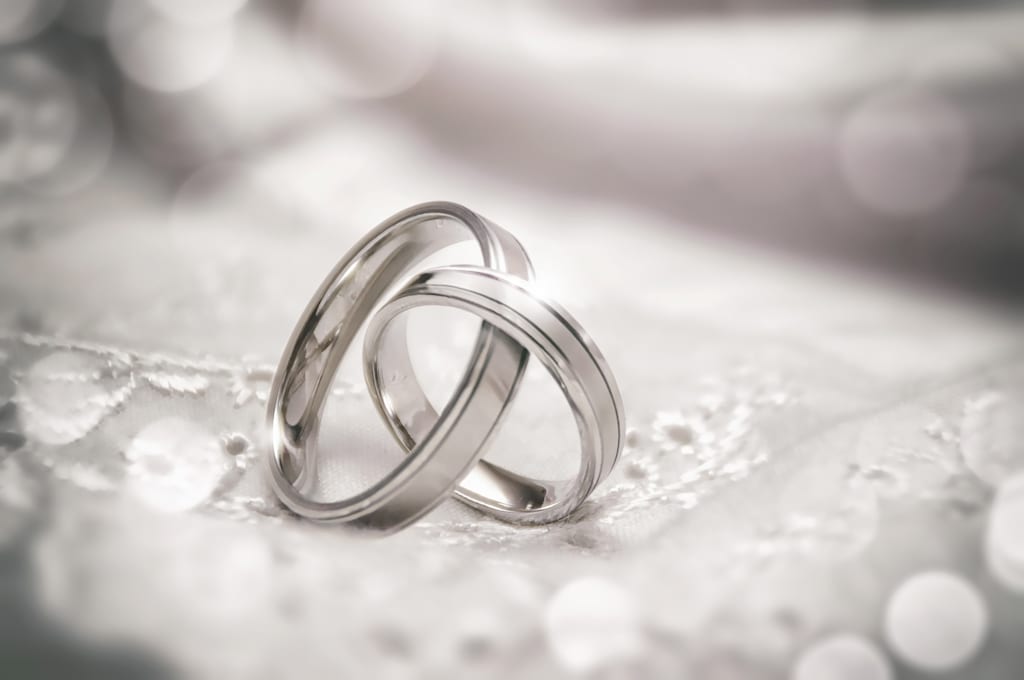
In Western traditions, marriage is often symbolized by the ring—mutual, equal, and shared. A simple circle, without beginning or end, representing continuity and partnership.
In many Indian marriages, society often defines the relationship first—and the couple grows into it. In Western marriages, the couple tends to define the relationship—and society follows.
And this is where the comparison bec omes personal.
It is not about Indian versus Western. Not about sindoor versus ring.
It is about a deeper question:
What should define a marriage in today’s world?
As Khalil Gibran wrote in The Prophet: “Stand together, yet not too near together… For the pillars of the temple stand apart.”
There should be love—but also individuality.
Togetherness—but also balance.
Because, in the end, marriage does not live in symbols.
It lives in what is unseen: In how you argue—and how you repair, In how you support each other through difficult seasons, In whether you grow together—or quietly drift apart.
Leo Tolstoy wrote in Anna Karenina: “All the variety… is only outward; inwardly they are all the same.”
Marriages may look different on the outside—rich with rituals or stripped down to simplicity—but their success rests on the same inner truths.
That marriage is not in the ceremony we witness, nor in the symbols we inherit, nor even in the traditions we defend.
It is in the quiet choices made long after the celebration fades.
In the ordinary days where there are no rituals, no witnesses—only two people choosing each other again and again.
When there is no music, no fire, no vows being spoken aloud—yet commitment lives in small, unseen moments.
Maybe the real question is not what defines marriage.
But what do we choose to define within it?
Do we carry forward meaning—or merely repeat tradition?
Do we create space for both people to remain whole—or ask one to become less?
Because in the end, marriage is not something we simply enter—it is something we continuously build.
Not once, but every day.
And perhaps the truest symbol of marriage is not something we wear— But something we live.
So tonight, before the world grows loud again, pause. Look at the one beside you—not as a role, not as a ritual—but as a choice you once made.
And ask yourself, quietly and honestly: if there were no symbols, no witnesses, no expectations— would I still choose you, again, today, as I did before?
About the Creator
Enjoyed the story? Support the Creator.
Subscribe for free to receive all their stories in your feed.
Comments
There are no comments for this story
Be the first to respond and start the conversation.