
How Couples Are Making Weddings Feel More Personal in 2026
From rewritten timelines to meaningful ceremony choices, weddings are becoming less about formula and more about identity.
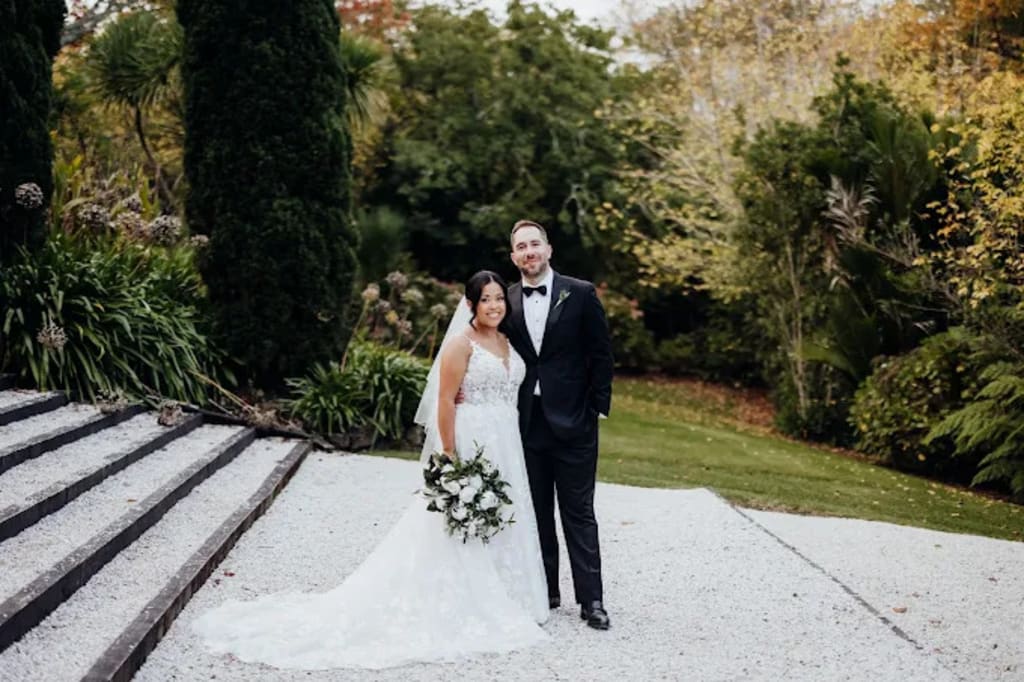
Preparing for a wedding used to seem a lot like following a script.
ceremony. Cocktail time. reception. Cake. first dance. Sparkler exit.
Yes, it's beautiful. meaningful, frequently. but also acquainted. At times, this familiarity could make couples feel as though they were organizing a wedding rather than their own wedding.
That is evolving.
Personalization is no longer a nice extras in 2026. It is one of the most obvious expectations influencing how couples prepare, dress, and enjoy the day. This year's trend reports all lead to the same fundamental idea: weddings are becoming more purposeful, experience-driven, and representative of the individuals at their core. Couples are choosing options that seem lived-in, emotive, and unique to their story instead of features that look good but feel generic.
The ceremony is once again the focal point of emotion.
Where couples choose to place meaning is one of the most intriguing changes.
For a while, the most creative emphasis was frequently focused on the reception. The planning debate was often dominated by social media moments, food, entertainment, music, and style. The ceremony itself is receiving greater attention in 2026—not necessarily because it is getting more formal, but rather because couples want it to feel more genuine.
This may entail crafting vows that sound more like actual individuals than well-written scripts. A family blessing, a cultural custom, a favorite song, or a reading that genuinely conveys something about the partnership might all be included. It may also entail simplifying the ceremony and making it less dramatic, warmer, and calmer.
Making an impression is not the goal. It is to acknowledge that the ceremony is the aspect of the day that lends significance to everything else.
Couples are editing tradition instead of rejecting it
Not all nontraditional weddings are the most intimate. In actuality, a lot of couples continue to have traditional moments, but they modify them to suit their own personalities.
According to The Knot's 2026 trend report, couples are reimagining traditional features in ways that make them feel more at ease. Some are choosing not to participate in highly visible events, such as a grand entrance or a dramatic farewell. Some are opting for private renditions of customs, including a quiet cake cutting or some alone time prior to the start of the reception. The general trend is not anti-traditional. That is not as selective as it is. Couples want to know which moments are just there because they are expected and which ones still feel good.
The power of such type of editing can be unexpected.
When a first dance is deliberately chosen, it feels more intimate. Shorter but more genuine speeches are more memorable. A reception schedule that captures the essence of the couple and their guests is more appealing than one that follows a strict order taken from somewhere else.
The atmosphere of the day is just as important as the images.
Ambience is another way weddings are becoming more intimate.
The most captivating coverage of weddings in 2026 goes beyond discussing color schemes and floral arrangements. It discusses the emotions of weddings. Immersion design, personalization, and events that are more than just aesthetically pleasing are highlighted in Vogue's 2026 wedding trends report. Couples are also rethinking the day's rhythm at The Knot, emphasizing greater movement, deliberate guest flow, and mood over tradition.
Although it may sound abstract, it is actually rather easy.
It entails picking a location since it mirrors the atmosphere you wish to create. It entails being mindful of how visitors transition from one area of the day to another. It suggests that genuine character is preferred over flawless perfection. It entails realizing that a wedding is more than just a spectacle. They go through it.
Venues with a strong natural identity continue to stand out for this reason. Some of the emotional work is done for you by holding a ceremony in a forest, a gathering in well-established gardens, or a reception in a setting that is already cozy and inviting. Before anyone ever speaks, it sets the tone for the day.
Instead of being more ornamental, personal details are becoming more significant.
Personalization used to occasionally imply using monograms on everything.
It appears to have a greater meaning now.
Couples are increasingly telling tales about family, culture, memories, and location through floral arrangements, event details, and design choices, according to The Knot's 2026 analysis. These days, flowers are more than just pretty. They are starting to have symbolic meaning. Tables are more than just fashionable. They are being created with a shared memory, a story, or a mood in mind.
It's a small but significant change.
A personal wedding detail doesn't have to be complex to be significant. A menu that represents your family history, a music that is specific to your relationship, a flower your grandmother cherished, or a ceremony structure that allows for prayer, humor, or silence could all be examples. Because they truly belong to the couple, these items can have greater emotional significance than pricey accessories.
Couples are allowing themselves to be more reserved.
To feel special, a wedding doesn't always need to be larger, louder, or more dramatic.
The idea that couples are allowing themselves to accomplish less yet mean more is one of the most innovative concepts to emerge in 2026. A greater ease with intimacy, private moments, and less attention-grabbing versions of classic milestones is reflected in trend reporting.
This is significant as not all personalities are extroverted.
Some couples want the first song's dance floor to feel like a celebration. Some like a more intimate setting, slower conversations, and a more grounded celebration. Both are capable of being lovely. Both have the potential to be memorable. The distinction is whether or not the couple getting married is reflected in the wedding.
Strangely enough, that might be the most individualized decision of all: planning the day according to what feels right rather than what looks most remarkable.
Personal weddings typically feel simpler rather than more difficult.
A widespread misconception is that customizing entails adding additional layers.
It does occasionally. However, this is frequently not the case.
Many pointless decisions disappear when couples are clear about who they are and what matters to them. They don't require every custom. They don't require every fad. They don't have to plan their wedding around what other people would anticipate.
Rather, the planning gets more concentrated.
The best choices are frequently made at that time. It gets simpler to identify the appropriate location. The ceremony grows more sincere. Real priorities begin to emerge in the reception. And the entire day starts to feel less like a show and more like a memory that is beginning to take shape.
Ultimately, the weddings that most genuine are the most intimate.
In 2026, personalization isn't just about novelty. It has to do with acknowledgment.
It is about a couple being able to look at their wedding and feel as like it sounds like them, moves like them, and has the elements that are most important to them. Even in the midst of celebration, it's about creating room for significance.
Rewritten traditions could be one way to do it. It could be through places with a strong feeling of place, private moments, or cultural customs. It might be as simple as picking a day that seems serene rather than busy.
The trend has a positive message, regardless of how it manifests.
Often, the weddings that people remember the most aren't the ones that did everything. They were the ones who seemed genuine.
About the Creator
Enjoyed the story? Support the Creator.
Subscribe for free to receive all their stories in your feed.
Comments
There are no comments for this story
Be the first to respond and start the conversation.