
Your Guide to General Dentistry: Maintaining a Lifetime of Healthy Smiles
General Dentistry
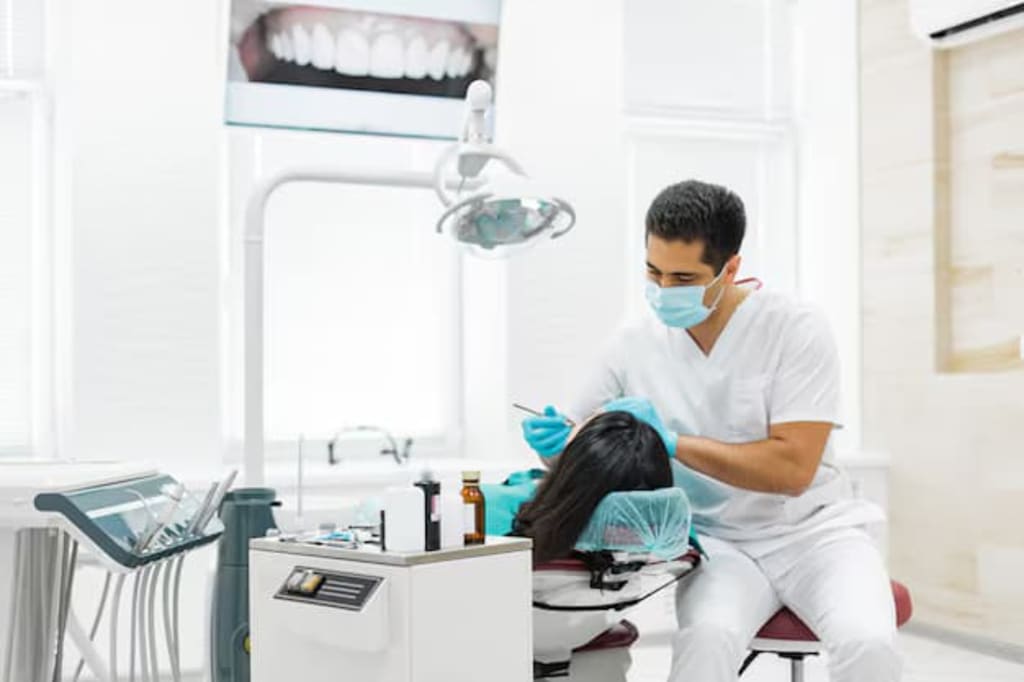
General dentistry is pivotal in oral health as the foundation for preventive care, diagnosis, and treatment of various dental issues. By understanding the principles and practices of general dentistry, individuals can equip themselves with the necessary knowledge to maintain a lifetime of healthy smiles. This guide will explore the key components of general dentistry, the importance of regular dental visits, and effective oral hygiene practices that contribute to optimal dental health.
What is General Dentistry?
General dentistry encompasses a wide array of services that promote and maintain oral health. Practitioners in this field, known as general dentists, are trained to diagnose, treat, and manage overall dental care, including preventive services, restorative treatments, and educational guidance on oral hygiene.
General dentists typically offer routine dental examinations, teeth cleanings, fillings, crowns, bridges, and extractions. General dentistry is the first line of defence against dental problems, focusing on prevention and early intervention to ensure that patients maintain healthy teeth and gums throughout their lives.
The Importance of Regular Dental Visits
One of the fundamental aspects of general dentistry is the emphasis on regular dental check-ups. These visits are crucial for several reasons, beginning with early detection. Many dental issues, such as cavities, gum disease, and oral cancer, can develop without noticeable symptoms. Regular check-ups enable dentists to identify these problems in their early stages, often preventing more severe complications later.
It is recommended that individuals visit their dentist at least twice a year for routine examinations and cleanings. During these appointments, the dentist will thoroughly examine the mouth, including teeth, gums, and jaw, to assess overall dental health. Professional cleanings performed by dental hygienists help remove plaque and tartar build-up that regular brushing and flossing may miss, reducing the risk of gum disease and cavities.
Moreover, regular visits allow dentists to offer personalised advice on maintaining oral hygiene. This guidance can include recommendations on brushing techniques, proper flossing, and the best products, empowering patients to take charge of their oral health.
Preventive Care: The Cornerstone of General Dentistry
Preventive care is the cornerstone of general dentistry. It focuses on maintaining oral health and preventing future dental issues. This proactive approach includes services designed to protect teeth and gums, ensuring that patients enjoy a lifetime of healthy smiles.
Fluoride treatments are one popular preventive measure offered in general dentistry. Fluoride is a naturally occurring mineral that strengthens tooth enamel and helps prevent cavities. Dentists may recommend fluoride treatments for children and adults, especially those at increased risk of decay.
Dental sealants are another effective preventive tool. These thin coatings are applied to the chewing surfaces of molars to protect them from decay. Sealants act as a barrier, preventing food particles and bacteria from settling into the grooves of the teeth, which are often difficult to clean thoroughly with a toothbrush.
Additionally, general dentists may encourage patients to adopt healthy lifestyle habits contribute to oral health. This includes maintaining a balanced diet, limiting sugary snacks and beverages, and avoiding tobacco products. By promoting these habits, general dentists help patients enhance their overall health while minimising the risk of dental problems.
Restorative Treatments: Addressing Dental Issues
Despite the best preventive efforts, dental issues can still arise. General dentistry encompasses various restorative treatments to address these problems and restore teeth' health and function. Standard restorative procedures include fillings, crowns, bridges, and dentures.
Fillings are used to treat cavities, which occur when bacteria produce acid that erodes tooth enamel. During this procedure, the dentist removes the decayed portion of the tooth and fills the cavity with materials like composite resin, amalgam, or gold, depending on the patient's needs and preferences.
Crowns are another restorative option for covering and protecting damaged or weakened teeth. Typically made of porcelain or metal, crowns restore the tooth's shape, size, and strength, ensuring it can function adequately within the bite.
Bridges replace missing teeth, anchoring onto adjacent teeth to fill the gap. This restoration improves the smile's aesthetics and prevents neighbouring teeth from shifting, which can lead to further complications.
When a tooth cannot be saved, extraction may be necessary. General dentists are trained to perform extractions safely and ensure that patients receive appropriate care.
Oral Hygiene Practices: The Key to Longevity
While regular dental visits and professional treatments are essential for maintaining oral health, patients must also actively participate in their hygiene practices at home. A consistent oral care routine is vital for preventing decay and gum disease.
Brushing teeth at least twice daily with fluoride toothpaste is fundamental to oral hygiene. Using a soft-bristled toothbrush and applying gentle pressure helps remove plaque without damaging gums. Brushing for at least two minutes is crucial, ensuring that all teeth surfaces are cleaned effectively.
Flossing daily is equally important. It removes food particles and plaque between the teeth and along the gumline, areas a toothbrush may not reach. Incorporating flossing into your routine can significantly reduce the risk of gum disease and cavities.
Additionally, it is beneficial to limit sugary snacks and beverages, as these can contribute to tooth decay. Instead, choose healthier options such as fruits, vegetables, and dairy products. Drinking plenty of water, especially fluoridated water, can also help wash away food particles and maintain optimal oral health.
The Role of Education in General Dentistry
Education is a vital aspect of general dentistry, as it empowers patients to take control of their oral health. Dentists are crucial in providing information and resources that enable individuals to make informed decisions about their dental care. This education can range from discussing the importance of preventive care to explaining treatment options for existing dental issues.
Moreover, general dentists often emphasise the connection between oral health and overall health. Research has shown that poor oral health can contribute to various systemic conditions, including heart disease, diabetes, and respiratory issues. Understanding this relationship makes patients more likely to prioritise their dental care as part of their overall health strategy.
Generally, general dentistry is essential for maintaining a lifetime of healthy smiles. Regular dental visits, preventive care, restorative treatments, and effective oral hygiene practices contribute to optimal dental health. By understanding the principles of general dentistry and actively participating in your oral care, you can achieve and maintain a radiant smile that lasts a lifetime.
About the Creator
Enjoyed the story? Support the Creator.
Subscribe for free to receive all their stories in your feed.
Comments
There are no comments for this story
Be the first to respond and start the conversation.