
I. Introduction
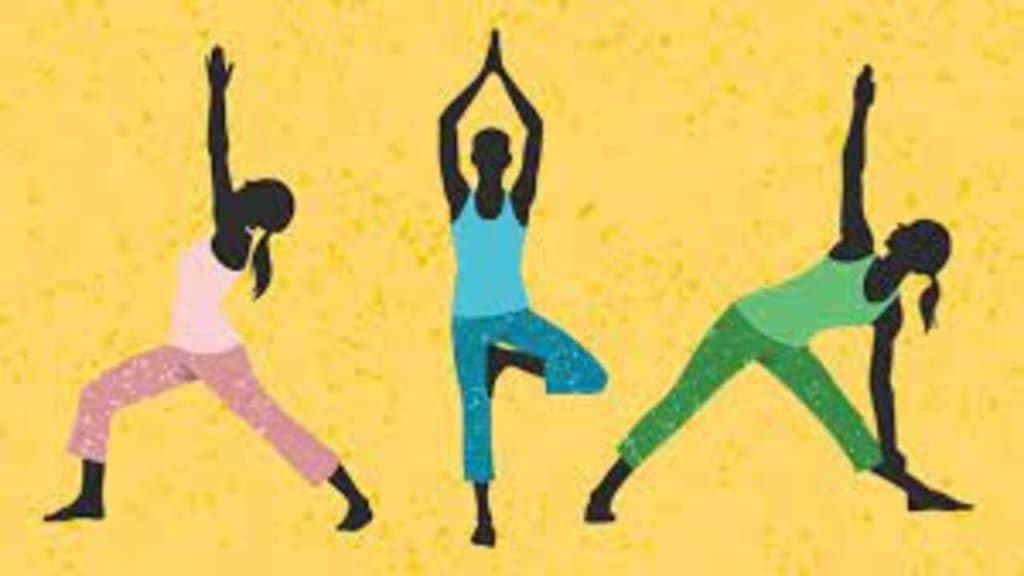
The word "yoga" comes from the Sanskrit word "yuj," which means to unite or join together. In the context of yoga, this refers to the union of the body, mind, and spirit.
Yoga is a 5,000-year-old physical, mental, and spiritual discipline that has its roots in India. It is a multifaceted, holistic approach to health and wellness that includes postures, breathing exercises, and meditation, among other practises. Yoga has changed and grown throughout the decades, becoming a well-liked form of exercise and stress reduction for individuals of all ages and fitness levels.
Yoga is much more than just a form of exercise. It is a lifestyle that promotes self-awareness, inner peace, and a sense of connectedness to the world around us. Whether you're looking to improve your physical health, reduce stress, or simply find a sense of balance and peace, yoga offers a range of benefits that can be experienced by people of all ages and fitness levels.
a. Brief history of yoga
Yoga has its roots in ancient India, where it is thought to have originated over 5,000 years ago. The early practices of yoga were passed down orally from teacher to student, and it wasn't until the 11th or 12th century that the first written text on yoga, the Yoga Sutras of Patanjali, was compiled. This text outlines the eight limbs of yoga, which serve as a roadmap for spiritual growth and self-awareness.
Over the centuries, yoga has spread and evolved, taking on different forms and practices in different regions. It wasn't until the late 19th and early 20th centuries that yoga began to gain popularity outside of India, thanks in part to the efforts of Indian yogis who traveled to the West to share their knowledge and practices.
Today, yoga is practiced all over the world and is widely recognized as a form of exercise, stress relief, and spiritual growth.
The core principles of yoga remain largely unchanged. It is still a holistic approach to health and wellness that seeks to unite the body, mind, and spirit, and it is still considered one of the most effective ways to promote physical, mental, and spiritual well-being.
b. Benefits of yoga
- Physical benefits
- Mental benefits
- Spiritual benefits
- Increased mindfulness
- Improved breathing
Physical benefits: Yoga can improve flexibility, strength, balance, and posture. It can also help to relieve chronic pain, reduce stress and tension, and increase endurance.
Mental benefits: Yoga is known for its stress-relieving and relaxation benefits, as well as its ability to improve mental clarity, focus, and concentration. It can also help to reduce symptoms of depression and anxiety.
Yoga is renowned for its capacity to reduce stress, promote relaxation, and enhance mental acuity, focus, and attention. Additionally, it can aid in easing anxiety and depression symptoms.
Spiritual benefits: For many people, yoga is a spiritual practice that provides a sense of inner peace and helps to connect with the self and the universe. It can also help to increase self-awareness and personal growth.
Increased mindfulness: Yoga encourages mindfulness and awareness of the present moment. This can lead to greater focus and decreased stress, as well as improved overall well-being.
Yoga promotes attention and present-moment awareness. Greater focus, less stress, and an improvement in general wellbeing can result from this.
Improved breathing: Yoga emphasizes the importance of breathing and teaches techniques to improve breathing patterns. This can lead to improved oxygen flow, decreased stress, and feel better overall health.
II. Physical Benefits of Yoga
Improved flexibility and balance
In addition to improved flexibility and balance, there are several other physical benefits of yoga.
Increased Strength: Many yoga poses require the use of multiple muscle groups, which can lead to increased strength and tone. Over time, this can result in improved posture and reduced risk of injury.
Improved Posture: Yoga can help to improve posture by strengthening the muscles that support good posture and by increasing awareness of body alignment.
Reduced Stress and Tension: The physical and breathing techniques used in yoga can help to reduce stress and tension in the body, leading to decreased pain and improved physical function.
Improved Endurance: Certain types of yoga, such as vinyasa or power yoga, can be physically demanding and can help to improve endurance over time.
Improved Cardiovascular Health: Some types of yoga, such as power yoga or ashtanga, can provide a cardiovascular workout, helping to improve heart health and reduce the risk of heart disease.
Improved Respiratory Function: Yoga's focus on breathing can help to improve respiratory function and reduce the symptoms of respiratory conditions such as asthma.
Improved Sleep: The physical and mental benefits of yoga can help to improve sleep quality and reduce symptoms of insomnia.
These are just a few of the many physical benefits of yoga. Regular practice can lead to improved physical health, reduced risk of injury, and overall improved well-being.
A. Increased strength and muscle tone
Increased strength and muscle tone are two of the physical benefits of yoga.
Increased Strength: Yoga can help to build strength by engaging multiple muscle groups at once. Certain poses, such as plank, downward-facing dog, and warrior II, can be especially effective in building strength. Over time, regular yoga practice can lead to improved muscle tone and overall physical strength.
Improved Muscle Tone: Many yoga poses require the use of resistance, which can lead to improved muscle tone and definition. Additionally, the slow and controlled movements used in yoga can help to build lean muscle mass and improve overall physical appearance.
It is important to note that while yoga can help to build strength and muscle tone, it is not a substitute for weightlifting or other strength training exercises. However, it can be a complementary addition to a well-rounded fitness routine.
B. Reduced stress and improved posture
Reduced Stress: Yoga can help to reduce stress by promoting relaxation and calming the mind and body. Certain yoga poses, such as child's pose or downward-facing dog, can be especially effective in reducing stress. Additionally, the slow and controlled movements and deep breathing techniques used in yoga can help to reduce tension in the body and promote overall relaxation.
Improved Posture: Yoga can help to improve posture by strengthening the muscles that support good posture and by increasing awareness of body alignment. Certain yoga poses, such as mountain pose or upward-facing dog, can be especially effective in improving posture. Improved posture can lead to reduced stress on the joints, improved physical appearance, and increased confidence.
These benefits can help to improve overall physical and mental well-being and lead to a more balanced and fulfilling life.
III. Mental and Emotional Benefits of Yoga
A. Reduced anxiety and depression
Reduced anxiety and depression are two of the many mental and emotional benefits of yoga.
Reduced Anxiety: Yoga has been shown to reduce symptoms of anxiety by promoting relaxation and calming the mind and body. Certain yoga poses, such as child's pose or legs up the wall, can be especially effective in reducing anxiety. Additionally, the deep breathing techniques used in yoga can help to slow the heart rate and reduce feelings of stress and anxiety.
Reduced Depression: Yoga has also been shown to reduce symptoms of depression by improving mood, reducing stress, and promoting feelings of well-being. The physical and mental benefits of yoga can help to boost self-esteem, increase feelings of happiness, and improve overall quality of life.
It is important to note that while yoga can be a helpful complementary treatment for anxiety and depression, it should not be used as a substitute for medical treatment or therapy. However, when combined with conventional treatment, it can be a powerful tool in the management of these conditions.
A. Improved focus and concentration
Improved focus and concentration are two of the mental benefits of yoga.
Improved Focus: Yoga can help to improve focus by promoting mindfulness and reducing distractions. The slow and controlled movements and deep breathing techniques used in yoga can help to calm the mind and improve focus and concentration.
Increased Concentration: The mindfulness and self-awareness promoted by yoga can also help to increase concentration and focus. The practice of holding poses and focusing on breathing can help to train the mind to stay present and focused, leading to improved concentration both on and off the mat.
These benefits can be especially helpful for individuals who struggle with focus and attention, such as those with ADHD or who work in high-stress environments. Regular yoga practice can help to improve overall mental clarity and focus, leading to improved productivity and overall well-being.
B. Increased self-awareness and body-mind connection
Increased self-awareness and body-mind connection are two of the mental benefits of yoga.
Increased Self-Awareness: Yoga encourages mindfulness and self-reflection, helping to increase self-awareness and promote personal growth. By focusing on the present moment and becoming more attuned to one's thoughts, feelings, and physical sensations, individuals can gain a deeper understanding of themselves and their motivations.
Improved Body-Mind Connection: The slow and controlled movements and deep breathing techniques used in yoga can help to improve the connection between the body and mind. This connection can lead to increased awareness of physical sensations and emotions, and can also help to reduce physical and emotional stress.
These benefits can help to promote a more balanced and fulfilling life by improving overall self-awareness and promoting personal growth. Regular yoga practice can also lead to a greater understanding of the mind-body connection and improved physical and emotional well-being.
IV. Different Types of Yoga
There are many different types of yoga, each with its own unique focus and benefits. Here are some of the most popular styles:
A. Hatha Yoga
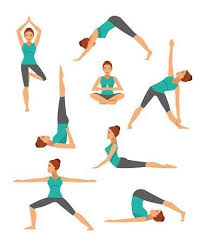
Hatha yoga is a type of yoga that emphasizes physical postures (asanas) and breathing exercises (pranayama). The word "hatha" is derived from two Sanskrit words "ha" which means "sun" and "tha" which means "moon." Hatha yoga is considered a balancing practice that aims to bring balance and harmony to the opposing forces within the body and mind.
Hatha yoga is a good choice for beginners as it is generally slow-paced and less physically demanding than other styles of yoga. It focuses on the basics of yoga, including proper alignment in each pose, breathing techniques, and relaxation. The practice of Hatha yoga can help to improve physical flexibility, increase strength and muscle tone, reduce stress, and promote a sense of well-being.
Hatha yoga is also a meditative practice, with a focus on quieting the mind and promoting inner peace. The combination of physical postures, breathing exercises, and meditation can help to create a harmonious balance between the body and mind, leading to improved physical and mental health.
a. Vinyasa Yoga
Vinyasa yoga is a dynamic style of yoga that emphasizes movement and breath. The word "vinyasa" means "to place in a special way," and in the context of yoga, it refers to the fluid, flowing movements that link one yoga posture to the next.
Vinyasa yoga is often described as a "moving meditation" as the smooth, continuous movements are synchronized with the breath to create a flowing and meditative practice. The emphasis on movement and breath makes vinyasa yoga a physically demanding style, and it is often considered a more athletic form of yoga.
The practice of vinyasa yoga can help to improve physical strength and flexibility, increase cardiovascular endurance, reduce stress, and improve overall physical and mental well-being. It is also a great way to build heat in the body, which can help to detoxify the body and improve circulation.
Vinyasa yoga is a popular style of yoga, and it is well-suited for individuals who enjoy a fast-paced, physically demanding practice. However, it can also be adapted for individuals of all fitness levels, making it accessible to people of varying ages and abilities.
B. Iyengar Yoga
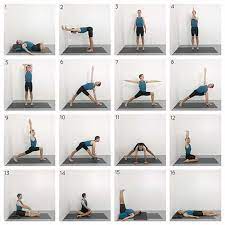
Iyengar yoga is a type of yoga that emphasizes proper alignment and the use of props, such as blocks, straps, and blankets, to help individuals achieve proper form in each pose. The style was developed by B.K.S. Iyengar and is known for its focus on precision and alignment in each posture.
In Iyengar yoga, postures are held for longer periods of time, allowing the practitioner to focus on proper alignment and to deepen their understanding of each pose. The use of props helps individuals to safely and effectively perform each posture, regardless of their physical ability.
Iyengar yoga is considered a therapeutic form of yoga, as it can help to alleviate various physical and mental conditions, such as back pain, stress, and depression. The practice of Iyengar yoga can also help to improve physical strength and flexibility, increase body awareness, and promote overall physical and mental well-being.
Iyengar yoga is a good choice for individuals who are looking for a safe and effective way to improve their physical and mental health, or who are looking for a style of yoga that emphasizes proper alignment and the use of props.
C. Restorative Yoga
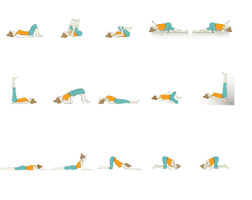
Restorative yoga is a type of yoga that emphasizes relaxation and the use of props, such as blankets, blocks, and bolsters, to support the body in each posture. The focus of restorative yoga is to create a state of deep relaxation and release tension in the body.
In restorative yoga, postures are typically held for longer periods of time, with the use of props to support the body and allow the muscles to fully relax. The slow pace and focus on relaxation make restorative yoga a calming and meditative practice that can help to reduce stress, improve sleep, and boost the immune system.
Restorative yoga is a good choice for individuals who are looking for a gentle and calming form of yoga, or who are dealing with stress, anxiety, or physical exhaustion. It is also a good option for individuals who are recovering from injury or illness, as the use of props allows for a safe and supportive practice.
Overall, restorative yoga is a great way to quiet the mind, release tension in the body, and promote a sense of physical and emotional well-being.
V. Tips for Getting Started with Yoga
A. Finding a class or teacher
Finding the right class or teacher can greatly enhance your yoga experience and help you to achieve your goals. Here are some tips for finding a class or teacher that is right for you.
Ask for recommendations: Ask friends, family, or co-workers who practice yoga for recommendations on classes or teachers.
Research local studios: Look for local yoga studios or gyms that offer yoga classes and read reviews to get a sense of the quality of the classes and instructors.
Check credentials: Make sure that the instructor is qualified and certified in yoga instruction. You can check the Yoga Alliance website for a list of registered yoga schools and teachers.
Observe a class: If possible, observe a class before signing up to make sure that the teaching style and level of difficulty is a good fit for you.
Consider cost: Yoga classes can vary greatly in cost, so it's important to find a class or teacher that fits within your budget. Some studios offer introductory deals or discounts for new students.
Look for a supportive environment: Find a class or teacher who creates a supportive and inclusive environment where you feel comfortable and encouraged.
Try multiple classes: Don't be afraid to try different classes or teachers until you find one that is the right fit for you.
By following these tips, you can find a class or teacher that will help you to get the most out of your yoga practice and achieve your goals.
B. Starting with beginner classes
Starting with beginner classes is a great way to get a solid foundation in the basics of yoga. Here are some tips for getting the most out of beginner classes:
Be open-minded: Approach each class with an open mind and be willing to learn and grow. Remember that everyone starts as a beginner and it takes time to build strength, flexibility, and skill in yoga.
Be patient: Don't expect to master complex postures right away. Take your time and focus on the basics, and gradually build up to more advanced poses.
Listen to your body: Pay attention to your body and avoid pushing yourself too hard. If you experience any pain or discomfort, stop the pose and rest.
Ask questions: If you are unclear about a posture or technique, don't hesitate to ask the teacher for clarification.
Focus on your breath: The breath is an important part of yoga, and it can help to reduce stress and calm the mind. Focus on your breath during your practice and try to maintain a steady, even breath throughout.
Take it at your own pace: Yoga is a personal practice, and it's important to move at a pace that feels comfortable and safe for you. Don't compare yourself to others in the class and focus on your own progress.
Practice regularly: Regular practice is key to seeing results from your yoga practice. Try to attend beginner classes as often as you can and gradually increase your practice time as you become more comfortable.
By following these tips, you can get the most out of your beginner yoga classes and lay a strong foundation for your future practice.
C. Building a home practice
Building a home yoga practice can be a great way to complement your classes and deepen your understanding of yoga. Here are some tips for building a successful home practice:
Set aside dedicated time: Decide on a regular time each day or week to practice yoga at home, and stick to that schedule as much as possible.
Create a space: Dedicate a quiet, comfortable space in your home for your yoga practice. Make sure that the space is free from distractions and set up any props or equipment you may need.
Use a guide: Use a yoga video, app, or book to guide your practice. This can help you to stay focused and on track, especially if you are new to yoga.
Start with a warm-up: Begin each practice with a few minutes of deep breathing and gentle stretching to warm up your muscles and prepare your body for yoga.
Focus on your breath: The breath is an important part of yoga, and it can help to reduce stress and calm the mind. Focus on your breath during your practice and try to maintain a steady, even breath throughout.
Modify the poses: If you are unable to perform a pose due to injury or limited flexibility, modify the pose or skip it altogether. It's more important to listen to your body and move at a pace that feels safe and comfortable for you.
Make it a habit: The more you practice yoga at home, the easier it will become. Try to make yoga a daily or weekly habit and incorporate it into your routine.
By following these tips, you can build a successful and fulfilling home yoga practice that complements your classes and supports your overall wellness.
D. Staying motivated and finding a style that works for you
Staying motivated and finding a style of yoga that works for you are both important factors in maintaining a consistent practice. Here are some tips to help you stay motivated and find a style that suits you:
Set realistic goals: Set achievable goals for your yoga practice, such as attending a class once a week or practicing at home for 15 minutes each day. Celebrate your successes and adjust your goals as needed.
Mix it up: Try different styles of yoga and experiment with different types of classes and teachers to find what works best for you. You may find that you enjoy the physical challenge of a vinyasa class, or the mindfulness of a restorative class.
Make it enjoyable: Make your yoga practice enjoyable by finding ways to incorporate things you enjoy into your practice. For example, listen to music or light candles to create a relaxing atmosphere.
Connect with others: Consider practicing with a friend, joining a yoga community, or participating in yoga workshops to connect with others who share your interest in yoga.
Find a teacher you like: A good teacher can make a big difference in your yoga practice. Look for a teacher who is knowledgeable, supportive, and has a teaching style that you enjoy.
Be consistent: Consistency is key to seeing results from your yoga practice. Try to make yoga a regular part of your routine and make it a priority, even on days when you may not feel like practicing.
By following these tips, you can stay motivated and find a style of yoga that works for you. Remember that yoga is a personal practice and what works for one person may not work for another. Keep an open mind and enjoy the journey of finding what works best for you.
VI. Conclusion
In conclusion, yoga is a holistic practice that offers numerous physical, mental, and emotional benefits. From improved flexibility and strength to reduced stress and increased self-awareness, there are many reasons to start a yoga practice.
There are many different types of yoga, each with its own unique style and focus, so it is important to find a style that works for you. Whether you choose to attend classes or build a home practice, starting with beginner classes and finding a teacher you like can help you get the most out of your yoga experience.
With consistency and an open mind, yoga can become an integral part of your overall wellness routine, providing physical, mental, and emotional benefits that can last a lifetime.
A. Recap of the benefits of yoga
Yoga is a holistic practice that offers numerous physical, mental, and emotional benefits. Some of the key benefits of yoga include:
Physical Benefits:
- Improved flexibility and balance
- Increased strength and muscle tone
- Reduced stress and improved posture
Mental and Emotional Benefits:
- Reduced anxiety and depression
- Improved focus and concentration
- Increased self-awareness and body-mind connection
Yoga is a versatile practice that can be tailored to meet the individual needs and goals of each practitioner. Whether you are looking to improve your physical health, reduce stress, or connect with your inner self, yoga is a powerful tool that can help you achieve your goals and improve your overall wellbeing.
B. Encouragement to try yoga and find a practice that works for you
I highly encourage you to try yoga and find a practice that works for you. Yoga is a versatile and holistic practice that offers numerous physical, mental, and emotional benefits. Whether you are looking to improve your flexibility, reduce stress, or connect with your inner self, there is a style of yoga that can meet your needs and help you achieve your goals.
Starting a yoga practice can be as simple as finding a beginner class or a teacher you like, or building a home practice using online resources or videos. The key is to be consistent, stay motivated, and find a style of yoga that resonates with you.
Remember that yoga is a personal practice and what works for one person may not work for another. Keep an open mind, experiment with different styles and teachers, and enjoy the journey of finding what works best for you. With time and commitment, you can develop a fulfilling and rewarding yoga practice that provides physical, mental, and emotional benefits that last a lifetime.
C. Final thoughts and resources for further exploration
yoga is a versatile and holistic practice that offers numerous physical, mental, and emotional benefits. Whether you are new to yoga or have been practicing for years, there is always more to explore and discover.
Here are some resources for further exploration:
Books: "Light on Yoga" by B.K.S. Iyengar and "The Heart of Yoga" by T.K.V. Desikachar
Websites: Yoga Journal, DoYogaWithMe, Yoga International
Online classes and workshops: YogaGlo, Yogaworks, AloMoves
Local yoga studios and community centers: Many cities and towns offer yoga classes and workshops, and many of these classes are available for all levels.
In the end, the best way to learn about yoga is to simply start practicing. Find a teacher or style that you like, be consistent and open-minded, and enjoy the journey. With time and dedication, you can develop a rewarding and fulfilling yoga practice that provides physical, mental, and emotional benefits that last a lifetime.
About the Creator
Enjoyed the story? Support the Creator.
Subscribe for free to receive all their stories in your feed.
Comments
There are no comments for this story
Be the first to respond and start the conversation.