
Why You Shouldn’t Pop Your Pimples?
Treating Pimples Naturally

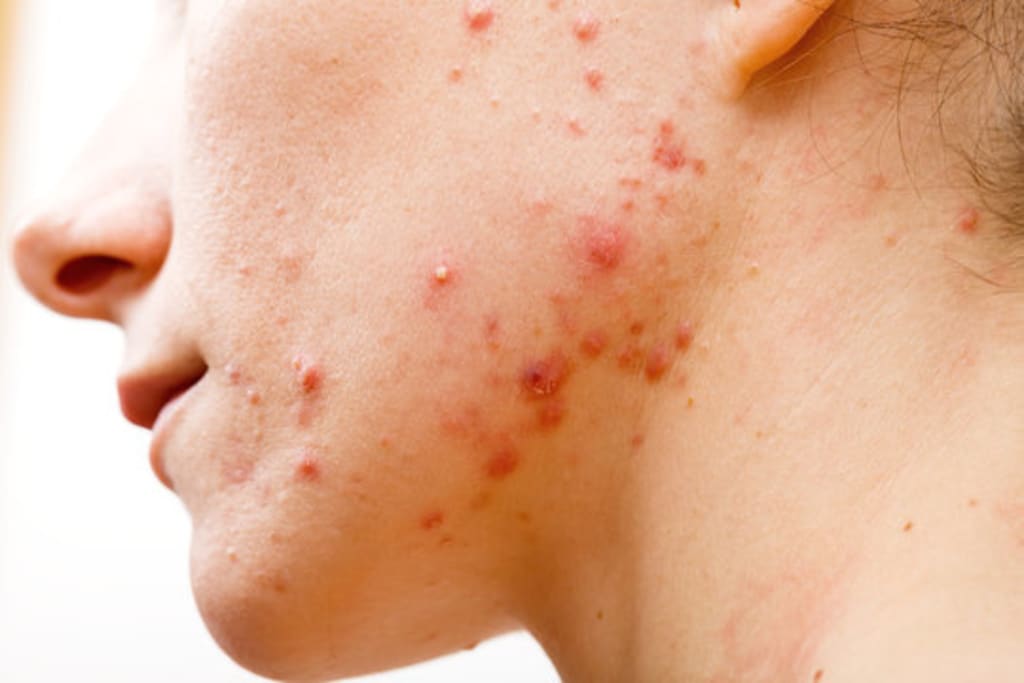
Why You Shouldn’t Pop Your Pimples?
Whenever a pimple rears its ugly white head the best thing you can do is leave it alone. Pop it and you'll release a flood of infection that could spawn more pimples here's how pimples are bulging bags of oil and bacteria under the skin to have nowhere to go normally these bags contain oil secreting glands called sebaceous glands You have the most sebaceous glands on your face and scalp. Oil moves out of the glands and up through your pores to lubricate and waterproof your skin and hair but sometimes dead skin cells and bacteria get inside the pores clogging them up with nowhere to go. The oil builds up around the glands like an expanding water balloon. It pushes against the skin's surface which causes redness swelling and pain. Popping the pimple can relieve the pain but doing so only wins the battle not the war. According to dermatologists Michelle Rodriguez at St. Vincent's Hospital Melbourne squeezing it can result in these contents being pushed into surrounding skin making the problem worse. It can also lead to infection and temporary darkening of the skin in that area. Also squeezing will further irritate your already inflamed skin. If the inflammation gets too bad it could lead to scarring. Acne is the most common skin disease according to the National Institute of Health. Approximately 80% of people ages 11 to 30 suffer from occasional acne outbreaks. So what's the best way to beat the blemishes? Patience, if you resist the urge to squeeze pimples will usually resolve over a week or so without scarring.
Natural Cures for Pimples
Disclaimer: While many of these remedies have been used traditionally, it's essential to remember that individual skin reactions vary. If you have persistent or severe acne, consult a dermatologist.
Effective Natural Remedies
• Tea tree oil: Known for its antibacterial properties, tea tree oil can help reduce acne-causing bacteria. Dilute it with a carrier oil like coconut oil before applying.
• Aloe vera: With soothing and anti-inflammatory properties, aloe vera gel can help calm irritated skin and reduce redness.
• Apple cider vinegar: Contains antibacterial and anti-inflammatory properties. Dilute it with water before applying to the skin.
• Honey: Possesses antibacterial and humectant properties, helping to hydrate and soothe the skin.
• Witch hazel: An astringent that can help tighten pores and reduce inflammation.
Other Helpful Tips
• Cleanse regularly: Use a gentle cleanser to remove dirt and oil without over-drying your skin.
• Exfoliate gently: Remove dead skin cells with a gentle exfoliator to prevent clogged pores.
• Maintain a healthy diet: Incorporate plenty of fruits, vegetables, and whole grains into your diet.
• Manage stress: Practice relaxation techniques like meditation or yoga to reduce stress, as it can contribute to acne.
• Get enough sleep: Adequate sleep helps in skin repair and regeneration.
Homemade Face Masks
• Honey Mask:
• Apply raw honey directly to pimples or mix it with a little cinnamon for added antibacterial properties.
• Leave on for 15-20 minutes, then rinse off.
• Benefits: Antibacterial, moisturizing, soothes inflammation.
• Aloe Vera Gel Mask:
• Apply pure aloe vera gel directly to pimples.
• Leave on for 15-20 minutes, then rinse off.
• Benefits: Hydrates, soothes inflammation, promotes healing.
• Turmeric Mask:
• Mix turmeric powder with yogurt or honey to form a paste.
• Apply to pimples, leave on for 15-20 minutes, then rinse off.
• Benefits: Anti-inflammatory, antibacterial.
• Clay Mask:
• Mix bentonite or kaolin clay with water or rose water to form a paste.
• Apply to the affected area, let it dry, then rinse off.
• Benefits: Absorbs excess oil, helps with inflammation
Remember: Consistency is key when using natural remedies. It may take several weeks to notice significant improvement. If you experience any adverse reactions, discontinue use and consult a dermatologist.
About the Creator
Enjoyed the story? Support the Creator.
Subscribe for free to receive all their stories in your feed.
Comments
There are no comments for this story
Be the first to respond and start the conversation.