
Why Tooth Extraction Is Sometimes the Best Option
Understanding When Removing a Tooth Can Protect Your Oral Health

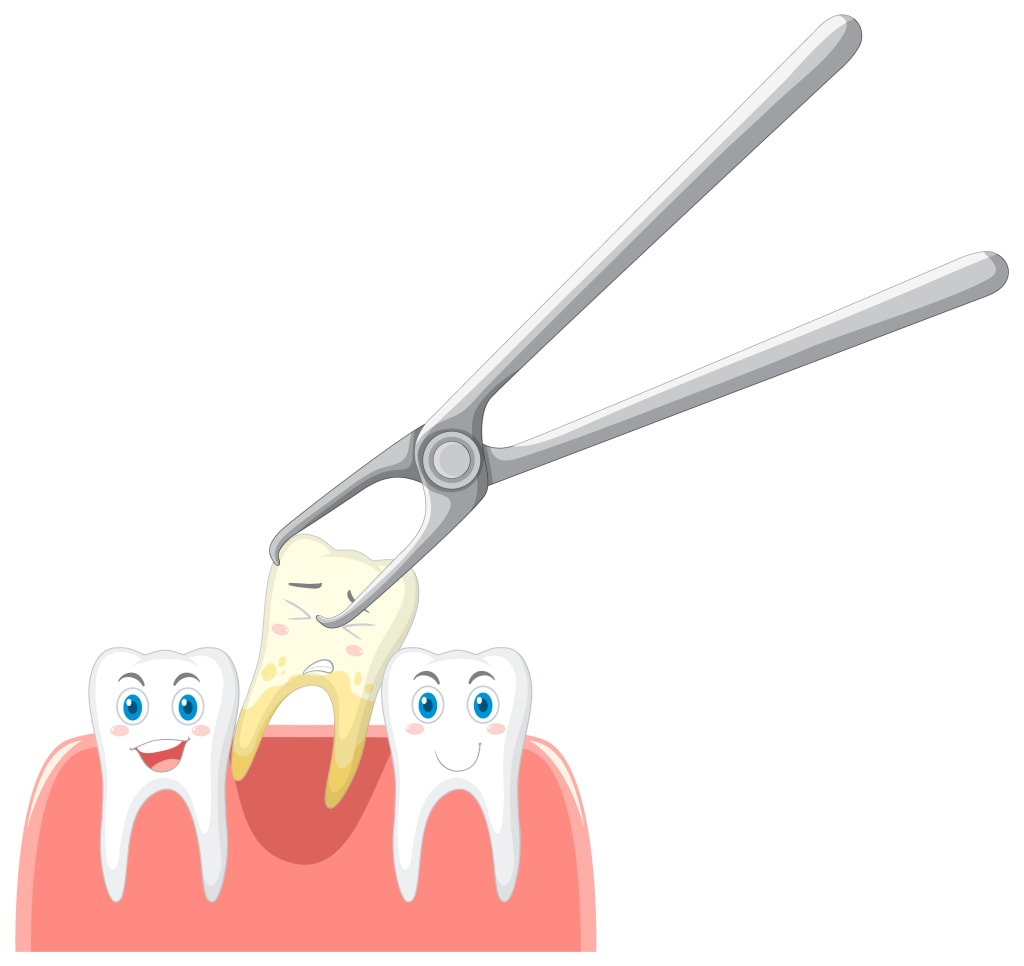
Most people want to keep their natural teeth for life—and that’s usually the goal of modern dentistry. However, there are situations where saving a tooth could do more harm than good.
When such occurs, your dentist may prescribe the removal of the tooth to help maintain your good oral health. While the thought of losing a tooth can feel daunting, sometimes removal is the best path toward a healthier, pain-free smile.
Common Reasons for Tooth Extraction
Tooth extraction is never a decision taken lightly. Dentists explore all possible alternatives before recommending it.
Here are some of the most common reasons why extraction becomes necessary:
1. Severe Tooth Decay or Infection
Root canal treatment may not be sufficient when decay goes deep into the tooth and destroys the nerve to the extent that it can no longer be repaired. A removal can stop the transmission of infection to other neighbouring teeth and bodily organs.
2. Advanced Gum Disease
Gum disease (periodontitis) can weaken the structures supporting your teeth, including bone and ligaments. If a tooth becomes loose due to significant bone loss, extraction may be the only option.
3. Impacted Wisdom Teeth
Wisdom teeth may be captured beneath the gum or may develop on an angle and press against other teeth. Impacted wisdom teeth often cause pain, swelling, and infection, making extraction the safest solution.
4. Overcrowding
In orthodontic cases, removing one or more teeth might be necessary to create space for proper alignment. This helps prevent teeth from shifting back after braces or aligner treatment.
5. Broken or Fractured Teeth
A tooth broken below the gum line or shattered into multiple pieces may be beyond repair, leaving extraction as the most practical choice.
6. Preparation for Certain Treatments
Some medical treatments, such as radiation therapy to the head and neck, may require removing teeth that are at risk of infection.
The Benefits of Timely Extraction
Delaying an extraction when it’s needed can lead to further complications. Here are a few benefits of addressing the issue promptly:
- Pain Relief: Extracting a badly broken or severely infected tooth can help alleviate chronic pain.
- Prevention of Spread: Extracting an infected tooth can stop bacteria from spreading to other areas of the mouth and body.
- Improved Oral Health: Addressing overcrowding or impacted teeth can enhance bite alignment and reduce strain on remaining teeth.
- Facilitated Treatment: Extraction can open the door to improved orthodontic and restorative dental practice.
What to Expect During the Procedure
Removal of a tooth is one of the most typical dental procedures, and your dentist will also make efforts to make it comfortable:
- Examination and X-Rays: Your dentist will analyse the teeth and the bone around them to determine the safest way to remove the tooth.
- Anaesthesia: Local anaesthesia will numb the area to prevent pain during the procedure. For complex cases, sedation may be used.
- Extraction: The location of the tooth will determine whether your dentist will carry out a simple or a surgical extraction.
- Aftercare Instructions: You will be given in-depth instructions aimed at facilitating healing and at avoiding complications, including dry socket.
Recovery and Aftercare Tips
Healing after an extraction usually takes a few days to a week. Here’s how you can support the process:
- Bite gently on gauze to control bleeding.
- Apply ice packs to reduce swelling.
- Take prescribed medicines as directed.
- During the first 24 hours, do not smoke or drink through a straw, and do not eat any hard foods.
- Maintain the cleanliness of the area by gently rinsing it using warm salt water on the first day.
Alternatives to Extraction
Dentists generally prefer to save a tooth whenever possible. Treatments like root canals, crowns, and periodontal therapy can sometimes restore damaged teeth.
However, if these options won’t solve the problem or could lead to further complications, extraction remains the most effective choice.
Looking Ahead: Replacing an Extracted Tooth
If you lose a tooth that’s visible or important for chewing, your dentist will likely discuss replacement options, such as:
- Dental Implants: A long-term, natural-looking solution.
- Bridges: Restores the gap by anchoring to neighbouring teeth.
- Dentures: Missing teeth can be replaced by partial or full dentures.
Replacing a missing tooth helps maintain your facial structure, prevents shifting of remaining teeth, and supports proper chewing and speech.
Final Thoughts
While tooth extraction may sound intimidating, it can be the most beneficial choice in certain circumstances. By removing a problematic tooth, you can protect your overall oral health, prevent complications, and pave the way for restorative solutions.
Whether you have been recommended or are looking into tooth extraction in Albury, our skilled team is ready to offer you only the best quality of care in the most gentle, professional manner, through consultation and healing. Book your appointment today to discuss your options and take the next step toward a healthier smile.
About the Creator
Kreativ Dental Albury
Kreativ Dental is a patient-friendly dental practice, delivering high-quality dental care to patients of all ages in Albury and the surrounding areas. Call (02) 6021 4171 or visit us at 525 Wilson St, Albury NSW 2640
Enjoyed the story? Support the Creator.
Subscribe for free to receive all their stories in your feed.
Comments
There are no comments for this story
Be the first to respond and start the conversation.