
Why Today’s Housing Market Is Harder on Sellers Than Headlines Suggest
The reality behind today’s housing market is slower sales, tougher negotiations, and buyers unwilling to overpay in a high-rate environment.


Key Takeaways:
- National data often ignores the hyper-local headaches individual homeowners actually face.
- High mortgage rates have created a lock-in effect, freezing inventory and scaring off house hunters.
- Buyers are more defensive than ever, demanding massive repairs and credits before closing.
- Selling in this climate takes aggressive pricing and a total shift in strategy.
National headlines feel like a different world. Reports of record-high home values make a quick payday seem certain, but the ground reality is messier, slower, and far more frustrating than rosy numbers suggest.
Mortgage rates – averaging 6.37% as of May 2026 – have slammed the brakes on the easy sell. Prospective buyers aren't just hesitant; they’ve lost a massive chunk of their purchasing power. What used to be a weekend bidding war has devolved into a month-long grind of hard-nosed negotiations. While affordability has improved slightly from the brutal peaks of last year, the monthly payment on a median-priced home still consumes nearly 30% of the typical household income, a threshold that keeps many qualified families on the sidelines.
The Mirage of High Asking Prices
High list prices mean nothing if nobody can afford the monthly payment. While equity looks great on paper, the pool of qualified buyers is shrinking. There’s a massive gap between expectations and current market performance. A "For Sale" sign might sit for a month before a quiet $20,000 price drop becomes necessary. When borrowing costs hover near 7%, the math stops working for the average family.
National appreciation is slowing to a crawl, with some regions seeing annual gains of less than 1%. This stagnation is a wake-up call for sellers who believe they can still command the unicorn prices of the post-pandemic boom. The landscape is cooling in ways the news clips aren't catching, especially in the South and West, where a surge in new construction has finally given new owners the upper hand.
The Lock-In Trap
Most sellers also need to buy their next home. Trading a 3% rate for a 6.37% mortgage feels like a financial disaster. This lock-in effect keeps people in houses they have outgrown, creating a stalemate where inventory stays low but demand is equally stagnant.
Usually, low inventory is a seller’s dream. Not today. The few buyers left are incredibly picky. They’re paying a premium for that mortgage and expect perfection in return. If a roof is old or a kitchen is dated, they walk. Builders are compounding this pressure by offering brand-new homes with aggressive rate buy-downs, essentially competing directly with existing-home sellers for the few active purchasers remaining in the market.
Defensive Buyer Behavior

In 2021, people waived inspections and bought sight-unseen. Those days are gone. Today’s house hunters feel the weight of every dollar and scrutinize every crack in the driveway.
Re-trading is becoming common – this happens when a hopeful homeowner waits for the inspection report to demand thousands of dollars in credits. Sellers are frequently asked to cover closing costs or pay for rate buy-downs to make the mortgage affordable. These hidden costs turn supposed seller’s markets into neutral territory very quickly. In many cases, these concessions are the only way to keep a deal alive when a borrower’s debt-to-income ratio is stretched to the absolute limit.
The Stigma of a Stalled Listing
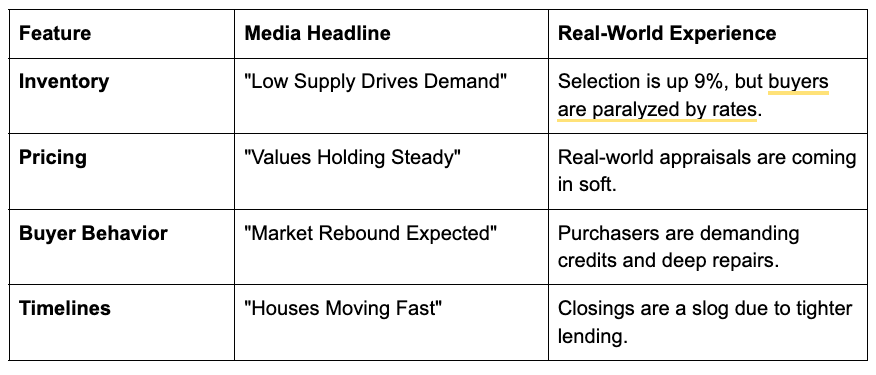
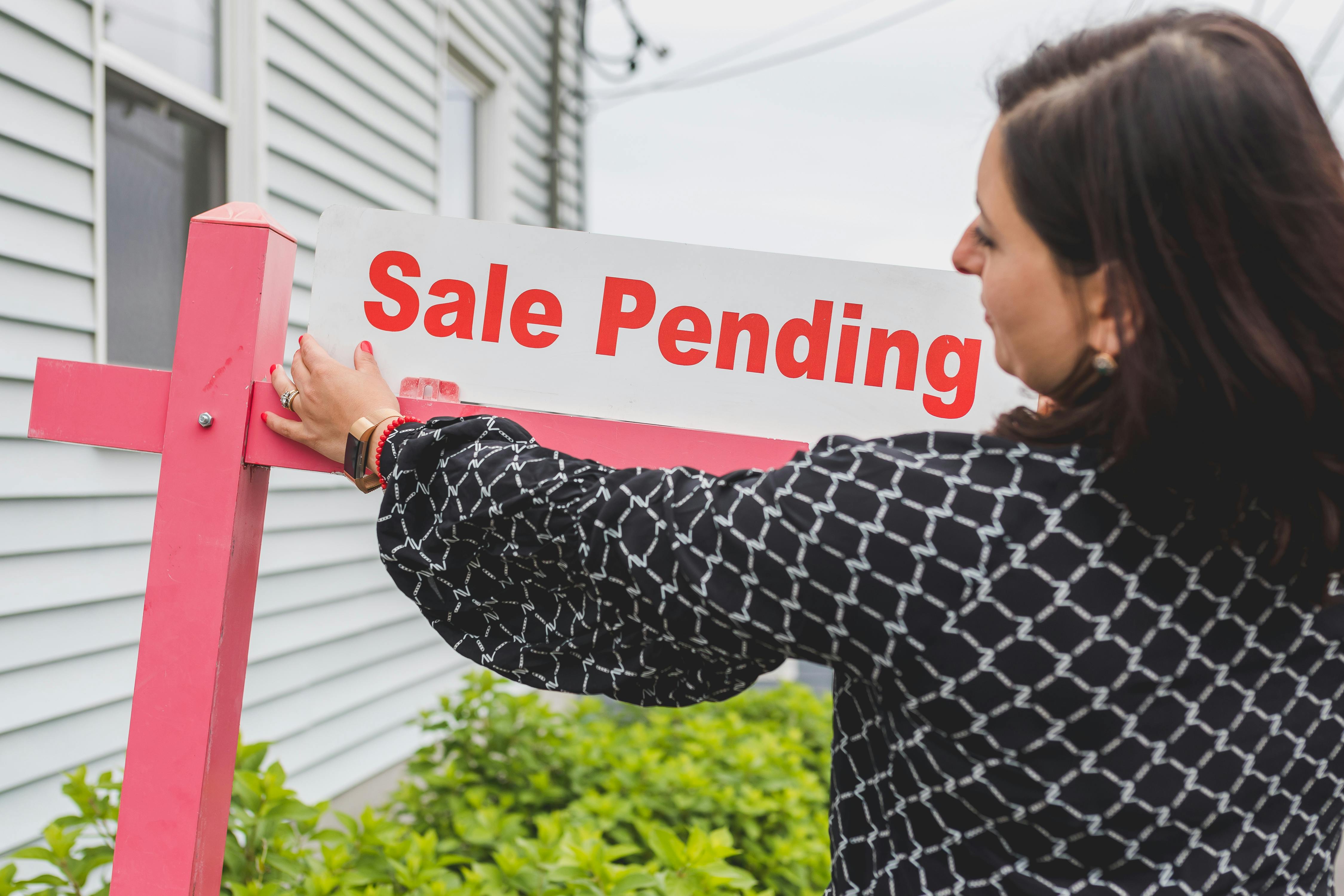
Timelines are stretching. While reports might claim homes sell in 30 days, many listings hit the 60 or 90-day mark. That is when panic sets in, and prospects start wondering what is wrong with the property. Once a listing goes stale, it loses the leverage of initial excitement, forcing the seller into a defensive position.
If the goal is to sell a home quickly, testing the waters with a high price is a dangerous move. An aggressive strategy is required from day one. Market velocity varies by zip code, and those unprepared for a marathon often end up making desperate, lowball concessions at the end. This is particularly true in the middle-to-upper price brackets, where the volume of sales has dropped significantly compared to entry-level homes.
Where Sellers Feel the Pinch
- Financing Fallouts: Loans are falling through as interest levels fluctuate. Even a 0.25% jump mid-escrow can disqualify a buyer.
- Appraisal Gaps: Banks are conservative; if an appraisal comes in low, the seller often has to eat the difference or lose the deal.
- Inspection Games: Minor maintenance issues are being used as leverage to demand huge discounts at the eleventh hour.
- Inventory Stagnation: Middle-market homes are sitting while starter homes move, creating a lopsided landscape.
Comparing the Narrative vs. Reality
Signs in the yard aren't enough. Professional staging and high-end photos are now the bare minimum. A borrower must be convinced the home is worth a 6.4% interest rate. In a world where builders are offering modern amenities and financial incentives, your resale property must stand out as a superior value.
Overpricing kills momentum. Pricing must reflect today’s purchasing power, not that from two years ago. FSBO (For Sale By Owner) attempts are increasingly difficult as contracts become more complex, and navigating them without a licensed agent leads to significant risk. Expert guidance is often the difference between a successful closing and a listing that expires after four months of frustration.
Meeting the Market Where It Is
The gap between housing news and housing reality is huge right now. Rising mortgage rates and the lock-in effect have created a minefield for sellers. To win, you have to stay flexible, price realistically, and be ready for a fight.
Your equity is still there, but getting it out takes more work than it used to. Success in 2026 is about ignoring the noise and focusing on what’s happening in your specific neighborhood. It takes a bit of grit, but the deals are still getting done for those who are prepared to meet the current climate where it actually stands.
About the Creator
Andrew Lemieux
Andrew is a creative writer, poet, and content strategist. He is passionate about literature, food, wine, travel, and sports. In his spare time he enjoys working on home projects and restoring the 1837 Greek Revival he and his wife own.
Enjoyed the story? Support the Creator.
Subscribe for free to receive all their stories in your feed.
Comments
There are no comments for this story
Be the first to respond and start the conversation.