
Why Timely Auto Window Repair Keeps You Safer and Saves You More
Auto Window Repair
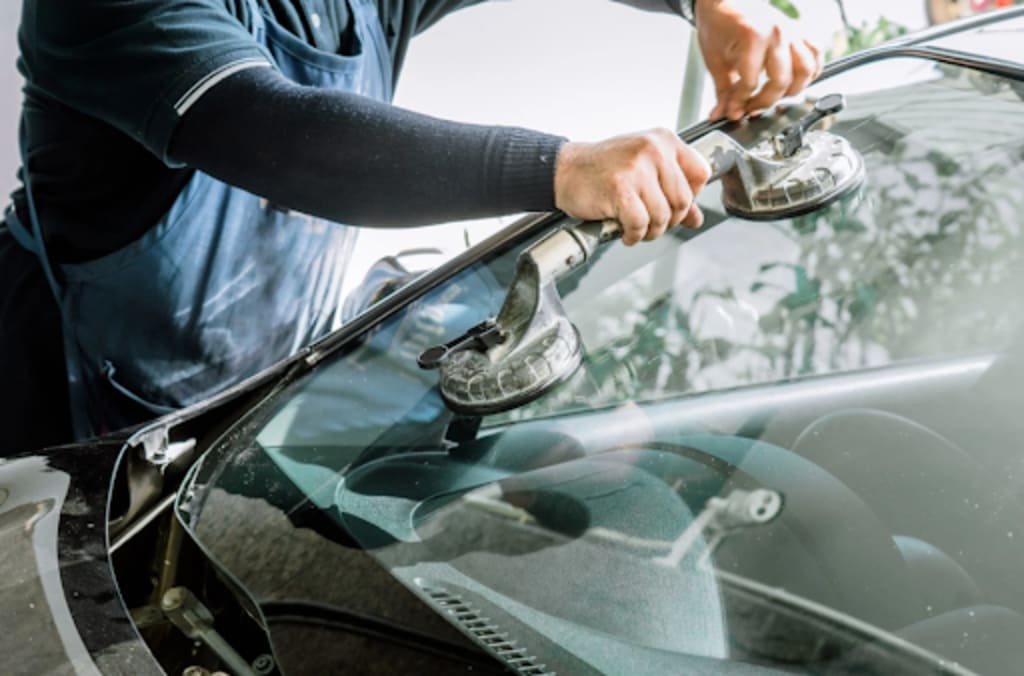
Most drivers treat a windscreen chip the way they treat a slightly flat tyre — something to keep an eye on, deal with later, and probably fine for now. The difference is that a tyre shows obvious signs of worsening. Glass gives no warning. It holds for weeks, sometimes months, and then one cold morning after the heater gets blasted on full, the crack runs edge to edge before the car has left the driveway. Auto window repair is not about fixing something that looks serious. It is about acting before the repair window closes completely.
The Heater Is Often What Finishes It
Here is something most drivers do not know: the inside of a windscreen heats up faster than the outside on a cold morning. The heater pushes warm air directly onto the glass while the outer surface is still at ambient temperature. That temperature difference creates tension in the glass around any existing weakness — a chip, a previous impact point, even a deep scratch. The glass on either side of the weakness tries to expand at different rates, and something has to give. It is not the pothole that finishes most windscreens. It is the Tuesday morning commute in winter.
What the Windscreen Is Actually Holding Together
The airbag on the passenger side does not deploy outward through the dashboard the way people assume. It deploys upward and uses the windscreen as a surface to push against, which redirects the bag into the cabin correctly. A windscreen with structural compromise does not provide that surface reliably. The bag can push the glass outward instead of containing itself in the cabin. This is not a theoretical risk — it is a documented failure mode in crash investigations. Auto window repair carried out promptly keeps the glass in the structural condition that the vehicle's safety system was engineered around.
Why Resin Works and What It Cannot Fix
The resin used in chip repair is not filler. It is an optically matched polymer injected under negative pressure, which pulls it into every part of the break, including microfractures invisible to the naked eye. Once cured under ultraviolet light, it bonds with the laminate and restores load-bearing capacity to the damaged area. What it cannot do is work once moisture has entered the break — which happens faster than most expect, particularly overnight — or once a crack has extended into the driver's direct sightline. Professional auto window repair done within the first day of damage is a different job entirely from the same repair attempted a fortnight later.
The Damage That Looks Minor but Is Not
Edge cracks are consistently underestimated. A crack starting near the windscreen border has already begun in the most structurally vulnerable part of the glass. The bond between glass and seal is under permanent tension from the car body flexing as it moves, and a crack in that zone spreads faster and with less provocation than one in the centre. Drivers who assume edge damage is out of the way and therefore less urgent are usually wrong. Technicians routinely replace windscreens that could have been repaired if the owner had acted on the first sign.
Insurance Timing and What Most People Miss
A windscreen cover sits inside comprehensive policies in a way most drivers never read carefully until they need it. Repair is almost always covered without touching the no-claims discount. Replacement often involves an excess. That distinction disappears the moment repair is no longer possible. Getting damage assessed immediately after it happens — not when it finally forces the issue — is what keeps the cheaper and less disruptive outcome available.
Conclusion
Auto window repair done at the right moment is a fast, straightforward fix. Left beyond that window, the same damage becomes a full replacement, a disrupted diary, and a compromised safety system at the worst possible time. Windscreens fail quietly and then completely. The chip sitting on the to-do list for three weeks is the one that cracks on the way to something important. Catching damage early is not overcaution — it is understanding how glass behaves under conditions every driver encounters daily.
About the Creator
Enjoyed the story? Support the Creator.
Subscribe for free to receive all their stories in your feed.
Comments
There are no comments for this story
Be the first to respond and start the conversation.