
Why Serious Home Brewers Are Switching to a Refurbished Espresso Machine
Serious Home Brewers Are Switching
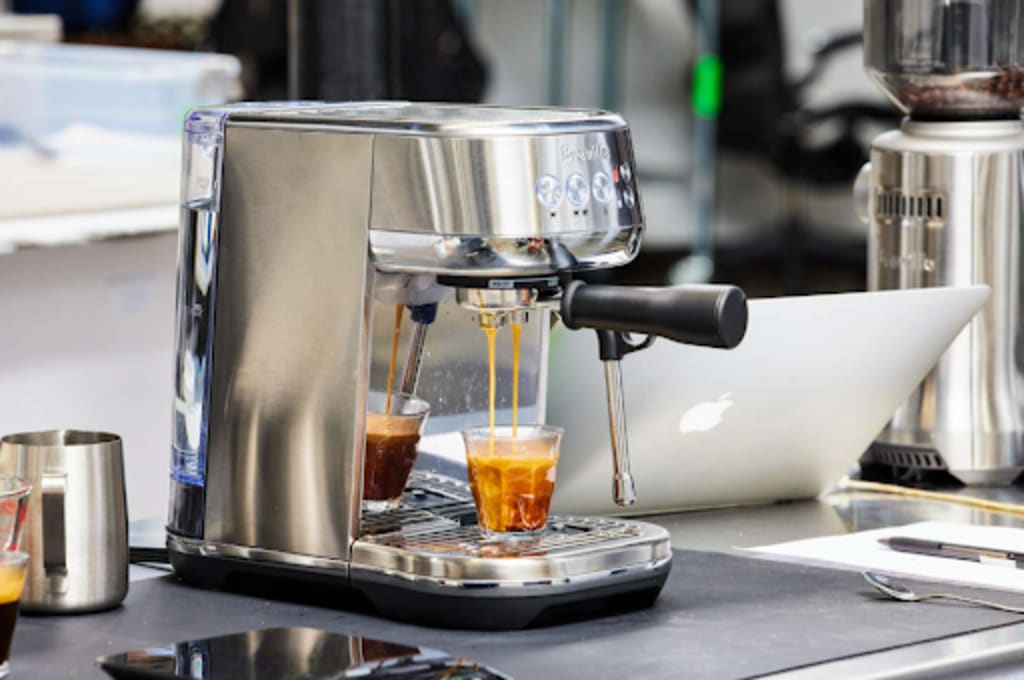
Most home brewers reach a point where the machine they own stops being the problem and starts being the ceiling. The technique improves, the grinder gets upgraded, and the beans get better — but the equipment cannot keep up. Purchasing new equipment at the commercial end of the market seems like a significant investment. What actually sits in that gap and delivers without the full retail outlay is a refurbished espresso machine chosen carefully from the right source.
Refurbishment Is Not a Clean and Rebox Job
The assumption that refurbished means lightly cleaned and repackaged is precisely what keeps people away from the best machines on the market. Genuine refurbishment is a teardown. The group head comes off. Seals, o-rings, and gaskets get replaced regardless of visible wear — because wear on rubber components is not always visible until it fails mid-extraction. Solenoid valves get tested under pressure. Boilers get descaled properly, not rinsed.
A machine that has been through that process properly has received more deliberate attention than most new units get before they leave a factory floor. The difference is not cosmetic. It shows up in how the machine holds temperature and pressure over time.
Commercial Engineering in a Domestic Setting
The boiler is the part that changes the conversation entirely. Café-grade machines — the ones built around dual boilers, rotary pumps, and saturated group heads — are engineered for sustained, punishing daily output. That engineering does not disappear when the machine leaves a café environment. It arrives in a home kitchen and gets asked to produce a fraction of what it was designed to handle.
A refurbished espresso machine from a commercial background running in a home setting is operating well below its designed capacity. Thermal stability alone—something entry-level domestic machines genuinely struggle to deliver—makes a measurable difference in shot consistency. Temperature stability during extraction is one of the least discussed but most impactful variables in home espresso, and commercial-grade boiler systems handle it in a way that single-boiler domestic units simply cannot match.
The Grinder Problem Nobody Mentions
Dropping a high-performance machine into a kitchen without addressing the grinder is one of the most common and most expensive mistakes serious home brewers make. The machine will expose every flaw in an inconsistent grind. Uneven particle distribution, excessive fines, high retention — all of it becomes immediately apparent when the extraction pressure and temperature are finally stable enough to stop masking those variables.
This is not a minor footnote. A quality grinder paired with a properly rebuilt commercial machine will outperform an expensive new domestic setup in almost every measurable way. The refurbished machine makes the grinder conversation unavoidable, which is actually a good thing.
Water Hardness Shortens Machine Life Fast
Australian tap water varies dramatically by region, and most buyers never factor this in. Hard water in cities like Adelaide or Perth accelerates scale formation inside boilers and heat exchangers at a rate that quietly destroys components long before they should need replacing. The machine runs hotter to compensate for insulated scale buildup, seals degrade faster, and pressure consistency drops.
A refurbished espresso machine that has already been rebuilt deserves proper filtration from day one. Inline filters matched to local water hardness protect the boiler, extend service intervals, and improve flavours simultaneously. Skipping this step after investing in quality equipment is a genuine waste.
Vague Refurbishment Claims Are Everywhere
The term 'refurbished' has no regulated definition in Australia. Some sellers replace one part and call it done. Others run a full workshop rebuild with documented component replacement and pressure testing. Buyers need to ask exactly what was replaced, who performed the work, whether pressure testing was done on the boiler, and what warranty coverage applies. A seller doing the job properly will answer every one of those questions clearly and without hesitation.
Conclusion
The limit that most home brewers hit is rarely about their skill it is about the equipment not being able to deliver what they want. A refurbished espresso machine, sourced from a rebuilder removes that limit without the full cost of brand-new commercial equipment. The performance is real the longevity is genuine. The gap, between what serious home espresso requires and what these machines deliver is smaller than most buyers expect.
About the Creator
Enjoyed the story? Support the Creator.
Subscribe for free to receive all their stories in your feed.
Comments
There are no comments for this story
Be the first to respond and start the conversation.