
Why Clear Aligners Are the Modern Marvel Choice for Teeth Straightening
Master the Choice for Teeth Straightening with Custom Clear

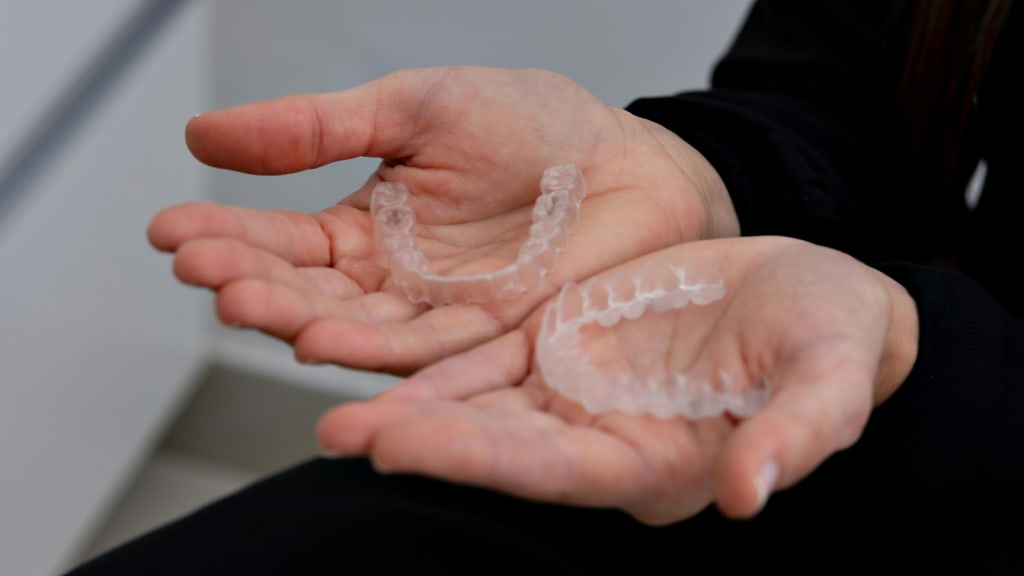
In today’s world, choosing the right orthodontic solution can feel overwhelming. This comprehensive guide unpacks why clear aligners have become the leading choice for teeth straightening, covering market trends, real‑world benefits, step‑by‑step treatment, timelines, cost breakdowns, pain relief strategies, and answers to your most pressing questions. By the end, you’ll understand precisely why clear aligners stand out as the modern marvel in orthodontics and how to navigate every stage of your smile‑transformation journey.
1. Market Trends: Why Clear Aligners Are Dominating
Clear aligners have surged in popularity, becoming the premier choice for teeth straightening worldwide.
- In 2025, the global clear aligners market reached $4.49 billion and is projected to grow to $16.11 billion by 2032 at a CAGR of 20.0%.
- Another analysis estimates the market at $8.51 billion in 2025, expanding to $94.84 billion by 2034, with a blistering CAGR of 30.72%.
- North America alone accounted for over $3.70 billion in 2024, underscoring the region’s rapid adoption.
Moreover, rising aesthetic expectations and advances in 3D‑printing technology have cemented clear aligners as the choice for teeth straightening among adults and teens alike. Consequently, practitioners invest heavily in aligner systems, ensuring patients enjoy faster, more comfortable treatments.
2. Core Benefits of Clear Aligners
2.1 Discreet Aesthetics
Clear aligners are virtually invisible. They are crafted from transparent, medical‑grade polymers that blend seamlessly with teeth. This discretion makes them the top choice for teeth straightening among professionals and image‑conscious adults.
2.2 Comfort and Custom Fit
Each aligner tray is custom‑fabricated using precise 3D scans and modeling, ensuring a snug yet gentle fit. Unlike metal braces, aligners lack wires or brackets, eliminating everyday irritations and mouth sores.
2.3 Oral Hygiene and Dietary Freedom
Because trays are removable, brushing and flossing remain straightforward, which reduces plaque buildup and the risk of gum disease. Additionally, you can eat all your favorite foods—just remove the aligners during meals.
2.4 Fewer Office Visits
Most clear aligner treatments require check-ups every 8–12 weeks, compared to monthly adjustments for braces. This convenience makes invisalign an ideal tooth-tightening choice for busy professionals and students.
3. Step‑by‑Step Treatment Process
Understanding the journey demystifies the choice for teeth straightening. Here’s what to expect:
1. Initial Consultation - Digital scans, photographs, and X‑rays create a personalized 3D model.
2. Treatment Plan Design - An orthodontist maps tooth movements in a series of stages using specialized software.
3. Aligner Fabrication - Lab-crafted trays are milled from medical-grade thermoplastic, with each stage moving teeth 0.1–0.25 mm.
4. Fitting First Tray - The dentist ensures the first tray fits perfectly and provides wear‑time instructions.
5. Wear & Replace - Aligners are worn 20–22 hours/day and swapped every 1–2 weeks.
6. Progress Checkups - Follow-up visits every 8–12 weeks to monitor progress and receive new aligners.
7. Retention Phase - Post‑treatment retainers maintain alignment and protect your investment.
Overall, patients transition through an average of 20–30 trays, though simple cases may need as few as 10.
4. Typical Timelines and Influencing Factors
Treatment duration depends on complexity, age, and compliance:
- Average Range: 6–18 months.
- Express Systems: As little as 3–6 months for minor corrections.
- Full Treatments: Up to 18 months when addressing moderate to severe misalignments.
Moreover, compliance with the 20–22 hour daily wear recommendation is crucial; studies show that more than 80% of patients meet this goal when motivated, leading to on-schedule results.
5. Managing Discomfort and Pain
Some soreness is normal whenever you switch to a new tray. Here’s how to manage it:
- Cold Compress or Ice - Numbs the invisalign pain and reduces inflammation
- Over‑the‑Counter Analgesics - Ibuprofen or acetaminophen eases discomfort
- Ortho‑Wax - Shields sensitive areas from rubbing
- Soft Foods Diet - Minimizes chewing strain during the initial days of the new tray
- Gentle Stretching - Relaxes jaw muscles, tense from new aligner sensation
If pain persists beyond 3–5 days after tray change, consult your dentist to check fit and force levels.
6. Cost Considerations and Financing
Cost varies by region, provider, and case complexity:
- United States: $3,000–$7,000.
- Canada: CAD $2,100–$6,800.
- UK: £2,000–£5,000 (excluding consultation fees).
Many practices offer payment plans, and some insurance may cover a portion of the cost. Some aligner brands offer in-house financing or third-party options with low monthly payments.
7. Addressing Key Pain Points
7.1 Visibility Anxiety
Solution: Demonstrate “invisible” proof photos and trials before commitment.
7.2 Discipline & Compliance
Solution: Utilize smartphone reminders and tracking apps, and involve family and friends for added accountability.
7.3 Cost Worries
Solution: Present financing, insurance coverage, and lower‑cost aligner brands.
7.4 Dietary Disruptions
Solution: Share snack‑planning guides and emphasize the temporary nature of removal.
7.5 Pain & Discomfort
Solution: Provide home-remedy kits (such as wax and cold packs), along with clear instructions on pain relief.
8. FAQs
Q1: Are clear aligners suitable for severe misalignments?
A1: They excel at mild to moderate cases; severe skeletal issues may require braces or surgery.
Q2: What happens if I lose an aligner?
A2: Contact your provider immediately; most advise wearing the previous tray until a replacement arrives.
Q3: Can I whiten teeth during treatment?
A3: Yes—whitening kits can be used with aligners, but consult your dentist for timing.
Q4: How often should I clean my aligners?
A4: Rinse with lukewarm water after each removal and gently brush once daily; avoid using hot water.
9. Why Clear Aligners Are the Definitive Choice for Teeth Straightening
Clear aligners excel in every aspect by combining discretion, comfort, hygiene, and efficiency. Their skyrocketing market share underscores the widespread trust and satisfaction they enjoy. Moreover, the structured yet flexible treatment model adapts to modern lifestyles, making aligners the unrivaled choice for teeth straightening.
Embarking on your smile journey has never been more informed. With clear aligners, you choose a path that blends science, comfort, and aesthetics, ensuring lasting confidence. Whether you’re an adult professional, a busy student, or anyone, clear aligners are your best choice for teeth straightening.
About the Creator
Christina B Lacy
Christina B Lacy is an expert writer with 10+ years of experience, specializing in creating clear, engaging content on oral health and dental innovations for practices and publications worldwide.
Enjoyed the story? Support the Creator.
Subscribe for free to receive all their stories in your feed.
Comments
There are no comments for this story
Be the first to respond and start the conversation.