
Why Aging Infrastructure Is Renewing Interest in Galvanized Pipe Fittings
Fittings
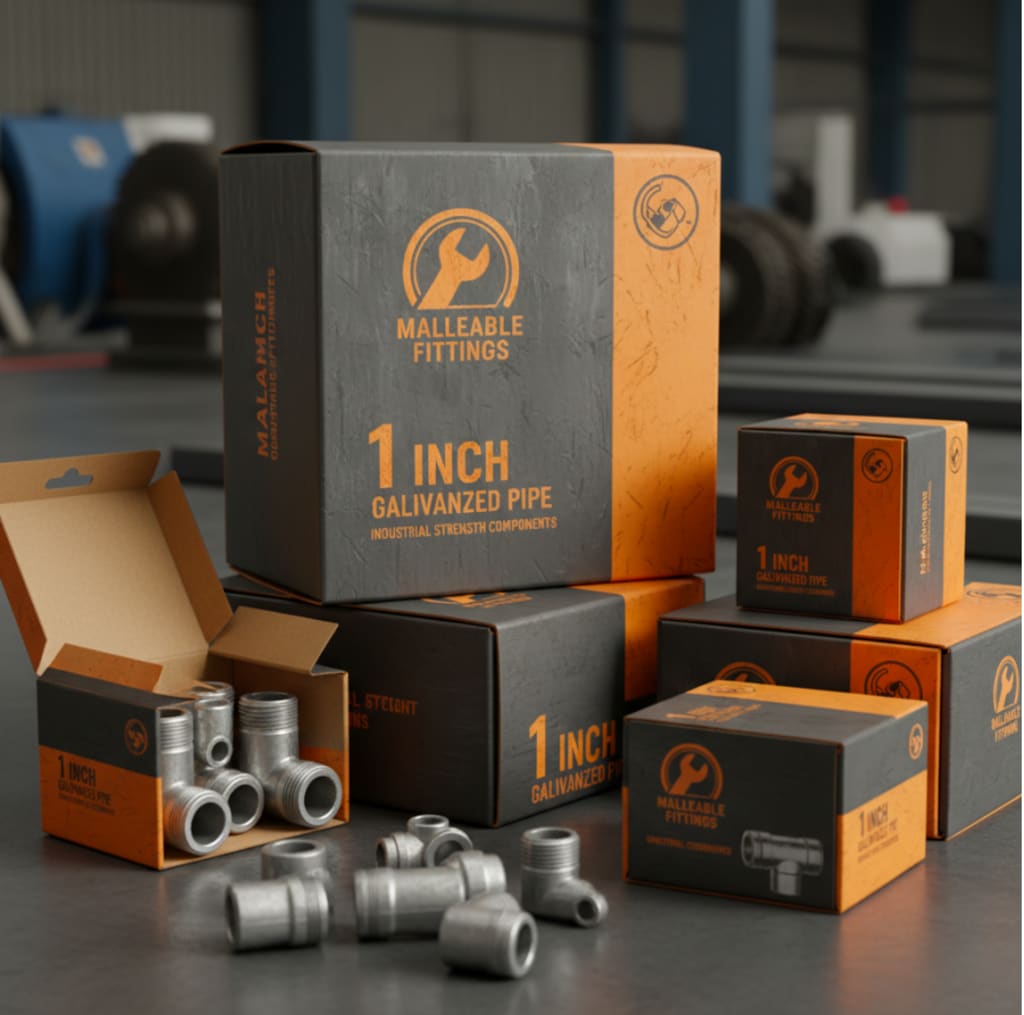
Across many regions, infrastructure has become a major topic of discussion. Governments, utility providers, and industrial operators are investing in upgrades to aging systems. Water networks, manufacturing facilities, and public service projects all require dependable materials. While attention often focuses on large-scale equipment, smaller components play an equally important role.
One example is the galvanized pipe fitting. These fittings have been used for decades, yet they remain relevant in modern projects. Recent infrastructure investments have highlighted the importance of durable piping systems. As organizations seek long-term reliability, galvanized fittings continue to attract attention from engineers and planners.
Infrastructure Spending Continues to Rise
Many countries are allocating significant budgets to repair and expand public infrastructure. Water distribution systems require modernization. Industrial facilities need upgrades to support growing production demands. Utility networks also face increasing pressure from population growth.
Every infrastructure project depends on secure connections between pipes. Without reliable fittings, even the most advanced systems can face operational challenges. This reality has encouraged project managers to revisit proven solutions that offer durability and consistent performance.
Galvanized pipe fittings remain part of that conversation because they have demonstrated reliability in a wide range of environments.
The Challenge of Corrosion in Modern Systems
Corrosion remains one of the most costly issues affecting infrastructure. Metal surfaces exposed to moisture can deteriorate over time. This process may lead to leaks, maintenance expenses, and unexpected downtime.
Galvanized fittings address this concern through a protective zinc coating. The coating creates a barrier that helps reduce corrosion. As a result, the fittings often perform well in environments where moisture exposure is common.
Industry professionals continue searching for materials that balance performance and cost. Corrosion-resistant components remain a practical choice for many projects.
Water Management Is Becoming a Global Priority
Access to reliable water infrastructure has become increasingly important. Municipalities are investing in pipelines, treatment facilities, and distribution networks. These systems must operate continuously while maintaining efficiency.
Pipe fittings are essential within these networks. They connect different sections of piping and help direct water flow throughout the system.
Durability matters because repairs can be costly and disruptive. For this reason, many planners continue evaluating galvanized solutions when designing water infrastructure projects.
As cities grow, dependable piping components become more important than ever.
Industrial Facilities Require Reliable Components
Manufacturing plants rely on complex networks of pipes and equipment. These systems often operate around the clock. Any interruption can affect productivity and operational costs.
Reliable fittings contribute to smoother operations by maintaining secure connections. Their performance becomes particularly valuable in facilities that handle large volumes of fluids.
Industrial operators increasingly focus on lifecycle value rather than initial purchase costs. Components that last longer often provide greater overall benefits.
This trend has encouraged renewed interest in durable piping solutions across several industries.
Technology Is Improving Manufacturing Standards
The manufacturing sector has experienced significant technological progress. Advanced machinery now allows greater precision during production. Automated inspection systems help identify defects before products reach customers.
These improvements have enhanced the consistency of modern pipe fittings. Better dimensional accuracy simplifies installation and supports system reliability.
Digital quality control tools also allow manufacturers to maintain higher standards. As a result, buyers have greater confidence in the products they select.
Technology is not replacing traditional infrastructure components. Instead, it is improving how those components are produced.
Construction Projects Demand Long-Term Performance
Large construction projects often remain in service for decades. Builders therefore prioritize materials that can withstand changing environmental conditions.
Galvanized fittings continue to attract attention because of their durability. Their protective coating helps extend service life while reducing maintenance requirements.
Construction managers frequently evaluate both performance and operating costs. Materials that deliver dependable results over time remain attractive choices.
This practical approach has contributed to the continued use of galvanized products in commercial and industrial construction.
Manufacturers Respond to Industry Needs
Demand for reliable infrastructure products has encouraged manufacturers to improve production capabilities. Companies are investing in better equipment and stricter quality assurance procedures.
Industry suppliers are also expanding product ranges to meet evolving requirements. Among them is Jinmai Casting, which provides casting and piping-related products for industrial applications.
Manufacturers understand that infrastructure projects require consistency. Meeting those expectations has become an important part of remaining competitive in today's market.
Sustainability Influences Material Selection
Sustainability has become a major consideration in infrastructure planning. Organizations want materials that support long service life and efficient resource use.
Long-lasting components help reduce replacement frequency. This can lower material consumption over the lifetime of a project.
Galvanized fittings contribute to these goals by offering durability in many operating conditions. Their extended service potential aligns with broader efforts to improve infrastructure efficiency.
As sustainability discussions continue, durable materials are likely to remain an important topic.
Skilled Engineers Still Value Proven Solutions
Engineering decisions often involve balancing innovation with reliability. New technologies can offer advantages, but proven solutions still hold value.
Many professionals continue selecting components with established performance histories. Galvanized fittings have been used successfully across numerous industries for many years.
Their continued presence in modern projects reflects confidence in their capabilities. Reliability remains a critical factor regardless of technological advancement.
This combination of tradition and innovation shapes many infrastructure decisions today.
Looking Ahead
Infrastructure investment is expected to remain strong in the coming years. Water systems, industrial facilities, and utility networks will continue requiring dependable components.
Manufacturing technology will likely improve product quality even further. At the same time, project managers will continue focusing on durability, efficiency, and lifecycle value.
Galvanized pipe fittings may not receive the same attention as large machinery. However, they remain essential to the performance of countless systems worldwide.
As infrastructure challenges evolve, practical and reliable components will continue supporting progress behind the scenes.
Conclusion
The global focus on infrastructure renewal has renewed interest in dependable piping components. Galvanized pipe fittings remain relevant because they address real-world challenges such as corrosion, maintenance costs, and long-term reliability.
Advances in manufacturing technology have strengthened product quality while preserving the benefits that made these fittings popular in the first place. As governments and industries continue investing in modernization, durable piping solutions are likely to remain an important part of future development projects.
Their role may be quiet, but their contribution to modern infrastructure remains significant.
About the Creator
Emily Carter
Emily Carter is a freelance writer focused on SEO, digital marketing, content publishing, and online business trends. Her articles provide insights into search optimization, content strategy, and the evolving world of digital media.
Enjoyed the story? Support the Creator.
Subscribe for free to receive all their stories in your feed.
Comments
There are no comments for this story
Be the first to respond and start the conversation.