
Why Adelaide's Streets Deserve Nothing Less Than Quality Paving
Adelaide's Streets Deserve
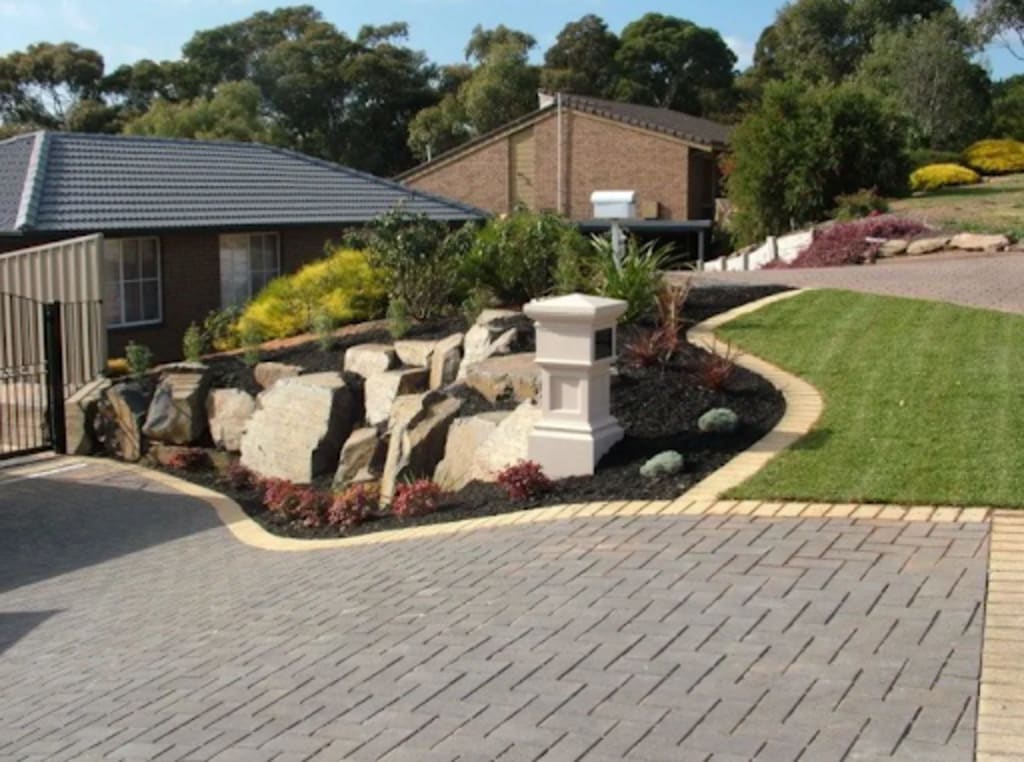
Most homeowners will spend weeks picking kitchen finishes and bathroom tiles. The outdoor ground surface, though, usually gets whatever budget survives everything else. That habit has consequences. Surfaces that are rushed or poorly chosen do not degrade quietly — they crack, shift, and eventually cost far more to fix than a proper job would have upfront. Adelaide's climate does not forgive shortcuts. Paving in Adelaide is really about understanding what the ground endures before deciding what goes on top of it.
Adelaide's Soil Is a Problem
The majority of homeowners are not informed of the following. A significant portion of Adelaide is situated on reactive clay soil. This soil expands when moist and contracts rapidly as it cures. This cycle is tireless and exerts significant pressure on any surface that has not been adequately prepared. Cracking that manifests within a few years is not necessarily indicative of a material failure. Base preparation is frequently neglected or expedited. The appropriate compaction and bedding layers enable the surface to move in tandem with the ground, rather than resisting it. Cracks are not a risk; they are an outcome in the absence of that foundation.
Not All Pavers Handle Heat Equally
Stone is not simply stone, and that differential counts more than most consumers imagine. Surface temperature varies substantially among materials. This becomes very relevant around pools, alfresco areas, and anywhere children walk barefoot on a summer afternoon. Lighter-toned limestone and some concrete alternatives reflect heat significantly more efficiently than darker materials like charcoal, slate, or deep granite. Reputable paving contractors in Adelaide mention this throughout the selection process. A surface too hot to walk on in January is not a functional surface, regardless of how beautifully it photographs. Aesthetics and function need to work together, one will eventually undermine the other.
Drainage Is Where Things Go Wrong
A perfectly level paved surface looks clean. It is also a slow-moving problem. Water with nowhere to go finds its own path — usually under a door, along a wall base, or into a fence footing. Australian standards require a minimum fall away from structures, and that requirement exists for very good reason. Yet it gets overlooked regularly on DIY projects and jobs where speed takes priority. Properly planned paving in Adelaide treats drainage as a structural decision, not a finishing detail. The fall needs to be calculated and built in from the beginning. Correcting it afterwards means pulling everything apart and starting again.
The Joint Gap Nobody Talks About
There is a detail in every paved surface that rarely comes up in homeowner conversations. It has an outsized effect on how long the surface actually holds up. The material filling the gaps between pavers — the jointing compound — determines whether the surface stays stable or begins failing quietly from within. Polymeric sand is the current standard among quality installers. It sets firm, resists weeds, deters ants, and moves with the surface during ground shifts. Older options like basic fine sand or dry cement mix do not perform reliably across those same conditions. When joints fail, water gets underneath the bedding layer. Pavers begin to rock after that. Edges chip. The surface starts looking neglected well before its time. It is a small decision with consequences that take years to fully show.
Conclusion
Paving in Adelaide comes with a set of local conditions that are genuinely easy to underestimate. Reactive clay movement, punishing summer heat, and drainage demands that shift across different property layouts all play a role. The quality of a finished surface is largely decided before installation begins — through material selection, base preparation, and drainage planning rather than through the visible finish alone. Properties with surfaces done properly from the start tend to stay that way. They demand little attention, hold their appearance, and rarely require remedial work down the track. The ground is not a background detail. It is the foundation that everything else sits on, and it deserves to be treated that way.
About the Creator
Enjoyed the story? Support the Creator.
Subscribe for free to receive all their stories in your feed.
Comments
There are no comments for this story
Be the first to respond and start the conversation.