
Who Should I See For Dental Crown Repairs?
This blog explores the types of dental professionals best suited to restore damaged crowns, what to expect during the repair process, and how to choose the right provider to ensure long-lasting results and a healthy smile.
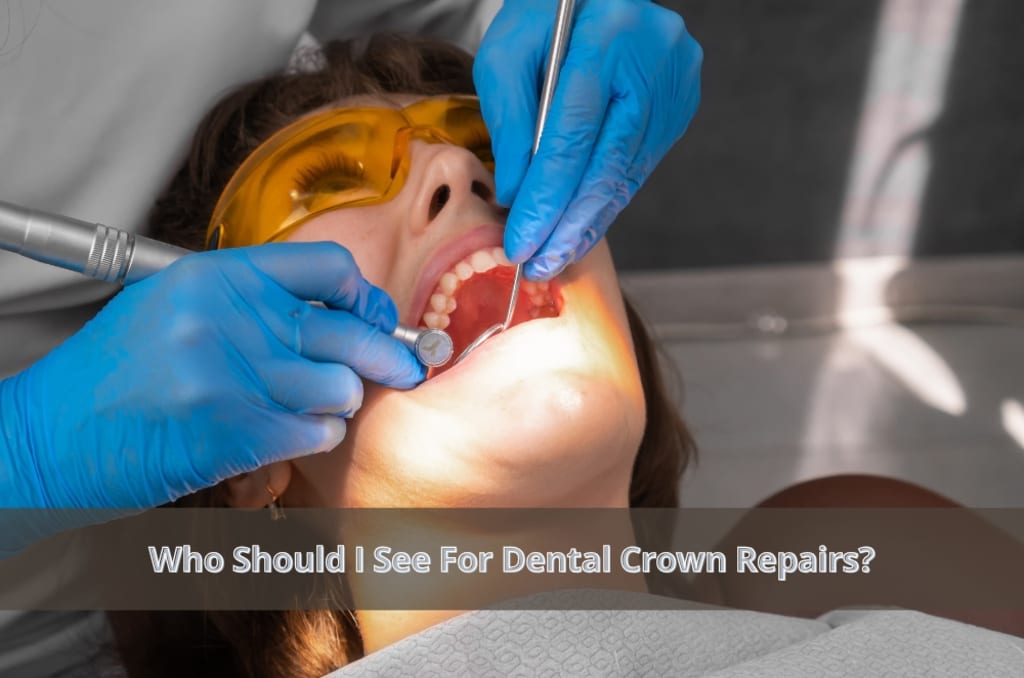
Ever get that nagging sense that your crown just ain't right, and you wonder if it's something minor or an indication of serious dental woe? You're sitting there thinking, "Is this a little more than a niggle? Am I going to lose my crown and my tooth? Who do I call on this, and how do I prevent further problems?" When your crown doesn't sit right, you don't know who to go to when you want the reassurance your mouth is well looked after. For those looking for a trusted tooth crown repair solution in Sydney, knowing the signs of damage and where to go is essential to keep your oral health in check and your smile intact.
What are the signs my dental crown needs repair?
Knowing the signs your dental crown needs repair makes you value the need for timely dental care to prevent permanent damage and pain. Increased sensitivity to hot or cold, indicating potential nerve exposure, demands immediate attention. Sharp pain when biting, suggesting cracks or improper fit, requires prompt evaluation. Visible cracks or chips, compromising the crown's integrity, necessitate immediate care. Loose crown, indicating cement failure or damage, needs urgent intervention. Gum swelling or redness around the crown, signalling infection, demands prompt assessment. Bad taste or odour, indicating bacterial buildup, requires immediate care. Identifying these symptoms helps in successful dental care.
- Heightened sensitivity, requiring urgent treatment to prevent injury.
- Sudden biting pain needs urgent review.
- Visible crack needing urgent attention.
- Loose crown, requiring urgent treatment.
- Swollen gum requires urgent assessment.
- Bad taste/odour, requiring urgent treatment.
Why is my tooth crown feeling loose or painful?
Identifying the reasons behind a loose or aching tooth crown facilitates understanding the significance of urgent dental care to prevent more complications. Loose crowns indicate cement failure, with bacteria entering and causing infection. Pain can be a sign of disease to the underlying tooth and gums. Damage to the crown itself, cracks or chips, can be painful. Discomfort can be caused by improper fit, resulting in pain and sensitivity. Grinding or clenching loosens crowns, putting stress on the tooth and crown. Knowing these causes helps with immediate dental care.
- Cement failure, with bacteria entering.
- Infection to the teeth and gums.
- Damage to the crown, uncomfortable.
- Incorrect fit provokes pain.
- Grinding/clenching, stressing.
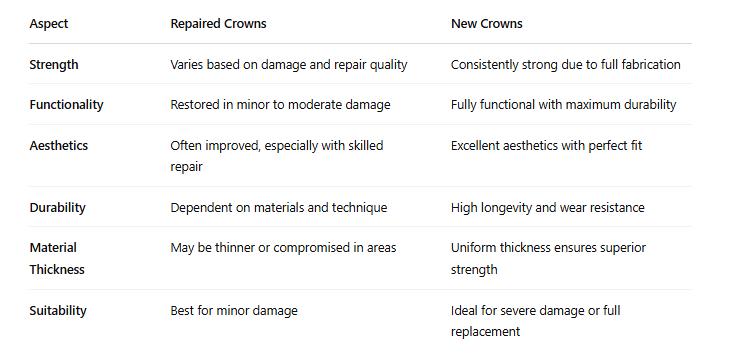
Are repaired crowns as strong as new ones?
Is it safe to delay repairing a broken crown?
Knowledge of the complications of postponing a fractured crown repair aids in the value of prompt dental care to avoid further problems. No, there may be increased damage, and sometimes severe problems can lead to complications. Bacteria invade and infect, which can affect the underlying tooth and gums. Tooth structure can also further decay, weakening the integrity of the tooth. Discomfort and pain rise, lowering quality of life. Immediate treatment is necessary to avoid further damage and pain. Knowledge of this facilitates immediate action.
- No, it damages, creating problems.
- Bacteria invade, impacting teeth and gums.
- The tooth decays, weakening its integrity.
- Pain rises, lowering the quality of life.
- Immediate treatment, avoiding damage.
What is involved in repairing a dental crown?
Knowing how a dental crown is repaired makes one realise the value of professional dental treatment for successful therapy. Dentists evaluate the damage, establishing the level of repairs required. Minor repairs can be performed in the office, like fixing small chips or cracks. Severe damage can require lab work or custom construction. Loose crowns are simply recemented, as is reattaching the crown to the tooth. New crowns can be necessary, replacing severely worn-out crowns. Knowing this contributes to ineffective treatment.
- Assessment of damage, finding repairs necessary.
- Repair in office, fixing minor damage.
- Lab work is necessary, necessitating fabrication.
- Recementation, reattaching crown.
- New crowns, replacing extensive damage.
When should I see a dentist for crown damage?
Knowing when to visit a dentist for crown damage is appreciated in understanding the necessity of immediate care to prevent complications and pain. Any sign of looseness, indicating potential cement failure, requires immediate evaluation. Persistent pain, suggesting infection or damage, demands prompt assessment. Cracks or chips, compromising the crown's integrity, necessitate immediate care. Gum swelling or redness, signalling infection, demands prompt assessment. Bad taste or odour, indicating bacterial buildup, requires immediate care. Difficulty chewing, suggesting improper fit or damage, demands prompt evaluation. Understanding this aids in prompt care.
- Any looseness requires evaluation.
- Chronic pain requires evaluation.
- Cracks or chips that require attention.
- Swelling of the gums requires evaluation.
- Bad taste/odour, requiring attention.
- Difficulty chewing, requiring evaluation.
How do I avoid damaging a crown?
Knowledge of preventive steps for crown damage assists in appreciating their function in oral health maintenance and extension of crown lifespan. Refrain from hard or sticky foods, avoiding stress and damage to the crown. Use a mouthguard when you grind your teeth, avoiding excessive force on the crown. Practice good oral hygiene, avoiding bacterial accumulation and gum problems. Regular dental check-ups, avoiding early detection and prevention of issues. Knowledge of these measures facilitates preventive care.
- Avoid hard foods and avoid stress.
- Wear a mouthguard, avoiding force.
- Good hygiene, avoiding bacterial buildup.
- Regular check-ups avoid late detection.
Conclusion
For dental crown repairs, you should always visit a trained dentist. They possess the experience and equipment to evaluate and repair your crown correctly. Don't risk further damage; get professional treatment right away. Your oral health is counting on it. Finally, professional dental treatment of crown repairs is essential to sustain oral well-being and avoid complications. Meeting with an experienced dentist guarantees your crown is appropriately examined and fixed, upholding your smile and overall dental health. It enables you to circumvent expensive damage and sustain maximum oral well-being. Access to timely and skilled dental treatment makes you capable of maintaining your teeth' health and preventing any harm or destruction to your smile.
About the Creator
Enjoyed the story? Support the Creator.
Subscribe for free to receive all their stories in your feed.
Comments
There are no comments for this story
Be the first to respond and start the conversation.