
Which Coffee Is Better: Ground, Instant, or Capsule?
A practical comparison of instant, ground, and capsule coffee: convenience, taste, price, and what each option is best for.
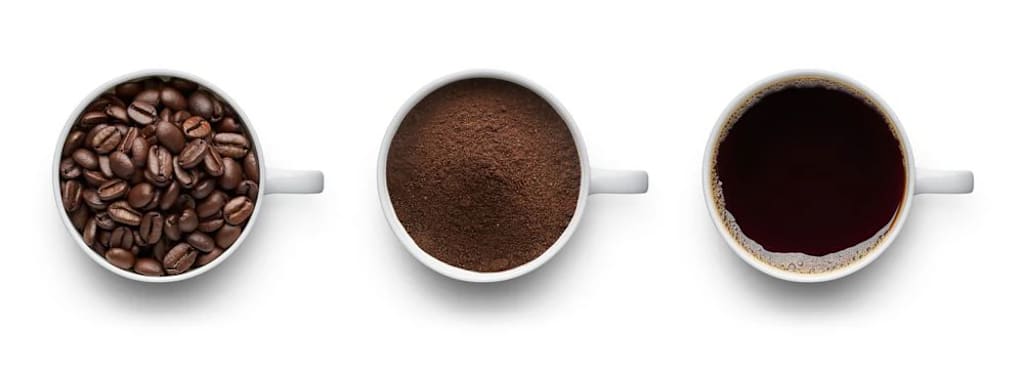
The debate over coffee has long become almost a question of lifestyle. Some people believe only freshly ground coffee is real coffee. Others have been drinking instant coffee for years and see no problem with it. And some have switched entirely to capsules for the sake of convenience. But if we look at it honestly, each option has its advantages — and its compromises.
Instant coffee: fast, cheap, but simpler in taste
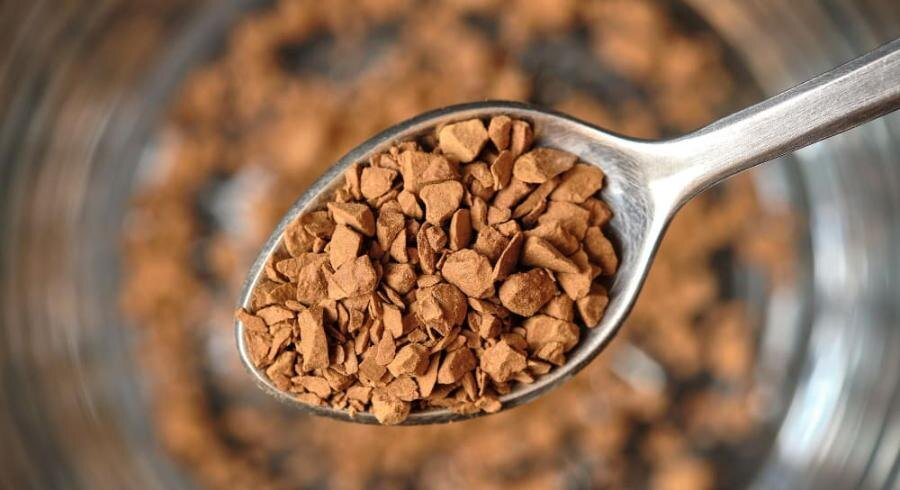
Instant coffee is, above all, convenient. You put a spoonful in a cup, pour in boiling water, and a minute later the drink is ready. That is exactly why it became incredibly popular in offices, on trains, at country houses, and at home among people who do not want to bother with cezves and coffee machines.
Modern instant coffee is no longer as bad as it was decades ago. Good freeze-dried varieties can be quite pleasant. But the problem lies elsewhere: during production, some aromatic oils and complex flavor notes are lost. As a result, the taste is usually flatter and less rich.
In addition, cheap instant coffee often uses robusta — a variety with more bitterness and a higher caffeine content. Because of this, the drink can seem harsher.
Ground coffee: better taste, but it takes time
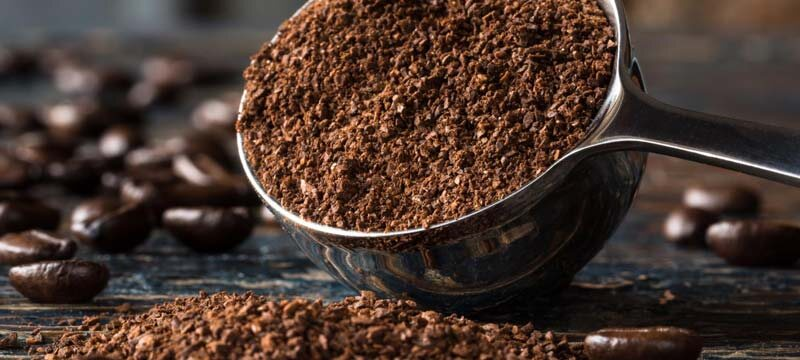
For coffee lovers, ground coffee remains the “real” option. It preserves more essential oils, aromas, and flavor nuances, especially if the beans are fresh and the grind is right.
The difference between good ground coffee and instant coffee is usually noticeable immediately. The drink is deeper, smoother, and more aromatic. It is no coincidence that coffee shops work with beans.
But ground coffee has a drawback: time and effort. You have to brew it, watch the temperature, and wash the cezve or coffee maker. Ground coffee also loses its aroma quickly after the package is opened.
That is why many people buy whole beans and grind them right before brewing. But that is already the level of a coffee enthusiast, not “quick morning coffee.”
Capsule coffee: a compromise between taste and convenience
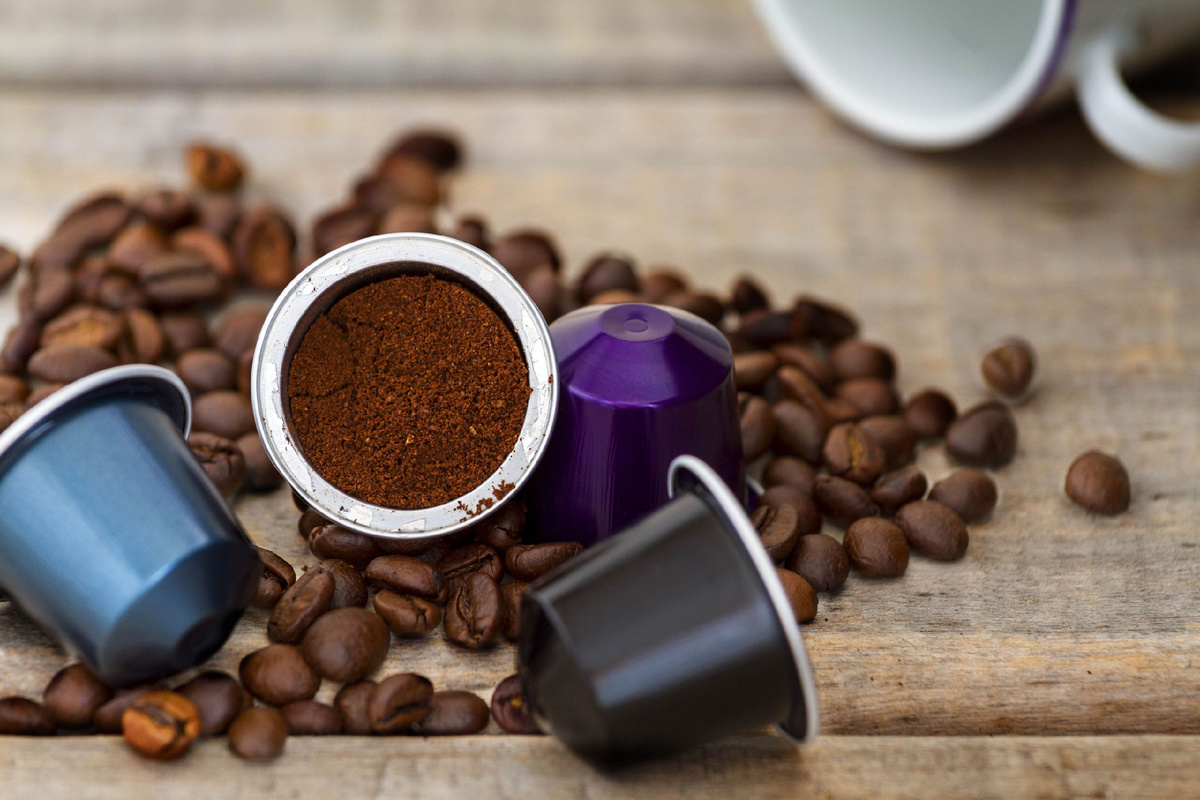
Capsules appeared as an attempt to combine quality and simplicity. Essentially, this is a ready-made portion of ground coffee in sealed packaging. The coffee machine itself controls the pressure and water flow.
As a result, the taste is usually better than instant coffee, while making the drink is almost just as easy. That is why capsule systems have become popular among people who want “almost a coffee shop at home,” but without manual brewing.
However, capsules have their own disadvantages. First, the price. If you calculate the cost of one cup, capsule coffee often turns out to be noticeably more expensive than ordinary ground coffee. Second, you depend on a specific system and capsule manufacturer.
And of course, a true coffee fan will still say that even good capsules are inferior to freshly ground beans from a proper coffee machine.
So which is better?
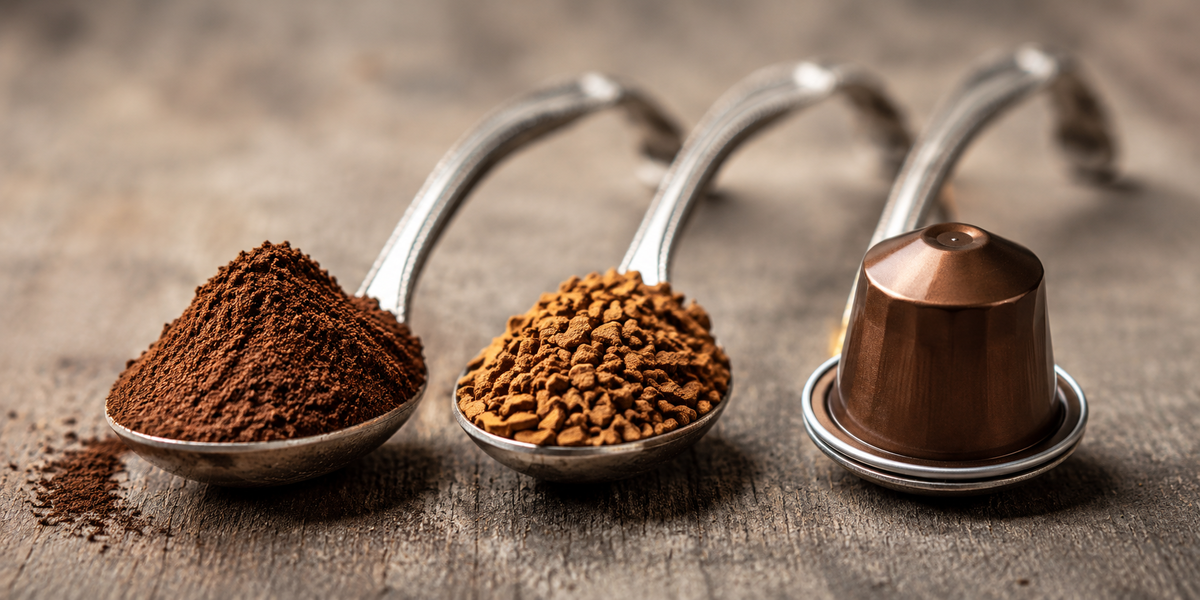
If maximum convenience is what matters, instant coffee wins. If taste and aroma are more important, ground coffee wins. If you want a compromise between quality and speed, capsule coffee is the choice.
Interestingly, in many countries people are gradually moving away from instant coffee toward capsule coffee. In essence, capsules have become the modern replacement for old “quick coffee,” only with a more decent taste.
But the truth is that there is no perfect option. For some people, the ritual of preparation matters. For others, speed matters. And for others, all they need is caffeine in the morning before work. Each of these tasks has its own type of coffee.
About the Creator
Enjoyed the story? Support the Creator.
Subscribe for free to receive all their stories in your feed.
Comments
There are no comments for this story
Be the first to respond and start the conversation.