
Which Cleaning Equipment Is Best For Hospital Floors?
Best Hospital Floor Cleaning Equipment for Superior Hygiene
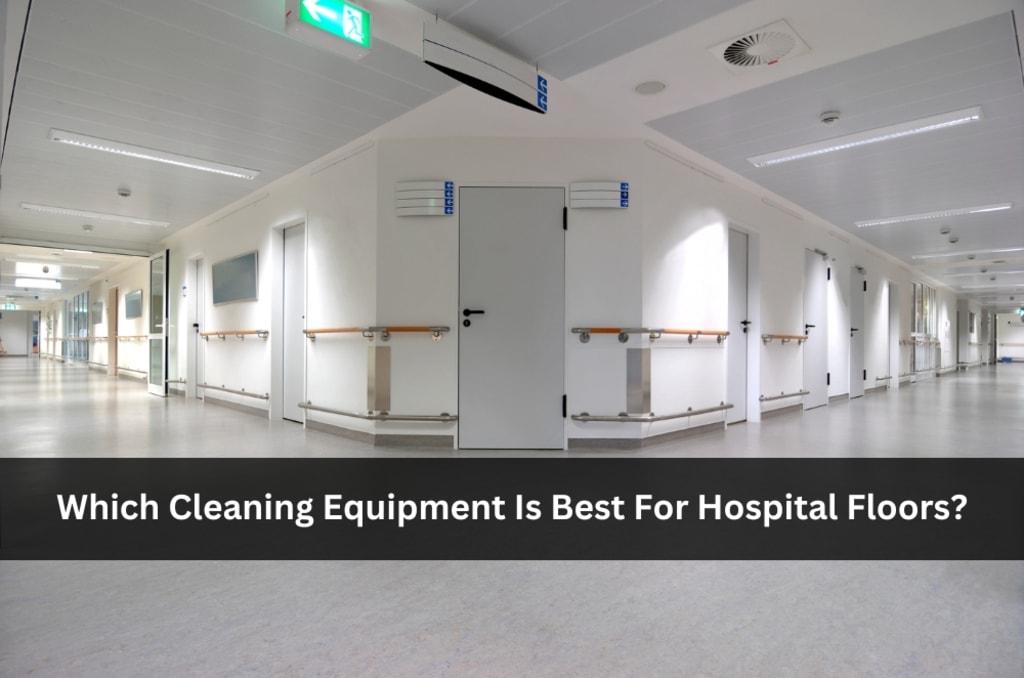
Imagine a bustling hospital ward, the air thick with the soft hum of life-supporting machinery. Now imagine the floors. They are bombarded with millions of footsteps, the occasional spill, and the constant threat of invisible infection. A sterile, germ-free environment is paramount. But, with the sheer volume of traffic and the high standards of cleanliness required, how does one achieve it? Ensuring good-quality cleaning machines and reliable cleaning supplies for hospitals is the pivot of this pursuit, an issue that needs delicacy and excellent efficiency. In the heart of Sydney and across Australia's broad sprawl, this question is posed in every health centre.
What floor scrubbers are best for hospitals?
The demands on hospital floor scrubbers are stringent. They must be tough, trustworthy, and deliver a deep clean without sacrificing hygiene. In the Sydney Royal Easter Show build-up, hospitals boost their cleaning operations when eyes turn to public health and safety. Picking the correct scrubber is all about considering several key issues:
- Scrubbing capacity: Heavy-duty equipment with heavy motors is needed to remove ingrained stains and dirt.
- Water recovery: High-performance water recovery systems avoid contamination spread, reduce the risk of slipping, and facilitate quick drying.
- HEPA filtration: HEPA-filtering scrubbers are indispensable when airborne contamination is threatened.
- Ease of operation & maintenance: Workers require easy-to-operate and maintainable equipment, decreasing downtime and providing even cleaning.

Which disinfectant mops suit hospital floors?
Disinfection is vital in hospitals, and the humble mop is a key player. But not just any old mop will suffice. Those are days when the string mop is behind us. Today, hospitals rely on:
- Microfiber mops: Microfiber mops have great dirt-lifting and bacteria-removing ability, with excellent cleaning power.
- Solution dispensing mops: Solution dispensing mops release disinfecting solution directly onto the floor, providing even and effective disinfection.
- Disposable mop pads: Disposable pads in strategic areas prevent cross-contamination.
Are ride-on sweepers used in hospitals?
Ride-on sweepers greatly enhance efficiency, cleanliness, and time-saving for large hospital complexes. The devices can sweep large amounts of space quickly, and they are ideal for hospital reception areas, corridors, and other high-traffic zones where litter and dust accumulate rapidly. Sweeping by hand can be exhausting and sporadic, but ride-on sweepers use powerful brushes and vacuum suction to pick up dirt and not release it into the air.
Since the recent upsurge of flu cases in the country, particularly Melbourne, dust and allergen control has become necessary to prevent airborne disease transmission. Ride-on sweepers are used by hospitals as a routine addition to daily cleaning procedures so that floors are clean of debris before disinfectant use. They decrease the physical toll on janitors so workers can dedicate time to mop-up sanitising processes within patient zones.
What vacuums are used in hospital settings?
Hospitals require vacuums that effectively clean fine particles, dust, and allergens without returning them to the atmosphere. The ideal hospital vacuums have:
- HEPA filtration: This is needed to capture tiny particles and avoid the transmission of airborne pathogens.
- b Quiet vacuums are a preference of hospitals to prevent noisy interference with patients.
- Long-term building: These machines must withstand high usage and regular cleaning.
High-tech hospital vacuums also include anti-microbial filters and sealed containment systems to seal damaging particles during disposal.
What chemicals clean hospital floors effectively?
Selecting the correct cleaning chemicals is equally vital to choosing the proper equipment. Hospitals use:
- Hospital-grade disinfectants: They kill broad-spectrum pathogens and leave a sterile surface.
- Neutral pH cleaners: They are easy on floors but tough on dirt and grime.
- Non-slip floor finishes: These finishes give a safe walking surface, minimising the potential for slips and falls.
The habitual use of EPA-approved disinfectants and non-toxic cleaning agents ensures that hospitals conform to infection control protocols and keep the environment safe and sanitary for patients, hospital staff, and visitors.

How do hospitals clean high-traffic floors?
High-traffic hospital areas need a rigorous and regular cleaning schedule. These are:
- Daily sweeping and mopping: Regular cleaning to prevent dirt and bacteria buildup.
- Deep scrubbing with scrubbers: Regular deep scrubbing using floor scrubbers is required for effective disinfecting.
- High-touch surface disinfection: Regular disinfecting of handrails, door handles, and other high-touch surfaces.
- Scheduled maintenance: Regular maintenance checks on all equipment to ensure optimal performance.
Case study
In a recent case study, I evaluated the efficiency, hygiene, and cost-benefit analysis of different cleaning equipment for hospital floors. A Sydney-based cleaning solution supplier provided information regarding the most efficient ones used in healthcare centres. From their vast experience in offering cleaning products to hospitals, they asserted that auto scrubbers are better than traditional mopping since they reduce water consumption and provide deeper sanitising. Microfiber mop systems were also highlighted for their ability to trap bacteria better than ordinary cotton mops, which made them ideal for infection control. High-filtration vacuum cleaners were also recommended for air quality upkeep in sensitive environments like operating rooms. Hospitals that replaced their older systems with newer solutions saw a measurable reduction in cleaning time without sacrificing adherence to infection control protocols. This research verifies that investing in proper equipment enhances hospital hygiene and simplifies maintenance procedures to the advantage of cleaning teams and patient safety.
Conclusion
Cleanliness on the hospital floors is a technology-based process that necessitates thoughtful planning and use of the proper equipment. Creating clean and sanitary areas is paramount with everything from advanced floor scrubbers to strong disinfectants. Australian hospitals are closely looking into cleaning procedures as the country goes into winter flu season. By investing in quality cleaning equipment and adhering to best practices, hospitals can minimise the risk of infection and create a safe environment for patients and staff. Remember that whether or not the floors are clean in any hospital is not a matter of cosmetics. It is a public health issue. That is the bottom line for the suits and tradies alike.
About the Creator
Enjoyed the story? Support the Creator.
Subscribe for free to receive all their stories in your feed.
Comments
There are no comments for this story
Be the first to respond and start the conversation.