
When Is a Dental Crown or Bridge the Best Option?
Restoring Your Smile’s Strength, Function, and Appearance

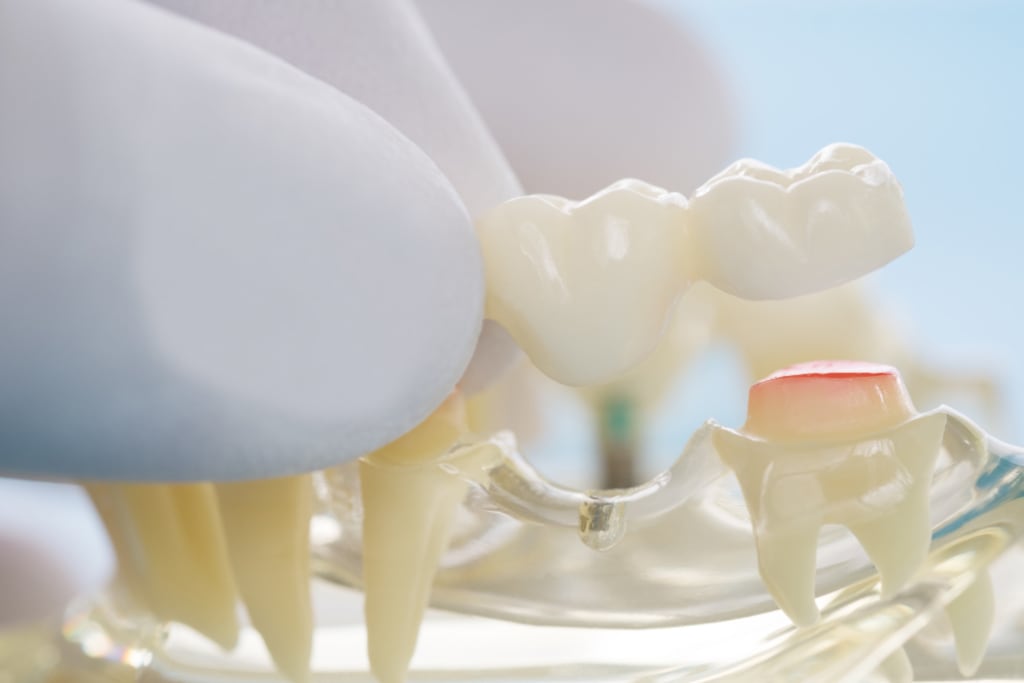
Dental crowns and bridges are two of the most common restorative dental treatments available. Whether you’ve chipped a tooth, lost one entirely, or need support for a weakened tooth, these options can help bring back your confidence and oral health.
But when exactly is a crown or a bridge the best choice? Let’s break it down so you can better understand which solution might be right for your situation.
What Is a Dental Crown?
A crown in dentistry is a cap shaped like a tooth fitted on a weakened tooth or a damaged tooth to regain its shape, size, force and form. Depending on your needs and preferences, crowns may be made from porcelain, ceramic, metal, or a combination of these materials.
They are prepared to match your natural teeth. Crowns are often used when:
- A tooth is severely decayed and cannot be restored with a filling.
- A tooth requires structural support because it is damaged or cracked.
- A tooth has already had a root canal treatment and needs to be covered.
- A tooth is worn down from grinding or erosion.
- You want to improve the appearance of a misshapen or discoloured tooth.
What Is a Dental Bridge?
A bridge is a dental restoration that returns the replacement of one or more teeth. It is made up of 1 or more teeth (known as pontics) attached by crowns placed on abutting natural teeth or implants.
Bridges give you back your power to chew and speak correctly, preserve the shape of your face and keep other teeth adjacent to it in place.
Bridges may be recommended when:
- You have lost a tooth or a row of teeth.
- Do you prefer a non-removable alternative to dentures?
- You want to maintain the alignment of your remaining teeth.
- You are not a candidate for dental implants.
When Is a Crown the Best Option?
A dental crown is generally the best solution when the integrity of a natural tooth can still be preserved. For example:
- Following a Root Canal: A tooth subjected to root canal treatments will be more fragile to cracks. A crown protects it from future fractures.
- For Large Cavities or Fillings: If a tooth has too much decay or an old filling that compromises its structure, a crown provides full coverage and reinforcement.
- Cracked Tooth Syndrome: Crowns can hold the pieces of a cracked tooth together, reducing sensitivity and preventing further damage.
- Aesthetic Improvements: For teeth that are badly stained, oddly shaped, or misaligned, a crown can instantly enhance appearance while restoring both function and aesthetics.
When Is a Bridge the Better Choice?
A dental bridge is most appropriate when one or more teeth are missing entirely, and the surrounding teeth are healthy enough to support the bridge.
- Replacing a Missing Tooth Without Implants: If you don’t want or can’t have a dental implant, a bridge fills the gap effectively.
- Quick Solution for Tooth Loss: Bridges may often be applied more quickly than implants, and this factor should also be considered when determining the ideal treatment option in a shorter term.
- Stabilising the Bite: A missing tooth can throw off your bite, causing strain on other teeth and jaw pain. A bridge helps restore balance.
- Maintaining Facial Structure: Tooth loss can affect your face shape over time. A bridge helps preserve natural contours.
Choosing Between the Two
It often comes down to whether your tooth is damaged or missing. A crown is used when the natural tooth still exists but needs protection.
A bridge is used when the tooth is completely gone and needs to be replaced. That said, your dentist will consider several factors before recommending either option:
- The location and number of affected teeth
- The condition of neighbouring teeth
- Your personal preferences and oral health goals
- Your budget and timeline
Caring for Crowns and Bridges
Both bridges and crowns can last for years with consistent oral care and good dental hygiene.
- Brush and floss daily, especially around the crown or bridge area
- Do not chew ice or any hard material that would break restorations.
- Ensure proper oral health by attending routine dental check-ups and getting professional cleanings.
If you ever feel discomfort, looseness, or sensitivity around your crown or bridge, contact your dentist for an evaluation.
Final Thoughts
Dental crowns and bridges are more than cosmetic fixes—they’re functional, long-lasting solutions for restoring your oral health. If you have a weakened, damaged, or missing tooth, it’s worth exploring these options with your dentist.
If you're looking for or considering dental crowns and bridges in Albury, our team is here to help you find the best solution for your smile. Schedule a consultation today and take the next step toward restoring your confidence and comfort.
About the Creator
Kreativ Dental Albury
Kreativ Dental is a patient-friendly dental practice, delivering high-quality dental care to patients of all ages in Albury and the surrounding areas. Call (02) 6021 4171 or visit us at 525 Wilson St, Albury NSW 2640
Enjoyed the story? Support the Creator.
Subscribe for free to receive all their stories in your feed.
Comments
There are no comments for this story
Be the first to respond and start the conversation.