
When An Avoidant Meets An Anxious Partner
Navigating the dance
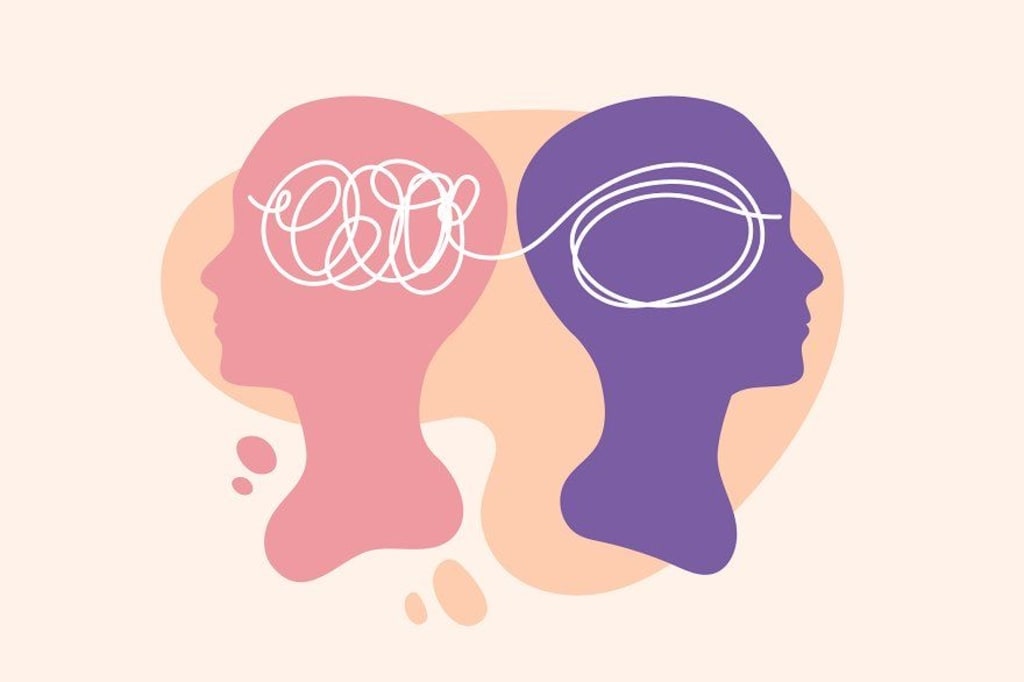
When an Avoidant Partner Meets an Anxious Partner
Introduction:
In the realm of relationships, it's not uncommon for individuals with different attachment styles to come together. One common combination is an avoidant partner and an anxious partner. While these attachment styles may seem incompatible, with understanding and effective communication, relationships between an avoidant and an anxious partner can flourish. In this article, we explore the dynamics between these attachment styles and offer insights into making their connection thrive.
Understanding Avoidant and Anxious Attachment Styles:
Avoidant individuals tend to value independence and may struggle with emotional intimacy. They may exhibit tendencies to withdraw or distance themselves emotionally when they perceive a threat to their independence or fear engulfment. On the other hand, anxious individuals seek closeness and reassurance in relationships, often feeling a heightened need for connection. They may display insecurity, seeking validation and worrying about the relationship's stability.
Communication: Bridging the Gap:
Communication is key when an avoidant and an anxious partner come together. Both partners must establish a safe and open space for honest expression. The avoidant partner can share their need for space and independence, while the anxious partner can express their need for reassurance and emotional connection. By voicing their needs and fears without judgment, they can bridge the gap and find common ground.
Setting Boundaries: Balancing Independence and Connection:
Navigating the balance between independence and connection is crucial for the avoidant and anxious partners. The avoidant partner can communicate their need for alone time or personal space in a gentle and reassuring manner. Simultaneously, the anxious partner can develop a sense of self-reliance and engage in fulfilling activities outside the relationship. By setting healthy boundaries, both partners can cultivate a sense of security while respecting each other's needs.
Building Trust: Patience and Consistency:
Trust is the cornerstone of any relationship, especially when an avoidant and an anxious partner are involved. The avoidant partner can work towards being consistent and reliable, making an effort to show up emotionally and follow through on commitments. Meanwhile, the anxious partner can practice patience and refrain from seeking constant reassurance. Building trust takes time, and both partners need to be committed to nurturing it through their actions.
Embracing Vulnerability: A Path to Intimacy:
For the avoidant partner, embracing vulnerability can be challenging. They may have developed defense mechanisms to protect themselves from emotional pain. However, creating emotional intimacy requires the avoidant partner to gradually open up and share their thoughts and feelings. The anxious partner can provide a safe space for vulnerability by demonstrating understanding and empathy. Through patience and compassion, they can help their avoidant partner feel secure in expressing their emotions.
Supporting Individual Growth: Independence and Interdependence:
Both partners should encourage and support each other's individual growth. The avoidant partner can respect the anxious partner's need for emotional connection, while also encouraging them to pursue personal interests and maintain a sense of independence. Conversely, the anxious partner can encourage the avoidant partner's pursuit of personal goals while offering understanding and reassurance during their moments of emotional distance. By nurturing both independence and interdependence, the relationship can thrive.
Seeking Professional Support:
Sometimes, navigating the complexities of an avoidant-anxious relationship can benefit from professional guidance. Relationship therapists or counselors can provide valuable insights, techniques, and strategies tailored to the specific needs of each partner. They can help address deeper issues, improve communication, and foster a stronger bond.
Conclusion:
While the dance between an avoidant partner and an anxious partner may require extra effort and understanding, their relationship can be incredibly rewarding. By fostering open communication, setting healthy boundaries,
About the Creator
Enjoyed the story? Support the Creator.
Subscribe for free to receive all their stories in your feed.
Comments
There are no comments for this story
Be the first to respond and start the conversation.