
What types of fish should and should be avoided?
Fish is very good for our bodies, but each type of fish has different concentrations, so we must also consider it before eating.

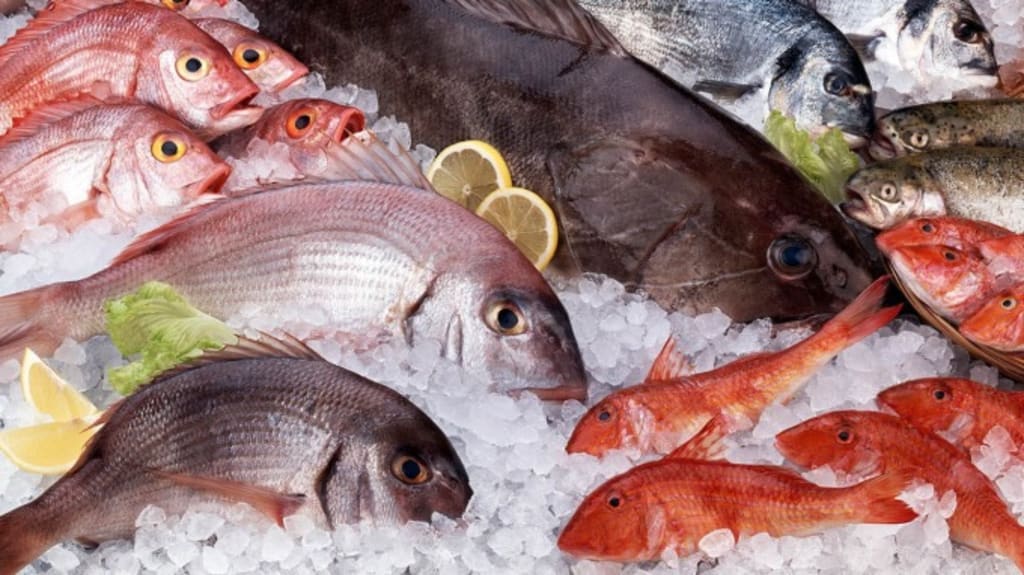
Orange seabream, swordfish, tilefish, long-lived fish... often have high mercury content and should be avoided.
Almost all healthy diets encourage you to eat lots of fish or at least 225g of seafood per week. However, not all types of fish are the same. Therefore, you need to know the benefits of eating fish as well as how to choose the right nutritious type.
1. Types of fish that need to be limited
- Fish has high mercury content
According to Webmd, too much mercury in the body can cause brain and nerve damage in adults. It can also affect the development of infants and young children. Types of fish to stay away from include: swordfish, blue marlin, shark, and tilefish.
- King mackerel
Overall, king mackerel is an exceptionally good source of omega-3s, which can be part of a healthy diet. But king mackerel - especially those caught in the Pacific Ocean - is high in mercury. Doctors say young children and women who are pregnant or breastfeeding should avoid this fish completely.
- Orange Roughy (Orange Roughy)
This fish has a rough orange appearance and can live up to 150 years old. This has caused orange seabream to be exposed to many unhealthy factors, such as mercury, for a long time. This deep-sea fish is not a good choice for a healthy diet.
- Tuna
Like mackerel, all types of tuna contain mercury content. For example, bluefin and bigeye tuna should be avoided. Albacore and yellowfin tuna don't contain much omega-3, so you shouldn't eat them more than once a week. You should eat canned low-fat tuna up to three times a week to provide good protein for your body.
Some types of fish do not have so much mercury that you must avoid them completely, but are also not rich in omega-3s for regular consumption such as Chilean sea bass, pompano, pompano, frogfish, and red snapper. sea.
- Silver carp
This is a popular freshwater fish with a large oval head and silvery white body. Silver carp tastes bland and has a strong fishy smell. Silver carp has a mixed diet, including grass carp, chicken manure, cow manure and many other rotting materials, so it is considered a relatively dirty species.
- Tilapia
Tilapia originates from Africa and has an extremely strong ability to survive in seawater or freshwater environments. It eats rotten plants, feces, animal carcasses... so it is also called trash fish. Because of the harsh growing environment, tilapia can contain large amounts of heavy metals and other pollutants.
If you want to eat tilapia, you should choose fish caught in a pollution-free environment or eat fish raised in places that ensure water hygiene.
2. Healthy fish dishes
- Fatty fish is rich in omega-3
Omega-3 fatty acids are found in fatty and oily fish. This substance is very good for the heart and brain. Just consuming about 113 grams of omega-3 seafood per week will reduce the risk of heart disease by 36%. Omega-3 also helps limit the risk of diseases such as stroke and Alzheimer's.
Fish rich in these healthy acids include: Salmon, herring, anchovies, and sardines.
- Lean fish: This type of fish has a lot of protein and fewer calories than fatty fish. Each 85g serving of lean fish contains less than 120 calories, but provides plenty of protein. Some typical types are: Perch, cod.
What are the nutritional differences between wild-caught fish and farmed fish?
It cannot be said that wild-caught fish or farmed fish are healthier. Both types may contain mercury. While wild-caught fish tends to contain less saturated fat, pond-raised fish are often richer in omega-3s.
Besides, fish can also be prepared into delicious dishes when combined with a number of other ingredients and spices.
About the Creator
ivymia
my blog for info on best product, best books, tips in life and more...
Enjoyed the story? Support the Creator.
Subscribe for free to receive all their stories in your feed.
Comments
There are no comments for this story
Be the first to respond and start the conversation.