
What to Expect From Your Dental Treatment Plan
Dental Treatment
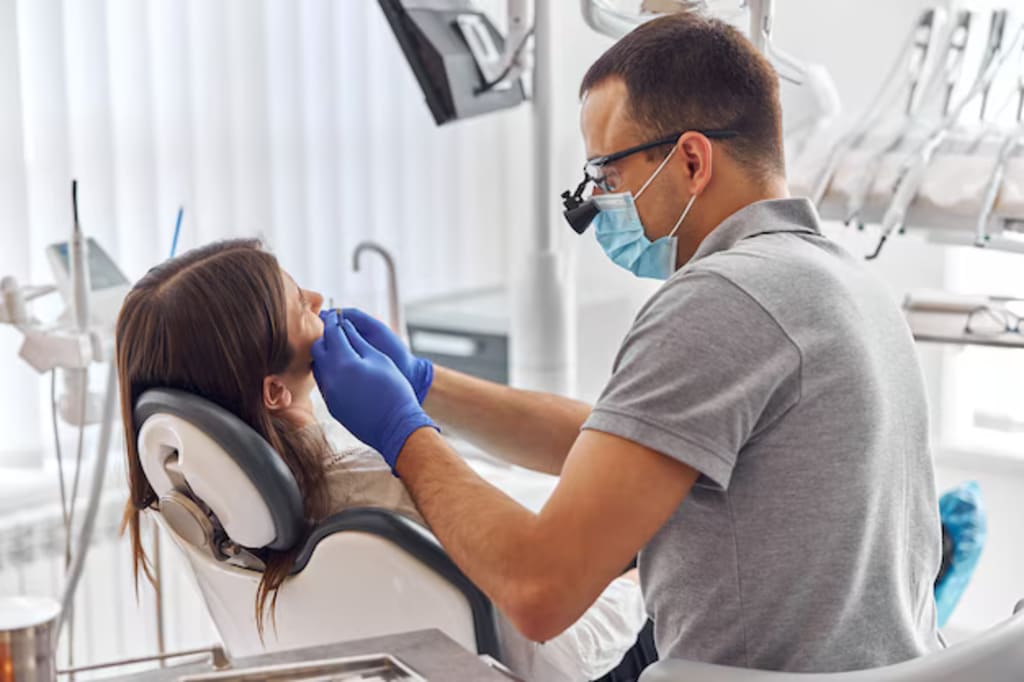
A well-structured dental treatment plan is essential for maintaining oral health. Whether undergoing routine care or addressing specific dental issues, understanding what to expect from your treatment plan can help you feel more prepared and less anxious about the process. This article will explore the various components of a dental treatment plan, what you can anticipate during each stage, and how to actively participate in your oral health journey.
Understanding Your Dental Treatment Plan
A dental treatment plan is a comprehensive outline created by your dentist to address your unique oral health needs. It serves as a roadmap for dental care, detailing the procedures and treatments required to achieve optimal oral health. Depending on the complexity of your dental issues, your treatment plan may be developed during a routine check-up or following a more in-depth examination.
The plan typically includes assessing your current oral health, a list of recommended treatments, timelines for completion, and estimated costs. By having a detailed plan in place, you can better understand the steps needed to achieve your desired outcomes, whether that involves preventive care, restorative work, or cosmetic enhancements.
Initial Consultation and Assessment
The first step in developing your dental treatment plan is the initial consultation. During this appointment, your dentist will thoroughly examine your teeth, gums, and oral health. This may include digital X-rays, photographs, and a review of your medical history to identify any underlying conditions that could affect your dental care.
The dentist will discuss any concerns you may have and assess the condition of your teeth and gums. They will look for signs of decay, gum disease, misalignment, or other issues requiring attention. Based on this assessment, your dentist will develop a personalised treatment plan tailored to your needs.
Communicating Your Goals and Concerns
It is essential to communicate openly with your dentist during this initial assessment. Discuss your goals, whether they involve improving the aesthetics of your smile, addressing discomfort, or simply maintaining your current dental health. When developing your treatment plan, your dentist will consider your preferences, ensuring that the proposed solutions align with your expectations.
Components of Your Dental Treatment Plan
Once your dentist has gathered the necessary information, they will present you with a detailed treatment plan. This plan typically includes several components:
1. Recommended Treatments
Your treatment plan will outline the procedures and treatments recommended to improve oral health. This may include:
Preventive Care: Routine cleanings, fluoride treatments, and sealants to protect against decay.
Restorative Work: Fillings, crowns, bridges, or root canals to address existing dental issues.
Cosmetic Enhancements: Teeth whitening, veneers, or bonding to improve the appearance of your smile.
Orthodontic Treatment: Braces or clear aligners to correct misalignment and improve bite function.
2. Timeline for Treatment
The treatment plan will also provide a timeline for the recommended procedures. Some treatments may be completed in a single visit, while others may require multiple appointments over weeks or months. Understanding the timeline helps you manage your expectations and plan accordingly.
3. Costs and Payment Options
Your dentist will discuss the estimated costs associated with your treatment plan, including any out-of-pocket expenses not covered by insurance. They may offer various payment options or financing plans to help make your dental care more affordable. Understanding the financial aspect of your treatment will enable you to make informed decisions about your dental care.
Implementing Your Treatment Plan
Once you have reviewed your treatment plan and feel comfortable with the proposed procedures, you can begin implementing it. Depending on the complexity of your needs, you may start with preventive care appointments or proceed directly to restorative or cosmetic treatments.
1. Scheduling Appointments
Your dental practice will assist you in scheduling appointments at your convenience. To achieve the best results, it is essential to prioritise these visits and adhere to the recommended timeline. If you need to reschedule an appointment, be sure to do so as soon as possible to avoid delays in your treatment.
2. Preparing for Treatment
Before each appointment, your dentist may provide specific instructions to prepare for the treatment. This may include dietary restrictions, medications to avoid, or guidelines on oral hygiene practices. Following these instructions will help ensure a smooth and successful procedure.
3. Open Communication During Treatment
Maintaining open communication with your dentist and dental team during dental appointments. If you feel anxious or uncomfortable at any point, do not hesitate to express your concerns. Your dentist can often provide solutions to help ease your discomfort, whether through sedation options or adjustments to the treatment process.
Aftercare and Follow-Up
After your dental treatments, your dentist will provide aftercare instructions tailored to your specific procedures. It is crucial to follow these guidelines to promote healing and prevent complications.
1. Post-Treatment Care
Depending on the type of treatment you received, your aftercare may include:
Pain Management: Taking prescribed or over-the-counter pain relief medications as needed.
Dietary Restrictions: Avoid certain foods or beverages that could irritate your teeth or gums.
Oral Hygiene Practices: Proper oral hygiene, including brushing and flossing, supports healing and prevents infection.
2. Follow-Up Appointments
Your treatment plan may include follow-up appointments to monitor your progress and adequately address your dental issues. These visits are essential for evaluating the success of your treatments and making any necessary adjustments to your care plan.
Maintaining Your Oral Health
Once your dental treatment plan is complete, it is crucial to maintain your oral health through regular checkups and good hygiene practices. Schedule routine dental appointments every six months for cleanings and evaluations to catch any potential issues early.
1. Practising Good Oral Hygiene
Incorporate daily brushing and flossing into your routine to keep your teeth and gums healthy. Using fluoride toothpaste and an antibacterial mouthwash can further enhance oral hygiene.
Consider making lifestyle changes that promote oral health, such as reducing sugar intake, quitting smoking, and staying hydrated. These habits can significantly impact your dental health and overall well-being.
Understanding what to expect from your dental treatment plan is essential for successfully navigating your oral health journey. By actively participating in the process—from the initial consultation to aftercare—you can take control of your dental health and work towards achieving a beautiful, healthy smile. Embrace the opportunity to prioritise your oral health, and remember that your dentist is there to guide and support you every step of the way.
About the Creator
Enjoyed the story? Support the Creator.
Subscribe for free to receive all their stories in your feed.
Comments
There are no comments for this story
Be the first to respond and start the conversation.