
What to expect during mole mapping?
mole mapping

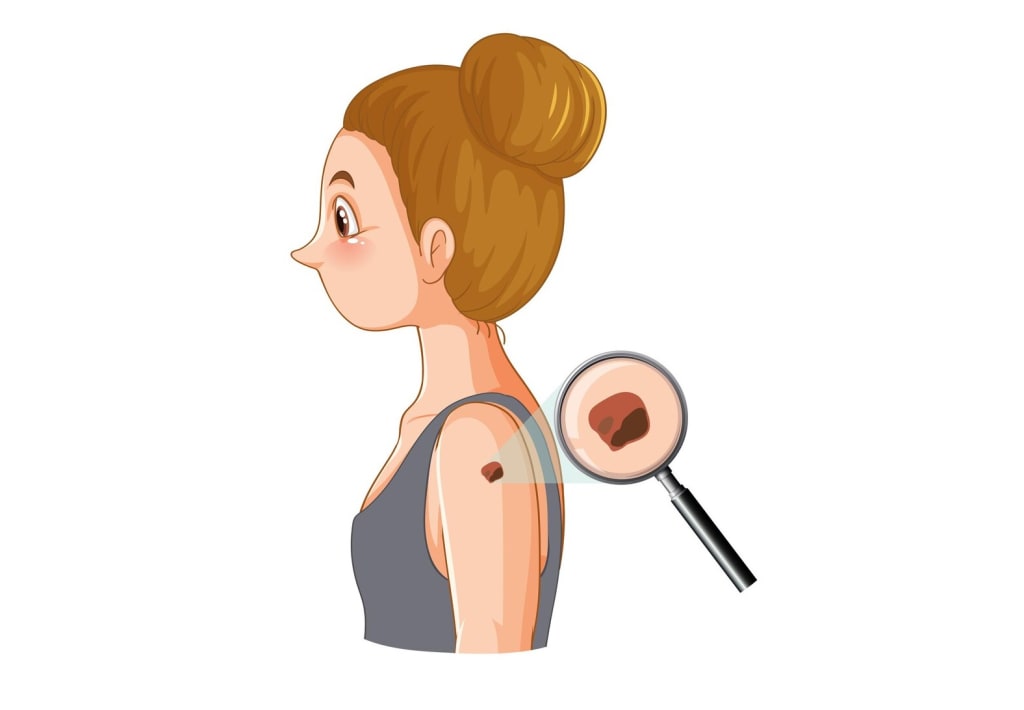
Did you ever worry about moles or skin alterations? Your doctor might recommend a thing called mole mapping. Don't let it sound worse, though. It really is quite straightforward and extremely helpful. Mole mapping is one method of very closely keeping an eye on your skin in the long term and catching something unusual at the beginning stage. Let's talk about exactly what to expect.
Why Do You Need Mole Mapping?
There are reasons mole mapping is on the rise:
Early detection of skin cancer: It can make all the difference if you catch changes early.
Monitoring difficult moles: Some moles are riskier and require close monitoring.
Keeping a visual record: Clear images enable comparisons of your skin over months and years.
Peace of mind: It's reassuring to have experts on the lookout for anything unusual.
Before Your Appointment: What to Know
There is not much you need to do to get ready for mole mapping, but here are a few speedy tips:
Avoid tanning: Natural skin color gives better results.
Skip makeup and heavy lotions: Clean, bare skin is best for clear photos.
Wear loose clothing: You'll want easy access to your skin during the session.
List any concerns: Write down any moles or spots you're already worried about.
It's okay to stay calm during this process—you're not getting any treatment done yet, you're just getting your information.
What Happens During Mole Mapping?
Mole mapping is usually done in a clinic by a skin specialist or dermatologist. Here's the general order of what happens:
Skin Check: The doctor or technician will first visually check your skin.
Full-Body Photos: Special cameras take your body with high-resolution pictures. You'll stand in different poses in order to get all sides.
You'll Also Get Close-Up Pictures: Uncertain moles are taken close-up, possibly with a device known as a dermatoscope.
Creating a Record: All the photographs are kept and organized carefully in order to be able to check for changes in the future.
The whole appointment takes about 30 minutes to an hour, depending on how many moles you have.
Will You Have to Undress?
Yes, so that the best possible results can be given, you will have to be in your underwear. Some clinics have gowns or sheets available for modesty in between photos.
Private and professional environment
Only as much of your skin is exposed as is required
You are allowed to bring a relative or a friend if it makes you feel more comfortable
Fret not, professionals are taught to be as respectful and comfortable as possible.
How Is It Different from a Standard Skin Check?
A skin check is when the doctor visually examines your body at one time. Mole mapping takes it a step further:
Close-up photographs for comparison in the future
Specific software to detect subtle changes
Permanent digital records
Tracking year-to-year
It's like having a skin diary that identifies even tiny changes year after year.
What happens after the Mapping?
After your pictures are taken and stored, the true value of mole mapping kicks in:
Reading the Results: The physician can immediately address any moles that require closer examination.
Biopsy if Indicated: If something raises concerns, a biopsy might be advised at once.
Scheduled Follow-Ups: Most clinics suggest mapping once a year unless you’re high-risk, in which case it might be every six months.
Home Monitoring: You'll still want to monitor your skin between appointments and notify your doctor of any unexpected changes.
Does It Hurt?
The good news—it's absolutely painless!
You might feel a little awkward standing in front of the camera at first, but there isn't any physical discomfort. It's like a photo shoot for your skin health.
Costs and Insurance
Mole mapping is a prevention service, so here's the lowdown:
Costs differ: Be ready to pay $200 to $400 for a session.
Insurance may help: Policies can cover some of the expense, especially if you're at high risk.
Medicare and rebates: Depending on your situation, there could be rebates through government programs.
It's worth calling your provider before you book your appointment.
Who Should Have Mole Mapping?
Mole mapping is not just for people who are already having skin problems. It's recommended for:
People with a lot of moles
Any person with a family history of skin cancer
People with light skin who usually burn
People who got sunburned during childhood
Anyone who noticed changes in moles recently
Really, because you have skin (you do!), it's worth thinking about—especially if you have risk factors.
Last Words
Mole mapping is a complicated-sounding term, but it's easy and a genuinely useful way to protect your skin health. It's painless, easy, and may literally save your life by detecting symptoms of skin cancer early.
If your doctor orders mole mapping, don't worry—consider it an investment in your future. Look for mole mapping near me for more convenience, but make sure to choose the best. And remember, the sooner you detect an issue, the easier it is to fix!
About the Creator
Enjoyed the story? Support the Creator.
Subscribe for free to receive all their stories in your feed.
Comments
There are no comments for this story
Be the first to respond and start the conversation.