
What Makes Portable Exhibition Stands the Smarter Choice for Modern Exhibitors
portable exhibition stands
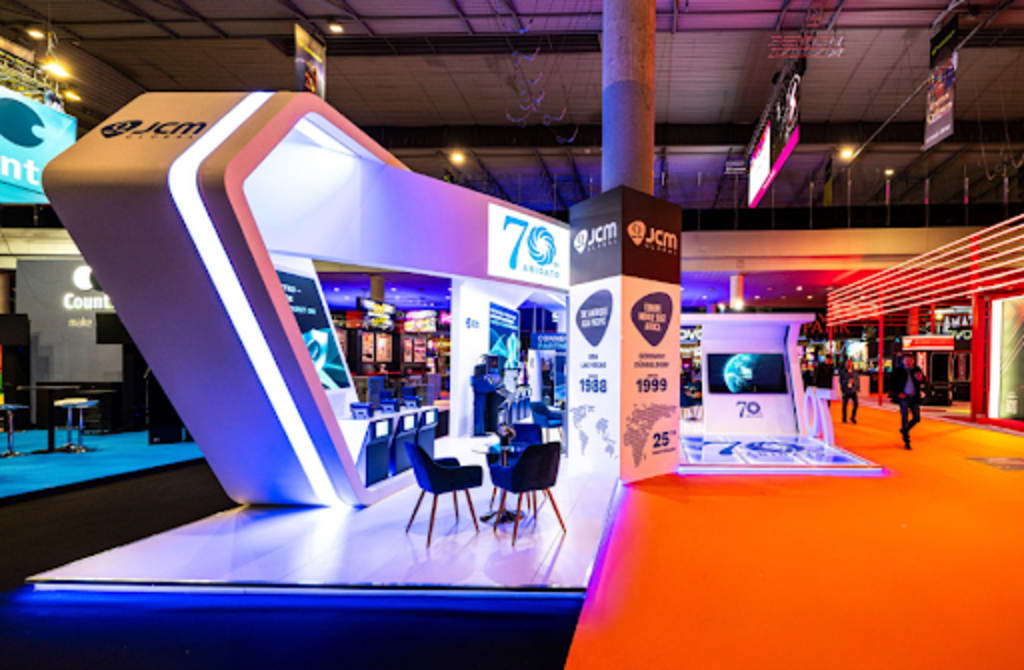
There is a version of exhibition participation that looks impressive from the outside and exhausts everyone involved. Enormous custom builds, teams of contractors, logistics that require a dedicated project manager, and at the end of it all, a display that performs no better than a well-executed portable setup would have. The gap between perceived sophistication and actual performance at exhibitions is wider than most brands realise. Portable exhibition stands have not become popular because they are the easy option. They have become popular because they consistently deliver results that more complicated approaches fail to match.
Contractors Are a Liability
This sounds harsh, but exhibitors who have done this long enough know it to be true. External contractors are working across multiple clients, multiple venues, and multiple deadlines simultaneously. Your stand is important to you — it is one job among many to them. When timelines slip or components arrive damaged, the contractor moves on to the next problem. The exhibitor is left managing a crisis in an unfamiliar building with no leverage and very little time. Portable systems do not eliminate problems, but they keep those problems within the team that actually has the motivation to solve them quickly.
Repetition Builds Invisible Skill
Exhibition manuals cover assembly. They do not cover the other things — the precise angle that makes a curved panel catch the light properly, the spacing between elements that draws visitors in rather than creating visual noise, the small positional adjustments that experienced teams make instinctively. None of that appears in the instructions. It develops through repetition. Portable exhibition stands that travel consistently between events allow teams to accumulate that practical knowledge in a way that hired contractors and one-off custom builds simply cannot replicate. The stand gets better because the people using it get better.
Floor Plans Lie
Not deliberately, but consistently. Pillars marked as structural details on a blueprint become genuine obstacles in person. Ceiling heights shift between sections of the same hall. Allocated spaces get quietly encroached upon by neighbouring exhibitors setting up without much concern for boundaries. These are not rare exceptions — any exhibitor with real experience has encountered all of them. A modular portable system can be reconfigured on-site without specialist tools or external support. That capacity to adapt in real time is the kind of practical resilience that only becomes truly visible when something goes unexpectedly wrong.
The Graphics Advantage Nobody Discusses
Most commentary on portable displays focuses on the hardware – how quickly it assembles, how light it is to carry. The more interesting conversation is about what happens when the graphics can be changed independently of the structure. Messaging that was accurate last season may be outdated now. A product that was central to a campaign may have been superseded. Portable exhibition stands with interchangeable graphic panels allow exhibitors to update what audiences actually see without any change to the underlying system. That separation of content from structure gives marketing teams a kind of creative agility that permanently fixed displays cannot offer.
The Between-Event Reality
Custom exhibition structures live somewhere between events. That somewhere usually costs money, requires management, and introduces the quiet risk of damage during storage or retrieval. It is a persistent operational overhead that rarely gets factored into decisions made during the excitement of planning a new stand. Portable systems occupy a fraction of the space, need no specialist handling, and can be located, inspected, and prepared for the next event by the same small team that uses them on the day. That simplicity between events is not glamorous, but it is genuinely useful in ways that accumulate over time.
What Reusability Actually Means
The sustainability argument for reusable displays is often made in vague terms. The precise version is more compelling. A stand that performs consistently across many events over several years extracts full value from every material and process involved in its production. That is not a green marketing position — it is a straightforward measure of whether a purchase decision was sensible. Disposable exhibition infrastructure, however impressive it looks at the time, represents a significant concentration of resources in exchange for a single use.
Conclusion
Exhibitions reward the prepared, not the extravagant. Portable exhibition stands quietly embody that principle — giving teams operational control, creative flexibility, and the consistency that genuine brand recognition is built on. The displays that linger in memory long after an event are rarely the most complex ones. They are the ones that worked without visible effort, and that outcome comes from choosing systems that are built around the realities of exhibition life rather than the ideals of it.
About the Creator
Enjoyed the story? Support the Creator.
Subscribe for free to receive all their stories in your feed.
Comments
There are no comments for this story
Be the first to respond and start the conversation.