
What is Vitamin A & its types? Sources and Benefits
What are sources

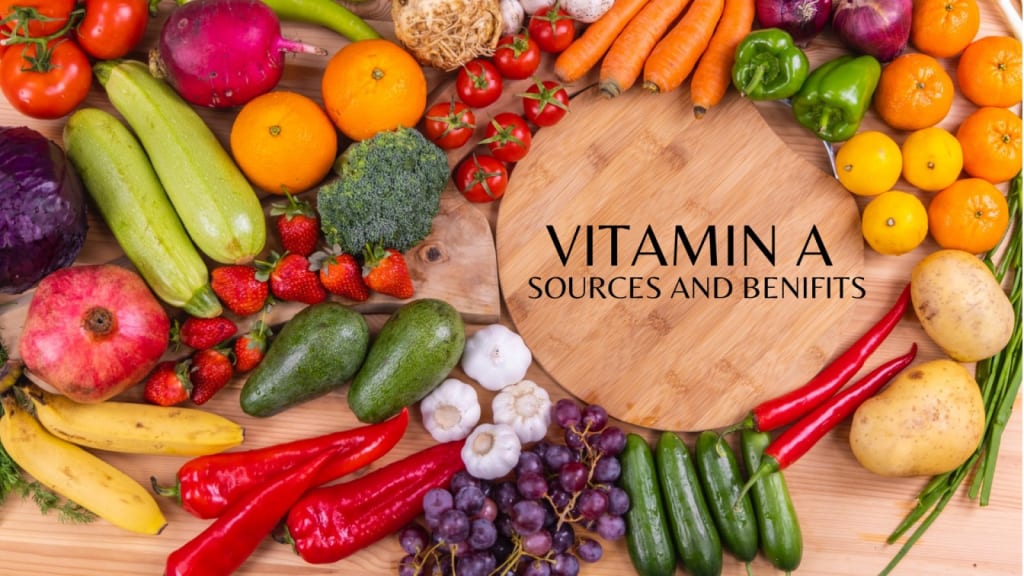
Vitamin A is a fat-soluble vitamin that is essential for maintaining good health. It is involved in various processes in the body, including vision, immune function, cell growth and differentiation, and reproductive health. multivitamin gummies comes in two main forms: preformed vitamin A, also known as retinoids, and provitamin A, also known as carotenoids.
Preformed vitamin A can be found in animal-derived foods, such as liver, milk, and eggs, while provitamin A can be found in plant-based foods such as carrots, sweet potatoes, and leafy greens. The body can convert provitamin A into retinoids, which is the active form of vitamin A that can be used by the body.
One of the most well-known functions of vitamin A is its role in maintaining good vision. The active form of vitamin A, retinal, binds to the protein opsin to form rhodopsin, a molecule that is required for colour vision and low-light vision. Vitamin A is also important for the maintenance and protection of the cornea, the outermost layer of the eye, and the conjunctiva, a thin membrane that covers the surface of the eye and the inside of the eyelids.
Vitamin A is also essential for a strong immune system. It helps to regulate the cellular and humoral immune response processes, which are critical in fighting off infections and diseases. Vitamin A is involved in the formation of specific cells, such as B cells and T cells, which play a crucial role in the immune response. A lack of vitamin A can result in an increase in pro-inflammatory chemicals, which can reduce immune system responsiveness and function.
In addition to its role in immune health, vitamin A is also important for skin health. Several studies have shown that vitamin A can have a positive effect on aging skin, and it may also help to preserve youthful-looking skin. Although more research is needed, vitamin A is one of several vitamins that can be beneficial for skin health.
Vitamin A deficiency is not a common problem in industrialized countries, but it is widespread in underdeveloped countries where people may have limited access to animal-derived foods that are high in preformed vitamin A. Vitamin A deficiency can cause serious health problems, such as blindness, increased risk of death from illnesses like measles and diarrhea, increased risk of death and anaemia in pregnant women, and decreased growth and development of the fetus.
The recommended daily intake of vitamin A varies depending on age, sex, and pregnancy status. However, a healthy adult male typically requires 900 ug of vitamin A per day, while a healthy adult female requires 700 ug. Synthetic sources of vitamin A, such as beta-ionone, retinyl acetate, or retinyl palmitate, are also available on the market and can be used to boost vitamin A levels.
In addition to its benefits for the eyes, skin, and immune system, Vitamin A has also been shown to play a role in bone health. Adequate Vitamin A intake has been linked to increased bone density and a reduced risk of osteoporosis. It also helps maintain healthy teeth and skin, and is essential for the proper functioning of organs such as the heart, lungs, and kidneys. Therefore, it is important to consume enough Vitamin A through a balanced diet or supplements to ensure overall health and wellness.
In conclusion, vitamin A is an essential nutrient that plays a critical role in maintaining good health. It is involved in various processes in the body, including vision, immune function, cell growth and differentiation, and reproductive health. By including a variety of animal- and plant-based foods in your diet, you can ensure that you are getting enough vitamin A to support good health.
About the Creator
Lexi Parker
My name is Lexi, and I am running health, fitness, and supplements website and also work as a Digital Marketing Manager.
Enjoyed the story? Support the Creator.
Subscribe for free to receive all their stories in your feed.
Comments
There are no comments for this story
Be the first to respond and start the conversation.