
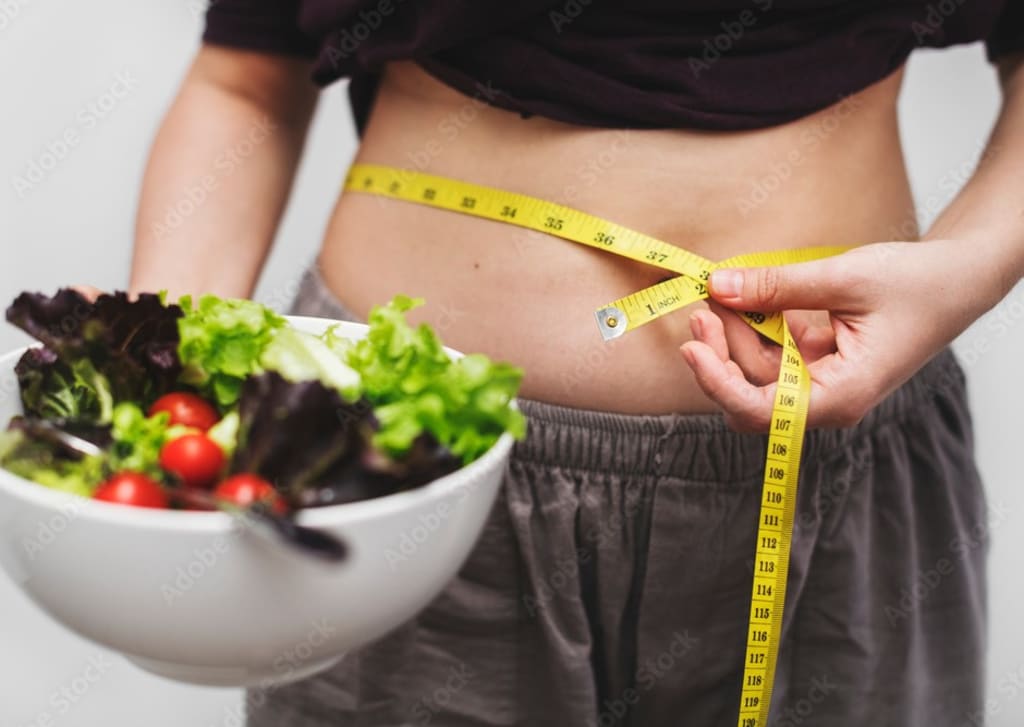
What is the Average Female Weight?
- The average weight of people worldwide
- Weight categories
- Relationship between weight and height
- Body structure
- Weight control
- Takeaway
https://www.digistore24.com/redir/424534/Amitha1975/
What is the typical weight of an American woman?
The typical American woman, aged 20 and older, is 63.7 inches (almost 5 feet, 4 inches) tall and weighs 170.6 pounds (Reliable Source).
And what is the typical waist measurement? It’s 38.6 inches.
You might or might not be surprised by these figures. Based on data through 2016, the Centers for Disease Control and Prevention (CDC)Trusted Source estimated that around 39.8% of adults in the US are obese.
According to women, this is broken down as follows:
Age group (years) Percent considered Percent considered
overweight or obese obese
20-34 59.6 34.8
35-44 67.7 43.4
45-54 69.5 42.9
55-64 74.5 48.2
65-74 75.6 43.5
75 and up 67.4 32.7
The average weights of women in various age groups as of 2016 were Reliable Source:
Age group (years) Average weight (pounds)
20-39 167.6
40-59 176.4
60 and older 166.5
How do Americans stack up against other countries?
According to a 2012 study, North Americans have the greatest average body mass worldwide. Overweight or obese conditions affect more than 70% of the population.
Asia has the lowest body mass, on the other hand. In particular, Japan's average body mass index (BMI) in 2005 was only 22.9. The average BMI in the US, in contrast, was 28.7.
In case you needed another perspective, one ton of body mass corresponds to 12 North American adults. One ton in Asia is equivalent to 17 adults.
The percentages of people who are categorized as overweight around the world are as follows:
Region Percentage of people that are obese
Asia 24.2
Europe 55.6
Africa 28.9
Latin America and the Caribbean 57.9
North America 73.9
Oceania 63.3
World 34.7
What determines weight ranges?
Your optimum weight is influenced by your height, sex, and the ratio of muscle to fat in your body. There are many resources available to assist you in calculating your number. One of the most often used tools, BMI, calculates your weight and height using a formula.
Divide your weight in pounds by the square of your height in inches to determine your BMI. Afterward, multiply that outcome by 703. Additionally, you can enter this data into a calculator online Reliable Source.
Knowing your BMI allows you to decide which category it belongs in:
• Being underweight: anything under 18.5
• Anything between 18.5 and 24.9 is healthy.
• Anything between 25.0 and 29.9 pounds is overweight.
• Overweight: anything over 30.0
Your BMI may not always be the most accurate measurement even if this method provides a decent beginning point.
What connection does there exist between weight and height?
Your BMI can be a useful starting point when assessing your general health, despite its limits. Take a look at this chart to determine your optimal weight based on height to see where your BMI falls.
Height in feet and Healthy weight in pounds
inches (or BMI 18.5–24.9)
4’10” 91–119
4’11” 94–123.5
5’ 97–127.5
5’1” 100–132
5’2” 104–136
5’3” 107–140.5
5’4” 110–145
5’5” 114–149.5
5’6” 118–154
5’7” 121–159
5’8” 125–164
5’9” 128–168.5
5’10” 132–173.5
5’11” 136–178.5
6’ 140–183.5
6’1” 144–189
6’2” 148–194
6’3” 152–199
What methods can you use to figure out your body composition?
You might think about going to your doctor for specialist testing, like these, to get the most precise assessment of whether you're at an appropriate weight:
• Skinfold thickness examinations, which are often performed with calipers (these can also be performed by personal trainers)
• Densitometry, which makes use of submerged weighing
• Bioelectrical impedance analysis (BIA), which makes use of a tool to gauge the body's electrical current flow
The American Council on Exercise (ACE) uses the following system to categorize a woman's body fat percentage:
Classification Body fat percentage (%)
Athletes 14–20
Fitness 21 –24
Acceptable/Average 25–31
Obese 32 and up
ratio of waist to hip
Another reliable way to tell if you're a healthy weight is to look at your waist-to-hip ratio. You should first measure yourself at your natural waist and the largest region of your lower body in order to get this ratio.
Women should have a maximum waist-to-hip ratio of 0.85, according to the World Health Organization (WHO).
Women who have a waist-to-hip ratio more than 1.0 are at risk for visceral fat, also known as belly fat,-related health problems. These ailments include type 2 diabetes, heart disease, breast cancer, and cardiovascular disease.
For some populations, such as children and those with a BMI over 35, the waist-to-hip ratio may not be the most precise measurement.
How can your weight be controlled?
It might be challenging to maintain a healthy weight, but the effort is well worth it. Not only might you feel your best, but you'll also possibly avoid obesity-related illnesses.
They consist of:
- Blood pressure problems
- Cardiovascular disease (CA
- Diabetes type 2
- Heart conditions
If you need to shed a few pounds in order to reach your target weight, take into account the following suggestions. You can get there by following these crucial steps.
https://www.digistore24.com/redir/424534/Amitha1975/
Reduce the size of your portions.
You should have a palm-sized quantity of lean protein, such salmon or chicken breast, on one-fourth of your plate. A fist-sized quantity of a whole grain, such as brown rice or quinoa, should occupy the remaining quarter of your plate. Vegetables like kale, broccoli, and bell peppers should occupy the majority of the space on the last half of your plate.
Try to be patient.
Wait 20 minutes before eating another serving if you are still hungry after finishing your entire meal. Even so, try to avoid reaching for pastries and instead eat some fresh fruits and veggies.
Regular meals
Don't miss meals and eat breakfast. To function at its peak throughout the day, your body needs consistent nutrients. You won't feel good and your body won't function properly without the right fuel.
Consume more fiber
Each day, women should consume 21 to 25 grams of fiber. Include items like whole-grain breads and cereals in your diet if this is a problem for you. Other healthy choices include whole-wheat pastas, rice, and beans. Fiber is supposed to instantly make you feel full, which will ultimately cause your hunger to decrease.
Make a move
The current recommendations for weekly exercise are 75 minutes a week of more intense exercise, like running or cycling, or 150 minutes a week of moderate exercise, like walking or yoga.
Take more water.
Every day, women should consume 11.5 cups of water. Although tea, coffee, and sparkling water are all acceptable beverages, water is the healthiest and lowest in calories.
What should we remember?
Your health cannot be determined solely by your weight. No matter your size, it's crucial to eat a healthy diet, exercise, drink plenty of water, and get enough sleep.
If you really need to lose a few pounds, make a sensible target with your doctor or figure out your BMI or weight according to your height. From there, make a plan with the assistance of your physician or dietician and establish achievable objectives.
About the Creator
Enjoyed the story? Support the Creator.
Subscribe for free to receive all their stories in your feed.
Comments
There are no comments for this story
Be the first to respond and start the conversation.