
What Happens During a Root Canal and Why It Saves Teeth
Understanding the Step-by-Step Process and Its Lasting Benefits

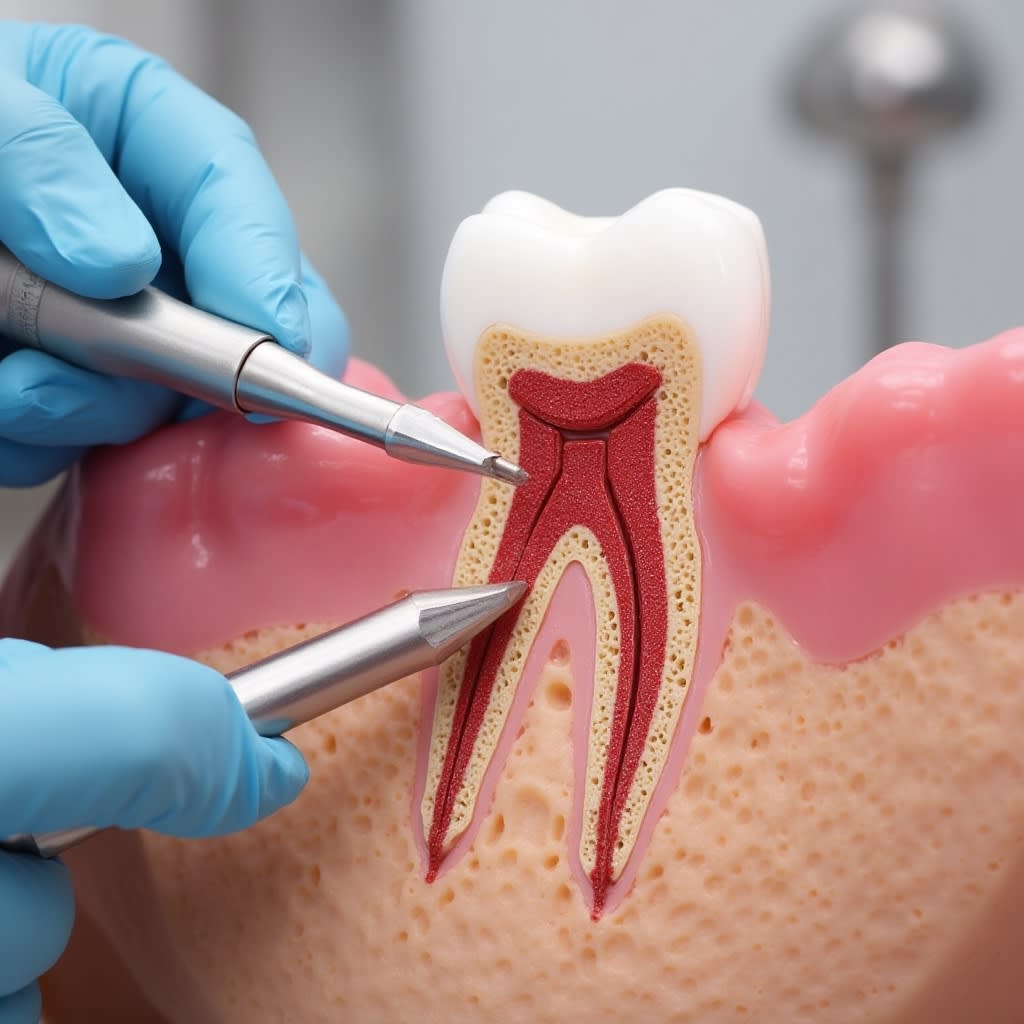
Even though root canals have a bad name, they are one of the best ways to save your teeth. If you’ve been told you need a root canal, you may wonder what’s involved and why.
What Is a Root Canal?
When the pulp inside a tooth is infected or harmed, a root canal is performed to clean out the damage. If the gums become swollen or infected, they may cause excruciating pain and swelling, resulting in tooth loss if left untreated.
The root canal removes the affected tissue, disinfects the area, and seals it to prevent further issues.
Why You Might Need a Root Canal
There are several common reasons a root canal may be necessary:
- Deep Decay: When a cavity extends deep into the tooth and reaches the pulp.
- Repeated Dental Procedures: More than one treatment of the same tooth can irritate the pulp.
- Cracks or Chips: As a result, bacteria might move into the tooth and lead to infection.
- Trauma: A blow to the face—even without visible damage—can harm the pulp.
If these problems exist, your dentist will probably advise having a root canal to prevent the tooth from being removed.
Signs You Might Need a Root Canal
Some symptoms that could indicate a need for a root canal include:
- Severe toothache, especially when chewing
- Prolonged sensitivity to hot or cold
- Swelling or tenderness in nearby gums
- Darkening of the tooth
- A pimple-like bump on the gums
If you experience any of these signs, it’s essential to consult a dentist as soon as possible.
Step-by-Step: What Happens During the Procedure
Awareness of the process can make you feel less worried about your treatment. A root canal usually follows these steps.
1. Examination and X-Rays
Before treating you, your dentist will inspect your tooth closely and use X-rays to identify the problem and plan the procedure.
2. Local Anaesthesia
The area around the tooth is numbed with local anaesthetic to ensure comfort. Most patients compare the sensation to that of getting a filling.
3. Accessing the Pulp
Your dentist drills a tiny hole into the surface of your tooth to get to the infected pulp. This allows the dentist to clean and shape the canals.
4. Removing the Infected Tissue
Special instruments are used to remove the damaged pulp from the canals and disinfect the inside of the tooth. Antibacterial solutions may be used to eliminate any remaining bacteria.
5. Shaping and Filling the Canals
Once the debris is removed, the canals are shaped and plugged with gutta-percha, sealing the area and keeping bacteria out.
6. Restoring the Tooth
A filling is placed to seal the damaged area. A crown usually strengthens the tooth and helps it work properly again.
Is a Root Canal Painful?
Modern techniques and anaesthesia make root canals no more uncomfortable than regular fillings. Most of these procedures give patients meaningful pain relief. The discomfort that follows treatment is usually not severe and can be treated at home with regular medicines.
How a Root Canal Saves Your Tooth
A root canal helps keep the tooth in your mouth by removing infection and blocking its recurrence. This helps maintain your natural smile, supports proper chewing and speaking, and prevents nearby teeth from shifting.
Aftercare and Recovery
Usually, most people feel fine after just a couple of days following a root canal. You may experience some sensitivity for a few days, but it should subside. To ensure proper healing and long-term success:
- Care for your teeth in the ways your dentist explained.
- Don’t chew the tooth that has been treated until all work on it is finished
- It is essential to brush your teeth and use floss every day.
- Keep up with routine dental visits.
When to Contact Your Dentist
Though complications are rare, contact your dentist if you experience:
- Unrelieved severe pain or pressure persisting longer than a few days
- Visible swelling inside or outside your mouth
- An allergic reaction to medicine
- The temporary filling falls out
Final Thoughts
A root canal might sound intimidating, but it's a successful and frequently painless operation that can remove discomfort and preserve your original tooth. Rather than removing the tooth entirely, root canal therapy allows you to protect your smile and avoid more complex dental work in the future.
If you're looking for gentle and reliable root canal treatment in Casula, our team is here to support you every step of the way. Schedule your consultation today and take a step toward lasting dental health.
About the Creator
Casula Dental Care
Dentist Casula, your trusted family dentists providing advanced dentistry and same day emergency care in Casula. Call (02) 9199 9695 or visit us at Shop 17A Casula Mall, 1 Ingham Drive, Casula NSW 2170
Enjoyed the story? Support the Creator.
Subscribe for free to receive all their stories in your feed.
Comments
There are no comments for this story
Be the first to respond and start the conversation.