
What Attracts Deer to Your Garden and How to Stop It
When Bambi’s Gotta Go

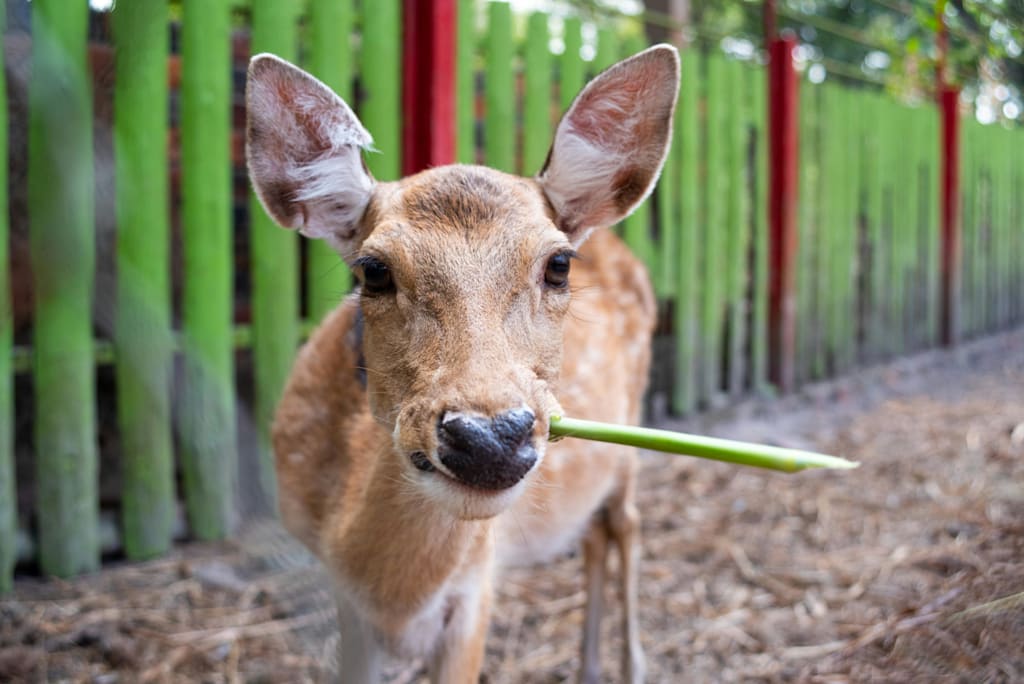
Gardens are a great way to add natural beauty to your land and also provide supplementary food for your family. Unfortunately, word has gotten out on the streets (okay, in the trees) about your plan. They’re in the woods, gazing covetously at your neat rows of cabbage and lettuce. They are deer, and unless you take smart steps to keep them away, they’ll devour your land’s bounty before you can blink.
The Ruminant Diet - Lose A Whole Garden in a Week!
Before you can start planning out how to keep deer from your plot, you’ll need to consider why they are visiting in the first place. There are lots of specific reasons that deer and other animals end up grazing in particular locations, some more useful than others in creating a repellent strategy.
1. Plants and New Growth
Ruminants are attracted by food, of course, but not all plant growth appeals to them in the same way. Deer are looking for grass, certain flowers (including roses and tulips), grains, berries, and vegetables. The last two are particularly bad news for gardeners, as berry plants and veggies like lettuce are quite common choices for crops.
Beyond the types of food they eat, deer also have a preference for softer, newer plants, such as those in the early stages of growth. These are easier for them to digest.
All this means that deer visits to your land might be somewhat seasonal, which is both bad and good. Good, because it means that there might be a dead season where you have time to restrategize if your current tactics are not working; bad in that just because there are currently no deer visiting, they may return. At the same time, gardens, which might be active with different plants year-round, can become a go-to spot for deer.
2. Reliability
This brings us to another thing deer look for: consistency. If these animals find out that a space is continuously producing food, it becomes exponentially more difficult to get them out. Since a piece of land that continually produces things that deer eat is pretty much the definition of a lot of gardens, that is a serious issue to consider. You can’t afford to put off prevention measures, as things are almost definitely going to worsen if you do.
3. Water and Shelter
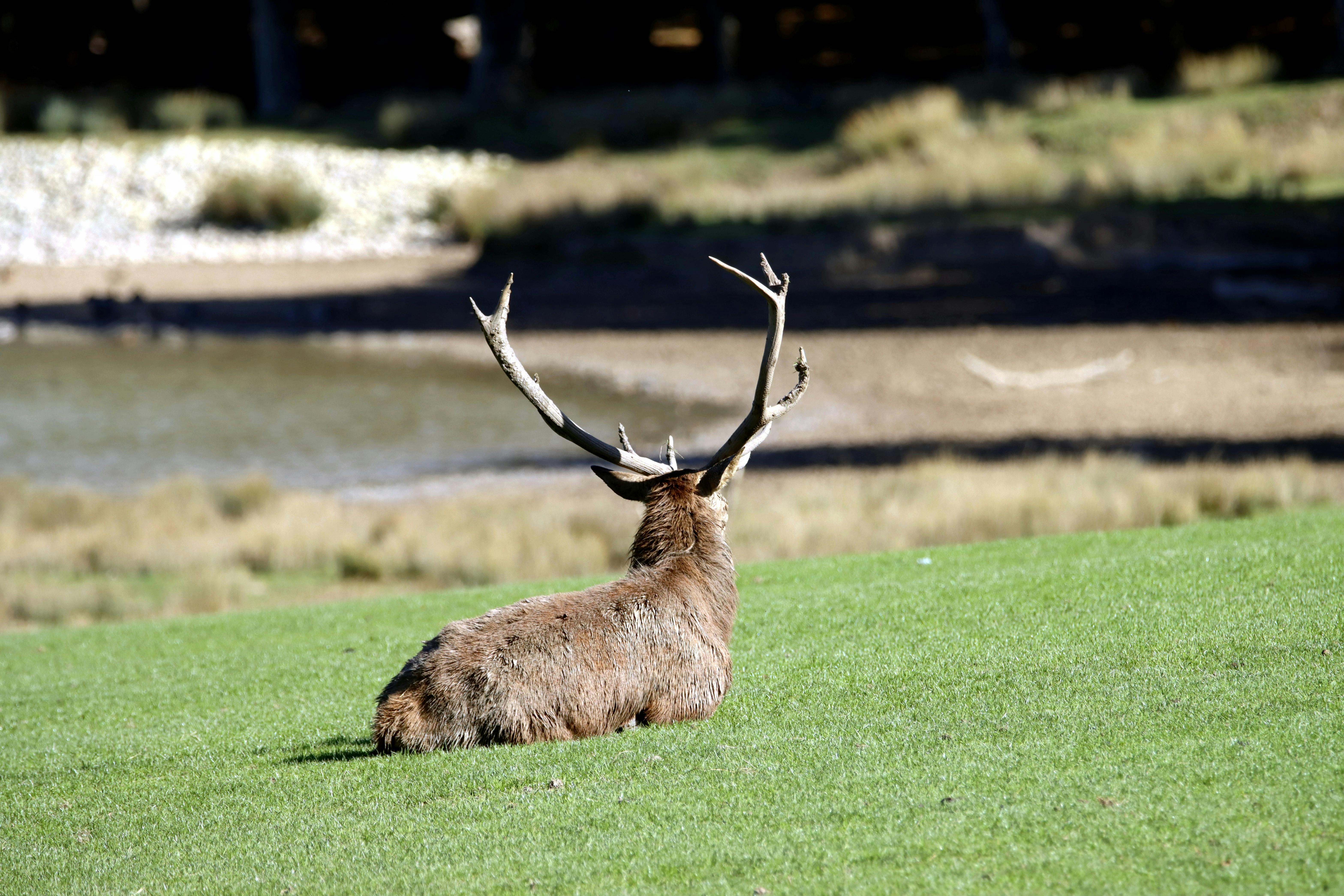
Deer also need to drink and sleep. In fact, there’s evidence that they prefer to find areas where they can do both. Deer populations like to stick close to creeks, ponds, and rivers, which means if your property is near to or features a body of water, you are in extra danger of attracting a herd.
While they definitely do sleep, deer usually do so in the form of short stretches throughout their day, called bedding. They like to change locations frequently and seek out hidden places during the day, so if your land is full of nooks and crannies, it looks a lot more like a hotel to deer.
What Can Be Done?
So now you know why the animals are visiting your gardens in particular. What can you do to stop them? There are a lot of strategies of various efficacy, and we will walk you through the most important.
1. Good Fences Make Good Neighbors
Time has shown that the best way to keep out deer, along with pretty much all other kinds of wildlife, is a physical barrier. A fence can come in many shapes and sizes, though not all of them are made the same or work as well.
The first choice for your deer fence is the materials. One option is some variety of plastic, like polypropylene or polyethylene. These fences vary widely by quality. A good rule of thumb is if you can rip the fence by hand without excess exertion, a motivated deer will almost certainly be able to push through with ease. Make sure you go with something sturdier.
The other common material is metal of some kind, like steel wire. Metal is heavier and somewhat less wieldy than plastic, but it is undeniably stronger, as long as you aren’t talking about cheap wire. It often has a longer lifespan as well. The biggest tradeoff, however, is cost, as metal will usually set you back considerably more than plastic does.
Beyond material, the next biggest consideration (pun absolutely intended) is height. Deer can jump up to 10 feet in some circumstances, but 7-8 feet is far more common. Any fence shorter than that is inadequate to your needs, and will fail to keep your plants safe.
2. You Are What You Grow
Deer have a broad diet, but they won’t eat literally anything, even if it seems that way after they’ve run roughshod over your plot. Several kinds of plants resist or repel the animals. While you may have ambitions to grow other, more deer-attracting plants, you can use repellent plants strategically around the items that look yummiest to ruminants to hide the good stuff.
3. Staying Trim(med)
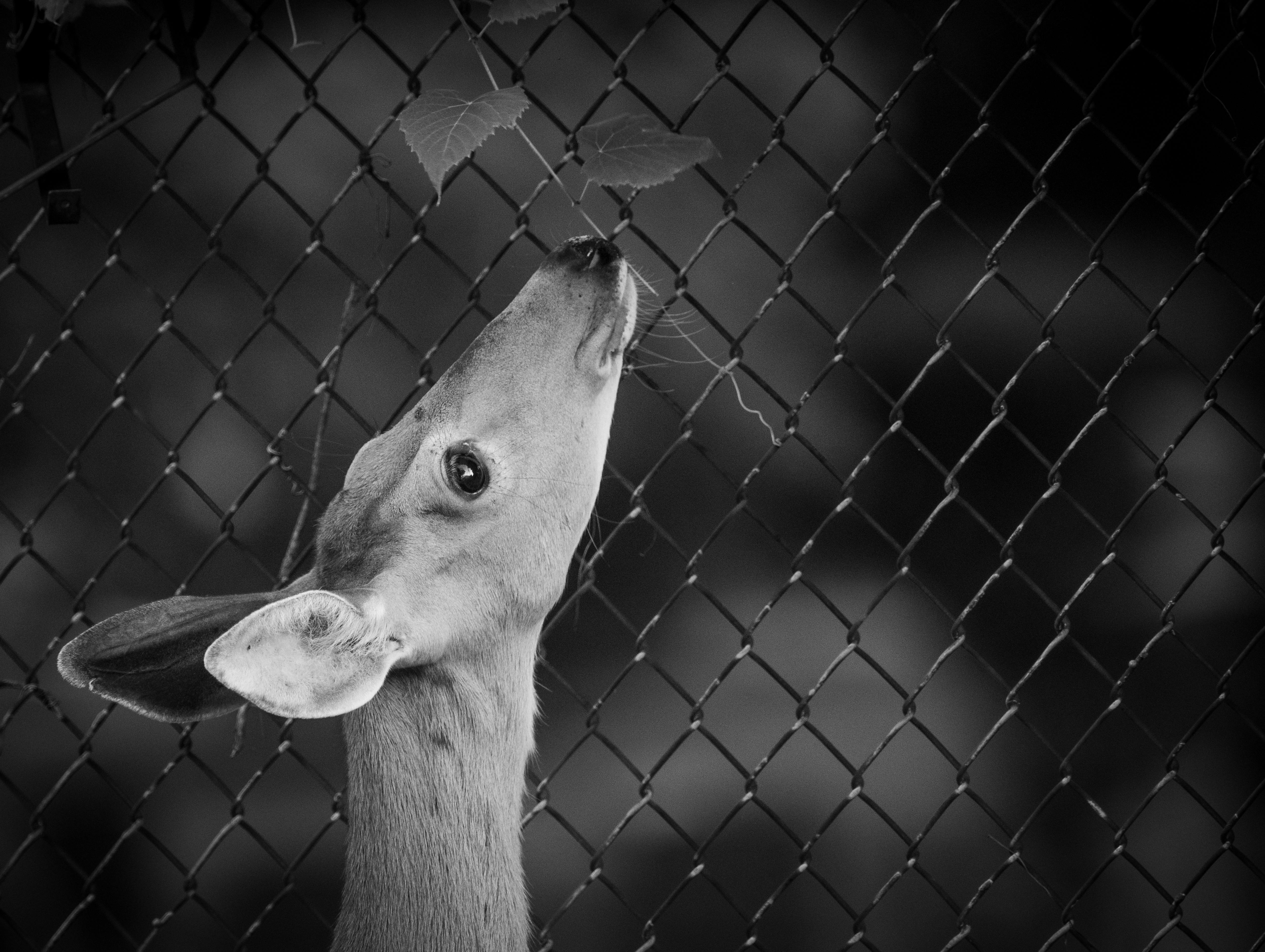
Any sort of barrier falls apart if your plants end up breaching them. One very common mistake people make is growing plants right up against their fence line, leading to berries that overhang the property. These low-hanging treats are deer magnets, and not only lead to animals feeding on your borders and the fruit that defies them, but also serve as a signpost to craftier animals that more food is just a short distance away.
Perhaps even worse, though, overhanging plants can end up seeding near your property. Left untended, this leads to new growth outside. If not dealt with swiftly, you can end up with a separate garden outside yours, drawing in all the nearby wildlife.
Living the Garden Life
None of these difficulties should hold you back from enacting your garden dreams. There are all sorts of things you can do to adjust your plot and keep away the critters. Start with a sturdy fence, plan your yield, tend your outskirts, and you’ll be enjoying the (possibly literal) fruits of your labor in no time.
About the Creator
Andrew Lemieux
Andrew is a creative writer, poet, and content strategist. He is passionate about literature, food, wine, travel, and sports. In his spare time he enjoys working on home projects and restoring the 1837 Greek Revival he and his wife own.
Enjoyed the story? Support the Creator.
Subscribe for free to receive all their stories in your feed.
Comments
There are no comments for this story
Be the first to respond and start the conversation.