
What Are the Signs of Heartburn, and How to Control Them
If you’re experiencing heartburn, there are a few signs to look out for. and there are a few things you can do to help control it.
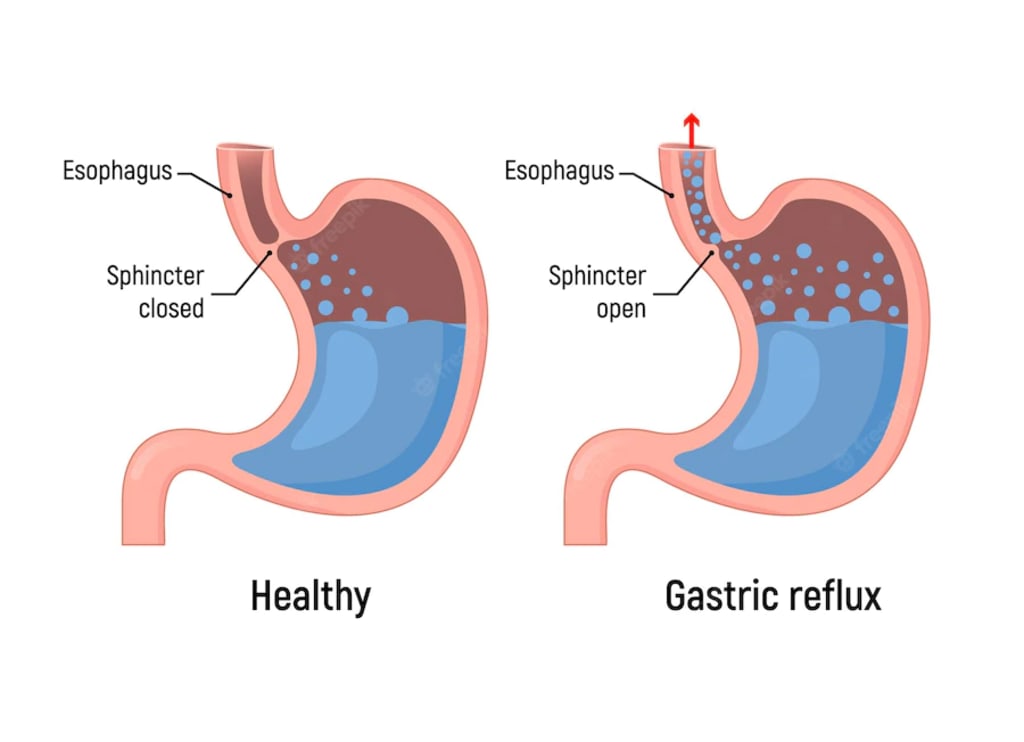
Heartburn is a common condition that can cause burning pain in your chest or throat. It occurs when stomach acid backs up into your esophagus, the tube that carries food from your mouth to your stomach.
Heartburn can be caused by various factors, including certain foods and drinks, overeating, or even stress. While it’s usually not serious, it can be uncomfortable and interfere with your daily activities.
If you’re experiencing heartburn, there are a few signs to look out for. The most common symptom is a burning sensation in your chest or throat. You may also experience a sour taste in your mouth, a feeling of fullness after eating, or difficulty swallowing.
Severe Chest Pain
Chest pain is one of the most common symptoms of a heart attack. It can be a frightening experience, and it is essential to take it seriously. If you have unbearable chest pain, it is vital to seek medical attention right away.
The most common cause of chest pain is heartburn, a burning sensation in the chest caused by acid reflux. However, suppose the pain is accompanied by other symptoms such as an irregular heartbeat, arm, shoulder, or face pain, weakness, or shortness of breath. In that case, it is important to seek medical attention immediately. These symptoms may indicate a severe cardiac attack, such as a heart attack.
Persistent Cough
Coughing is a common symptom of many different illnesses and conditions. From the common cold to asthma, coughing can be a sign of many different ailments. But when it is accompanied by heartburn, it can be difficult to determine whether the two are related.
A persistent cough and heartburn can create a vicious cycle, with one making the other worse. If left untreated, both conditions can cause severe damage to the esophagus and other parts of the body. Heartburn can cause inflammation and scarring of the esophagus, while a persistent cough can cause damage to the lungs and airways.
It is essential to seek medical advice if you have both heartburn and a persistent cough.
Unexplained Weight Loss or Abdominal Symptoms
When it comes to heartburn, many people think of the burning sensation in the chest that often follows a large meal or spicy food. But you should be aware of other signs of heartburn, such as unintended weight loss or stomach symptoms.
Unexplained weight loss can be a sign of heartburn, as the stomach acid that causes the burning sensation can also cause the body to absorb fewer nutrients from food. This can lead to weight loss, even if you’re eating the same food as before. Stomach symptoms such as nausea, vomiting, abdominal pain, and bloating can also be heartburn signs.
If you’re experiencing any of these heartburn signs, it’s important to take steps to control them. The first step is to make lifestyle changes, such as avoiding foods that trigger heartburn and eating smaller meals more often. You should also avoid lying down after eating, as this can make heartburn worse.
If lifestyle changes don’t help, your doctor may recommend antacids or proton pump inhibitors. These medications can help reduce the amount of stomach acid and relieve heartburn.
Over-the-Counter Medications No Longer Effective
Heartburn is a common condition that affects millions of people around the world. Stomach acid reflux causes it into the esophagus, which can cause a burning sensation in the chest and throat. While over-the-counter (OTC) antacids can provide temporary relief, they may not be enough to control heartburn symptoms in the long term.
When OTC drugs or antacids stop working, it is important to seek medical advice. Your doctor can help you determine the underlying cause of your heartburn and provide a treatment plan tailored to your individual needs.
Common causes of heartburn include eating too much, eating certain foods, drinking alcohol, smoking, and being overweight. Stress and certain medications can also trigger heartburn.
In some cases, your doctor may recommend medications to control the symptoms of heartburn. Pharmaceutical companies can help by developing medications that help to reduce the symptoms of heartburn, such as antacids, H2 blockers, and proton pump inhibitors. These medications work by reducing the amount of acid produced by the stomach.
How to Control Them
Improve Posture
Standing up straight can help to reduce the pressure on the lower esophageal sphincter (LES), which is the muscle that separates the stomach from the esophagus. When the LES is relaxed, it allows stomach acid to flow back into the esophagus, which can cause heartburn. The LES is kept in a more closed position by standing up straight, reducing the risk of acid reflux.
Prop Up Your Upper Body
Elevating your upper body can help to reduce the symptoms of heartburn by keeping stomach acid from flowing back up into the esophagus. This can be done by sleeping with your head and shoulders propped up on pillows or by sleeping in a recliner chair. It is also important to avoid lying down after eating, as this can cause the stomach acid to back up into the esophagus.
Wear Comfortable Clothing
Loose clothing can help reduce the pressure on the stomach and esophagus, which can help reduce the symptoms of heartburn. Tight clothing can put pressure on the stomach, which can cause the stomach acid to flow back up into the esophagus.
It is also important to choose clothing that is made from breathable fabrics, such as cotton, linen, or silk. These fabrics allow air to circulate and help to keep the body cool, which can help to reduce the risk of heartburn.
Create a Baking Soda Solution
When taking baking soda for heartburn, it is important to drink plenty of water throughout the day to help flush out the excess acid. It is also important to avoid foods that can trigger heartburn, such as spicy foods, citrus fruits, and fatty foods. Eating smaller meals more frequently can also help to reduce the symptoms of heartburn.
Avoid Secondhand Smoke
Cigarette smoke contains thousands of chemicals, many of which can irritate the lining of your esophagus and stomach. This irritation can lead to heartburn, which is a burning sensation in your chest that can be accompanied by a sour taste in your mouth.
Take Licorice Supplements
Licorice supplements are derived from the root of the licorice plant, which has been used for centuries to treat various ailments. The active ingredient in licorice is glycyrrhizin, which has anti-inflammatory properties that can help reduce the symptoms of heartburn. Licorice supplements can be taken in the form of capsules, tablets, or liquids.
When taking licorice supplements for heartburn, it is important to follow the instructions on the package carefully. It is also important to talk to your doctor before taking any supplements, as some people may be allergic to licorice or may have other medical conditions that could be affected by taking the supplement.
Conclusion:
Heartburn can be uncomfortable, but it doesn’t have to interfere with your daily life. By understanding the signs and taking steps to control them, you can find relief and get back to enjoying your day with the help of developing medications by a pharma company in Surat.
If you’re experiencing heartburn, there are a few things you can do to help control it. Avoiding certain foods and drinks that can trigger heartburn is a good place to start. These include spicy foods, fatty foods, citrus fruits, chocolate, coffee, and alcohol.
About the Creator
Pratik Shah
Pharmacist at Staple Pharma
Enjoyed the story? Support the Creator.
Subscribe for free to receive all their stories in your feed.
Comments
There are no comments for this story
Be the first to respond and start the conversation.