
What Are the Most Common Types of Heart Diseases?
Common Heart Diseases and Their Treatments
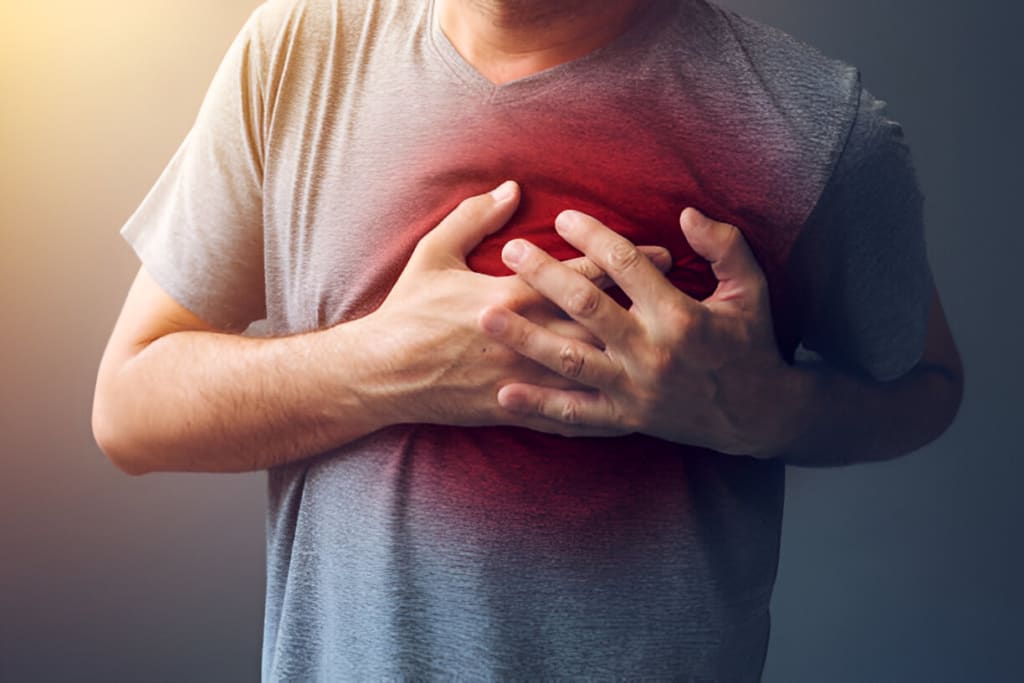
Heart diseases are among the leading causes of death globally, affecting millions of individuals each year. Despite advancements in healthcare, the prevalence of cardiovascular conditions remains high, largely due to lifestyle factors, genetics, and aging populations. Understanding the various types of heart diseases is essential in managing health risks and seeking timely medical intervention. Let’s explore the most common types of heart diseases, their causes, symptoms, and potential treatments.
1. Coronary Artery Disease (CAD)
What is it?
Coronary Artery Disease, often referred to as CAD, is the most common type of heart disease. It occurs when the arteries that supply blood to the heart become narrowed or blocked due to plaque buildup, a condition known as atherosclerosis.
Symptoms:
Chest pain (angina)
Shortness of breath
Fatigue
Heart attack (in severe cases)
Causes:
High cholesterol
Smoking
Hypertension
Sedentary lifestyle
Treatment:
Lifestyle changes, medications, and in severe cases, procedures such as angioplasty or coronary artery bypass surgery are used to manage CAD. Early diagnosis at a heart hospital in Vadodara can significantly improve outcomes for patients suffering from this condition.
2. Heart Failure
What is it?
Heart failure occurs when the heart is unable to pump blood effectively, leading to insufficient blood flow to meet the body’s needs. It doesn’t mean the heart stops working completely but rather that it functions at a reduced capacity.
Symptoms:
Swelling in the legs, ankles, or abdomen
Fatigue and weakness
Rapid or irregular heartbeat
Persistent cough or wheezing
Causes:
Coronary artery disease
High blood pressure
Previous heart attacks
Diabetes
Treatment:
Heart failure is usually managed through lifestyle modifications, medications, and sometimes surgical interventions like pacemaker implantation. Specialists at a heart hospital can tailor treatment plans based on the severity and specific cause of heart failure.
3. Arrhythmia
What is it?
Arrhythmia refers to an irregular heartbeat, which can be too fast, too slow, or erratic. It occurs when the electrical signals that coordinate heartbeats malfunction.
Symptoms:
Fluttering in the chest
Dizziness or light-headedness
Shortness of breath
Fainting (in severe cases)
Causes:
Heart disease
Imbalance of electrolytes
Stress
Certain medications
Treatment:
Arrhythmias can be treated with medications, lifestyle changes, or medical devices like pacemakers. In some cases, a procedure called ablation may be performed to correct the heart’s rhythm.
4. Cardiomyopathy
What is it?
Cardiomyopathy refers to diseases of the heart muscle that make it harder for the heart to pump blood. This condition can lead to heart failure and is often categorized into different types, such as dilated, hypertrophic, and restrictive cardiomyopathy.
Symptoms:
Shortness of breath
Fatigue
Swelling in the legs, ankles, or feet
Irregular heartbeats
Causes:
Genetic factors
Long-term high blood pressure
Heart valve problems
Metabolic disorders
Treatment:
Treatment typically involves managing symptoms with medications and lifestyle adjustments, and in advanced cases, heart transplants or other surgical procedures may be necessary.
5. Valvular Heart Disease
What is it?
Valvular heart disease involves damage to one or more of the heart's valves, which regulate blood flow within the heart. When the valves do not open or close properly, it can disrupt blood circulation.
Symptoms:
Fatigue
Shortness of breath
Chest pain
Swelling in the feet or ankles
Causes:
Rheumatic fever
Congenital defects
Infections
Aging
Treatment:
Depending on the severity, treatment may include medications, repair, or valve replacement surgery. Early detection through regular check-ups is crucial in managing this condition effectively.
Conclusion
Heart diseases come in many forms, each with its own set of symptoms, causes, and treatment methods. Early detection and preventive care play a significant role in managing these conditions, which is why regular check-ups are so important, especially for individuals with risk factors such as high blood pressure, high cholesterol, or a family history of heart disease. By seeking care from a reputable facility, patients can access advanced treatments and expert guidance tailored to their unique health needs.
Taking steps to maintain a heart-healthy lifestyle, including a balanced diet, regular exercise, and stress management, can significantly reduce the risk of developing heart disease. Always consult a healthcare professional if you experience any concerning symptoms, as early intervention is key to improving heart health.
About the Creator
Rhythm Heart Institute
Rhythm Heart Institute is one of the best heart hospitals in Vadodara. With an expert team of cardiologists, we provide world-class cardiac care. Consult our doctors today.
Enjoyed the story? Support the Creator.
Subscribe for free to receive all their stories in your feed.
Comments
There are no comments for this story
Be the first to respond and start the conversation.