
What Are the Different Types of Acupuncture Treatments Available in London?
Exploring the Many Ways Acupuncture Can Restore Balance in London

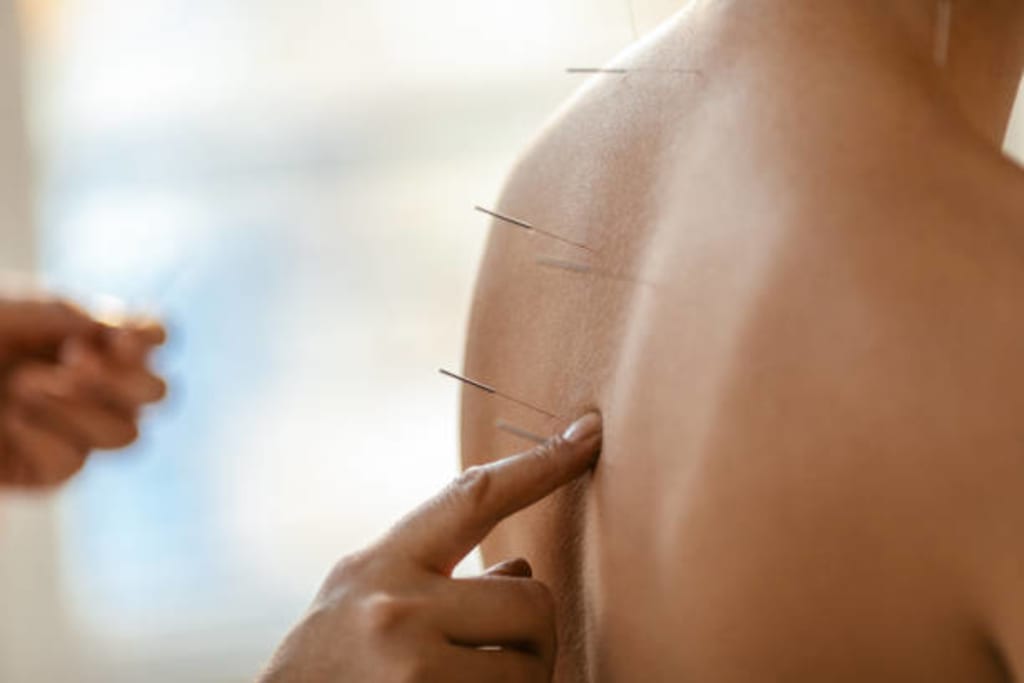
Acupuncture has been used for centuries to help with a variety of health concerns. Whether you're dealing with pain, stress, or other conditions, this traditional practice offers different treatment options. If you’re looking for acupuncture in London, you’ll find a range of styles and techniques tailored to different needs. In this blog, we’ll look at the most common types of acupuncture available in the city and what they can do for you.
1. Traditional Chinese Medicine (TCM) Acupuncture
This is the most well-known form of acupuncture. It focuses on balancing the body’s energy, known as Qi, by inserting thin needles into specific points. Practitioners assess a person’s overall health before deciding on the right points to target. TCM acupuncture is used for pain relief, stress reduction, digestive issues, and even sleep problems.
2. Five Element Acupuncture
This approach is based on the five elements—wood, fire, earth, metal, and water—and how they relate to the body. Practitioners believe that imbalances in these elements can affect physical and emotional health. Five Element Acupuncture is often used for mental well-being, helping with conditions like anxiety, depression, and emotional blockages.
3. Electro-Acupuncture
Electro-acupuncture combines traditional needle techniques with electrical stimulation. A mild electric current is passed between pairs of needles to increase stimulation. This method is often recommended for chronic pain, muscle recovery, and neurological conditions like migraines or nerve damage. It is widely available in acupuncture clinics across London.
4. Auricular (Ear) Acupuncture
Auricular acupuncture focuses on the ear, where different points are linked to organs and body systems. This method is commonly used for addiction recovery, weight management, and stress relief. It can be done using needles, ear seeds, or small magnets that stimulate the pressure points.
5. Japanese Acupuncture
Japanese acupuncture is similar to TCM acupuncture but uses finer needles and shallower insertion. The technique focuses on gentle touch and precise needle placement. This style is suitable for people with sensitive skin, children, or those who may be nervous about traditional acupuncture. It is particularly good for pain relief and digestive issues.
6. Korean Hand Acupuncture
This method focuses only on the hands, where small acupuncture points correspond to different parts of the body. It is often used for pain relief and to support the immune system. Since it doesn’t require needles in other areas of the body, it is an option for those who prefer a more localized treatment.
7. Scalp Acupuncture
Scalp acupuncture targets points on the head and is mainly used for neurological conditions such as stroke recovery, multiple sclerosis, and Parkinson’s disease. It can also help with headaches and cognitive function. Many London clinics offer this treatment for patients recovering from brain injuries.
8. Cosmetic Acupuncture
Also known as facial acupuncture, this treatment is used to improve skin health and reduce signs of aging. It works by increasing blood flow to the face, which can help with wrinkles, dull skin, and muscle tone. Many wellness centers and beauty clinics in London now offer this as a natural alternative to Botox and other cosmetic treatments.
9. Trigger Point Acupuncture (Dry Needling)
Dry needling is often used by physiotherapists and sports therapists to target tight muscles and trigger points. Unlike traditional acupuncture, it focuses on releasing muscle knots and relieving tension. It is a popular choice for athletes and those recovering from injuries.
10. Moxibustion Acupuncture
Moxibustion involves burning a dried herb called mug wort near acupuncture points. The heat helps stimulate the points and improve circulation. This method is often used for conditions like arthritis, digestive issues, and menstrual pain. Some London clinics combine moxibustion with traditional acupuncture for better results.
11. Cupping Therapy with Acupuncture
Cupping therapy is sometimes combined with acupuncture to improve blood flow and release muscle tension. Cups are placed on the skin to create suction, which helps loosen tight muscles and improve circulation. Many London acupuncture clinics offer this treatment alongside needle therapy for pain management and relaxation.
Choosing the Right Acupuncture Treatment in London
With so many options available, choosing the right acupuncture treatment depends on your needs and health goals. If you’re unsure, most practitioners in London offer consultations to discuss your symptoms and recommend the best approach.
If you’re dealing with stress or emotional concerns, Five Element Acupuncture or auricular acupuncture might be a good choice. For pain relief, electro-acupuncture or dry needling could provide the relief you need. If you’re interested in natural beauty treatments, cosmetic acupuncture may be worth considering.
Finding a Trusted Acupuncturist in London
When looking for acupuncture in London, it’s important to choose a qualified and experienced practitioner. Check if they are registered with a professional body like the British Acupuncture Council (BAcC) or the Association of Traditional Chinese Medicine (ATCM). Reading reviews and asking for recommendations can also help you find a reputable clinic.
Final Thoughts
Acupuncture offers a range of treatments to support both physical and emotional well-being. Whether you’re looking for traditional techniques or modern approaches like electro-acupuncture, there are plenty of options available in London. By choosing the right method and practitioner, you can enjoy the benefits of this time-tested therapy.
About the Creator
London Osteopathy Pilates
We at, London Osteopathy and Pilates provides osteopathy, clinical Pilates, acupuncture, sports massage, biomechanical assessment and many more.
Enjoyed the story? Support the Creator.
Subscribe for free to receive all their stories in your feed.
Comments
There are no comments for this story
Be the first to respond and start the conversation.