
What Are Electrolytes and Why Are They Important?
Electrolytes are minerals in your body that have an electric charge.
What Are Electrolytes?
Electrolytes are minerals in your body that have an electric charge. They help your body work properly. These minerals include sodium, potassium, calcium, magnesium, chloride, phosphate, and bicarbonate. They are found in your blood, sweat, and urine.
Electrolytes are very important because they help with:
Hydration (keeping your body’s fluids balanced)
Nerve signals (helping your brain and body communicate)
Muscle function (especially your heart and other muscles)
Balancing the pH level of your blood
Why Your Body Needs Electrolytes
Electrolytes help control how much water is in your body. They move water into and out of your cells. They also help your nerves and muscles work. Without the right balance of electrolytes, your heart, brain, and muscles can’t work right.
Types of Electrolytes and What They Do
Sodium (Na⁺)
Keeps your fluids in balance
Helps your nerves and muscles work
Too much sodium can lead to high blood pressure
Too little sodium can make you feel tired, confused, or sick
Potassium (K⁺)
Helps your muscles contract (including your heart)
Keeps your heartbeat steady
Too much or too little can cause muscle weakness or heart problems
Calcium (Ca²⁺)
Builds strong bones and teeth
Helps muscles move and blood clot
Low calcium can cause muscle cramps or spasms
Magnesium (Mg²⁺)
Helps with muscle and nerve function
Supports a healthy heart
Helps your body make energy
Low magnesium can cause tiredness and muscle cramps
Chloride (Cl⁻)
Helps keep the right balance of fluids
Works with sodium
Helps with digestion by forming stomach acid
Phosphate (PO₄³⁻)
Helps build bones
Gives your body energy
Works with calcium to keep bones strong
Bicarbonate (HCO₃⁻)
Keeps the acid and base balance in your body
Helps your body maintain a healthy pH level
What Happens When Electrolytes Are Out of Balance?
If you have too many or too few electrolytes, you can feel sick. This is called an electrolyte imbalance. It can be caused by:
Not drinking enough water
Sweating too much
Vomiting or diarrhea
Certain medicines
Kidney problems
Common Signs of Imbalance:
Muscle cramps
Weakness
Headaches
Nausea or vomiting
Confusion
Irregular heartbeat
How Do We Lose Electrolytes?
You lose electrolytes when you:
Sweat
Go to the bathroom
Are sick with vomiting or diarrhea
Exercise for a long time or in the heat
Don’t eat enough healthy foods
How to Get Electrolytes Back
1. Drink Fluids with Electrolytes
Sports drinks
Coconut water
Oral rehydration solutions
Avoid drinks that are high in sugar
2. Eat Electrolyte-Rich Foods
Bananas, oranges, avocados – for potassium
Milk, cheese, yogurt – for calcium
Nuts, seeds, leafy greens – for magnesium
Salted foods – for sodium and chloride
Eggs, fish, meat – for phosphate
3. Use Electrolyte Supplements (If Needed)
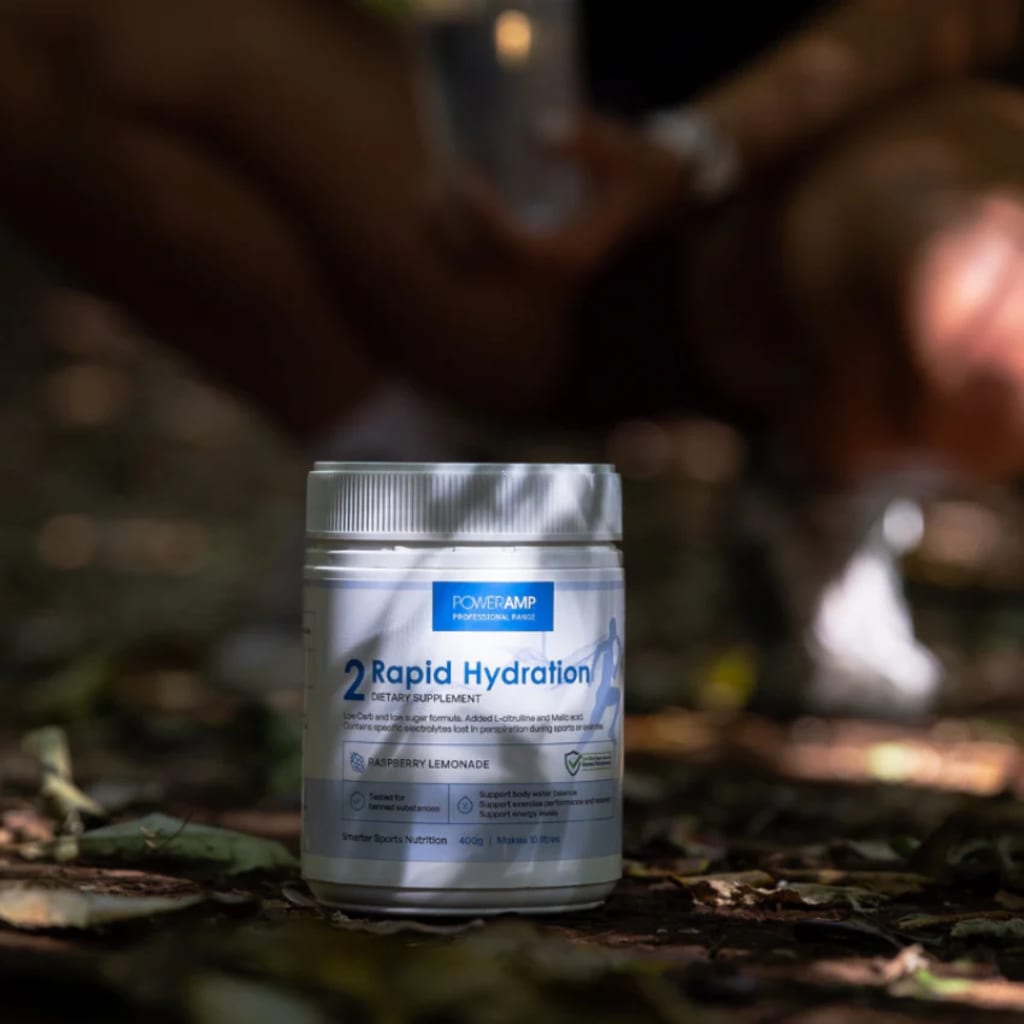
Sometimes your doctor may recommend tablets or electrolyte powder to add to water. These are helpful if you are:
Working out hard
Sick
On a special diet
Taking certain medicines
Who Needs to Watch Electrolytes Closely?
Some people need to be more careful about electrolytes:
Athletes
Older adults
People with kidney or heart problems
Anyone taking water pills (diuretics)
People recovering from illness or surgery
Testing Electrolyte Levels
Doctors can check your electrolytes with a simple blood test. If something is too high or too low, they can help you fix it with the right treatment or diet.
Electrolytes and Exercise
When you exercise hard, you sweat a lot, and lose electrolytes. If you don’t replace them, you can feel weak, dizzy, or get cramps. Drinking water with electrolytes before, during, and after a workout helps your body stay strong and recover faster.
Electrolytes in Medical Emergencies
Doctors often give fluids with electrolytes in emergencies like:
Heatstroke
Severe dehydration
Diabetes problems
Shock
Serious infections
These fluids help your body work normally again.
Keep Your Electrolytes Balanced Every Day
To stay healthy:
Drink enough water
Eat a healthy diet
Rest after exercise
Talk to your doctor if you feel unwell
Electrolytes may be small, but they are very important. They help your heart beat, your muscles move, and your brain think. Keep them balanced for better health every day.
About the Creator
Enjoyed the story? Support the Creator.
Subscribe for free to receive all their stories in your feed.
Comments
There are no comments for this story
Be the first to respond and start the conversation.