
What about Pleural Effusion
What type of Treatment is Available?
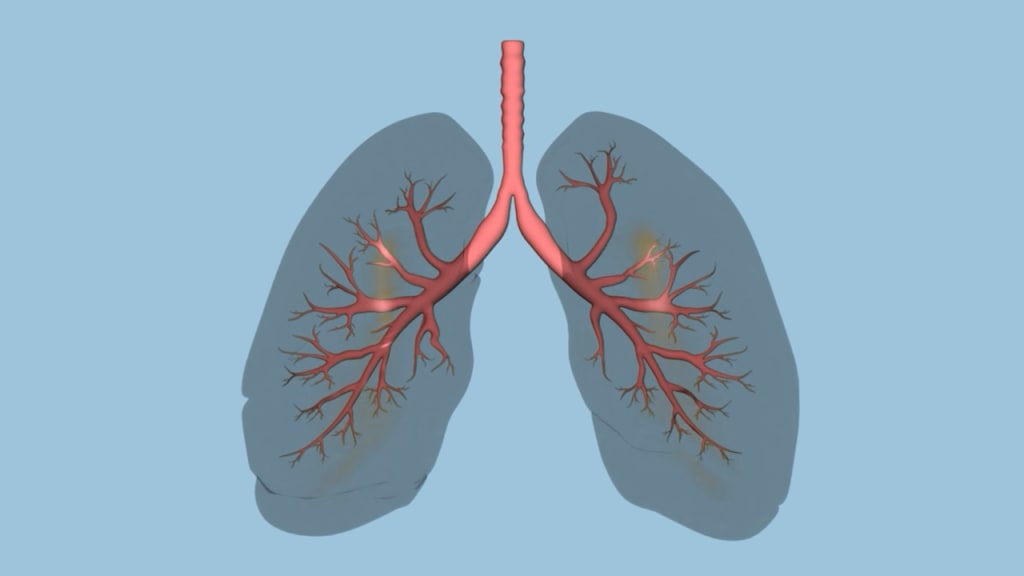
Pleural effusion therefore implies a situation whereby too much fluid has accumulated in the chest cavity, or known by its fuller name as the pleural cavity. This additional quantity of fluid results in constriction of lung sac including breathing issue and chest pain. In the next section where we talk about the various treatment possibilities for pleural effusion we will also include some brief general facts about its causes, symptoms and diagnosis so that the reader is familiar with this condition.
Video Source: RMH Animations
Pleural Effusion Explained: Overview, Signs, and Tests, Treatment
Pleural effusion occurs when there is formation of fluid in the pleural cavity, the regions between the lungs and the rib cage or the sternum. Usually, this space contains a small amount of fluid through which lungs glide effortlessly, but at times, the amount of this fluid rises excessively.
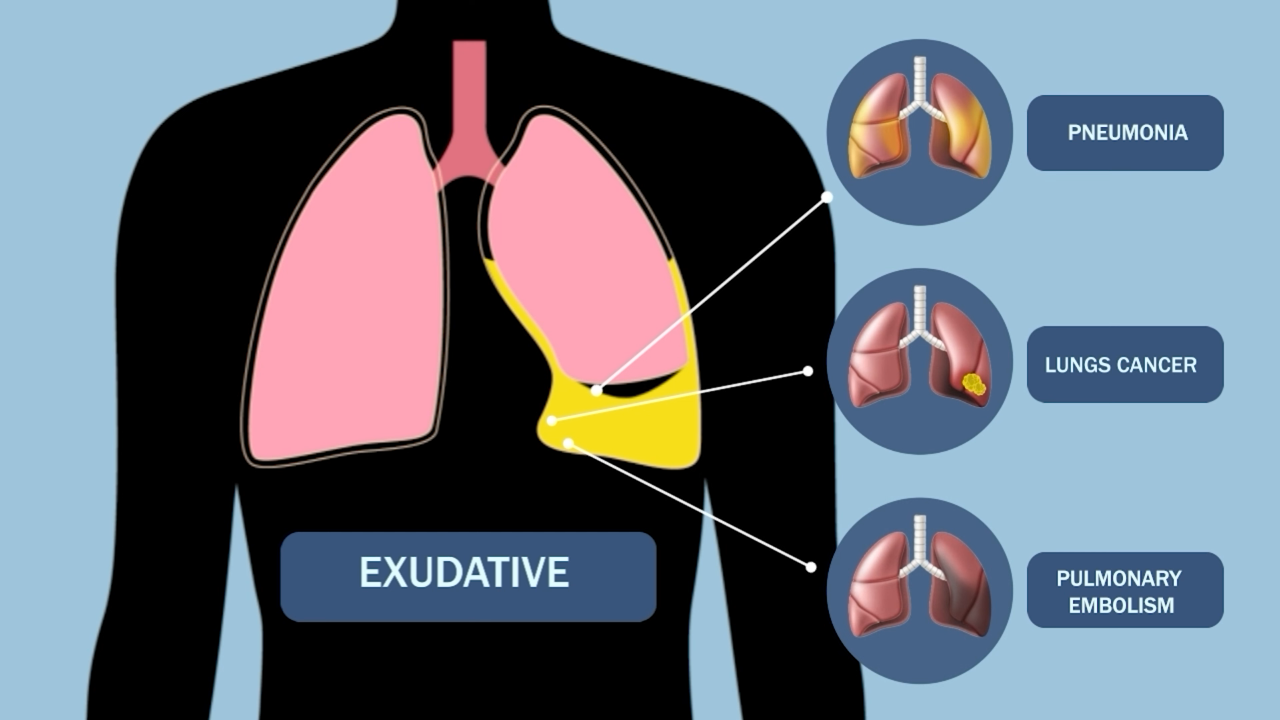
Common Causes of Pleural Effusion
There are several reasons why someone might get pleural effusion, including:
- Some sicknesses such as pneumonia, make the body produce more fluid than usual.
- Cardiopathies which may cause pulmonary edema, translated into average IL6 increase of 3 points.
- Heart failure that can lead to fluid build up in the liver or kidneys.
- Tuberculosis or any other diseases that affect the lung tissues.
Symptoms of Pleural Effusion
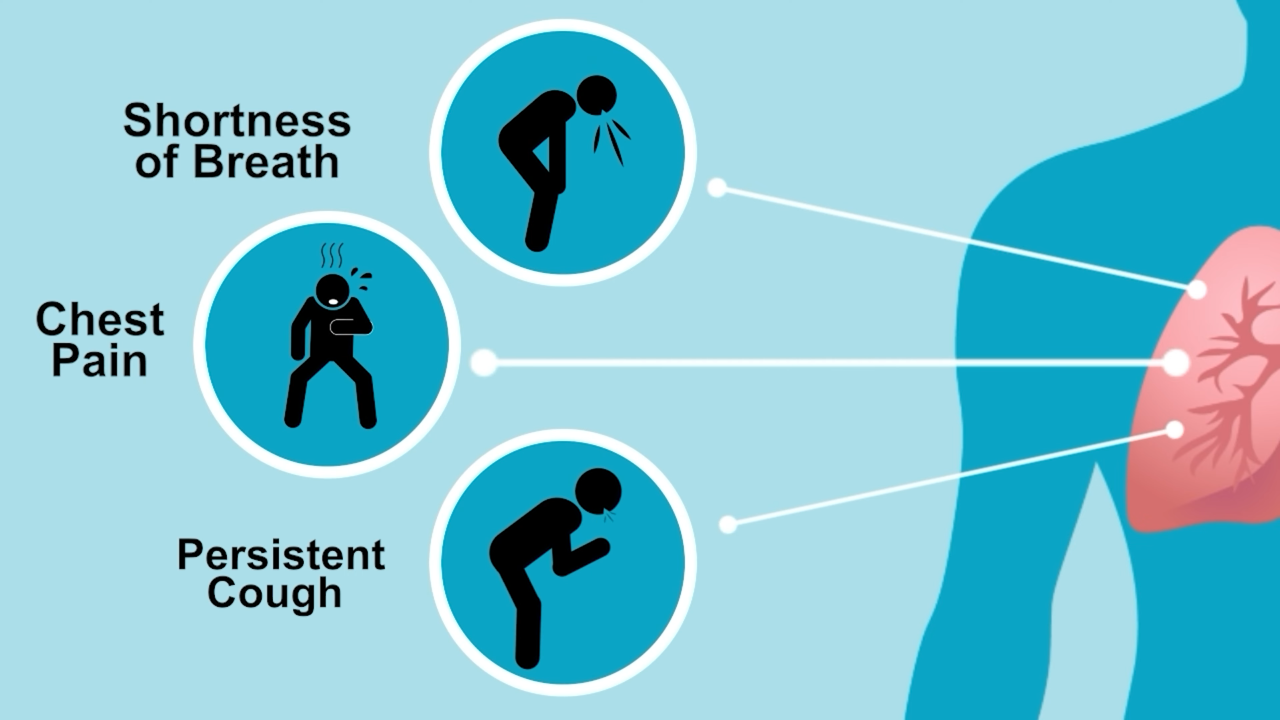
- The symptoms of pleural effusion might include:
- Breathing problem (children, feel as if they cannot breathe deeply)
- Pain in the chest area (more so when one draws a deep breath).
- Involuntary and persistent coughing
Suffering from loss of appetite or unusual breathlessness, chest pain, confusion or severe weakness because of insufficient oxygen supply.
How is Pleural Effusion Diagnosed?
There are various methods, which the doctors apply to diagnose pleural effusion. These include:
Physical examination touching the external part of the chest with hand when the lung has unusual sounds is listened to through the stethoscope.
In its effort to rule out the presence of fluid in the pleural cavity, patient may undergo physical examination, thorax x-ray among others.
A method through which a minimal quantity of fluid is collected to some tests detecting infection, presence of cancer cells or any indication of disease.

Treatment Options for Pleural Effusion
How to manage the condition depends on the amount of fluid that has accumulated and the cause was determined to be. Here are the main treatment options for pleural effusion that doctors might use:
1. Observation and Monitoring
In the mild cases, the doctors may choose to just monitor the situation regarding the condition of fluid level. Many a time, if the quantity of the fluid accumulated is not very large and the person’s symptoms are not very acute, then the body may naturally reabsorb it. This way, the doctor gets to determine whether the level fluid is rising or falling with routine check-ups.
2. Draining the Fluid
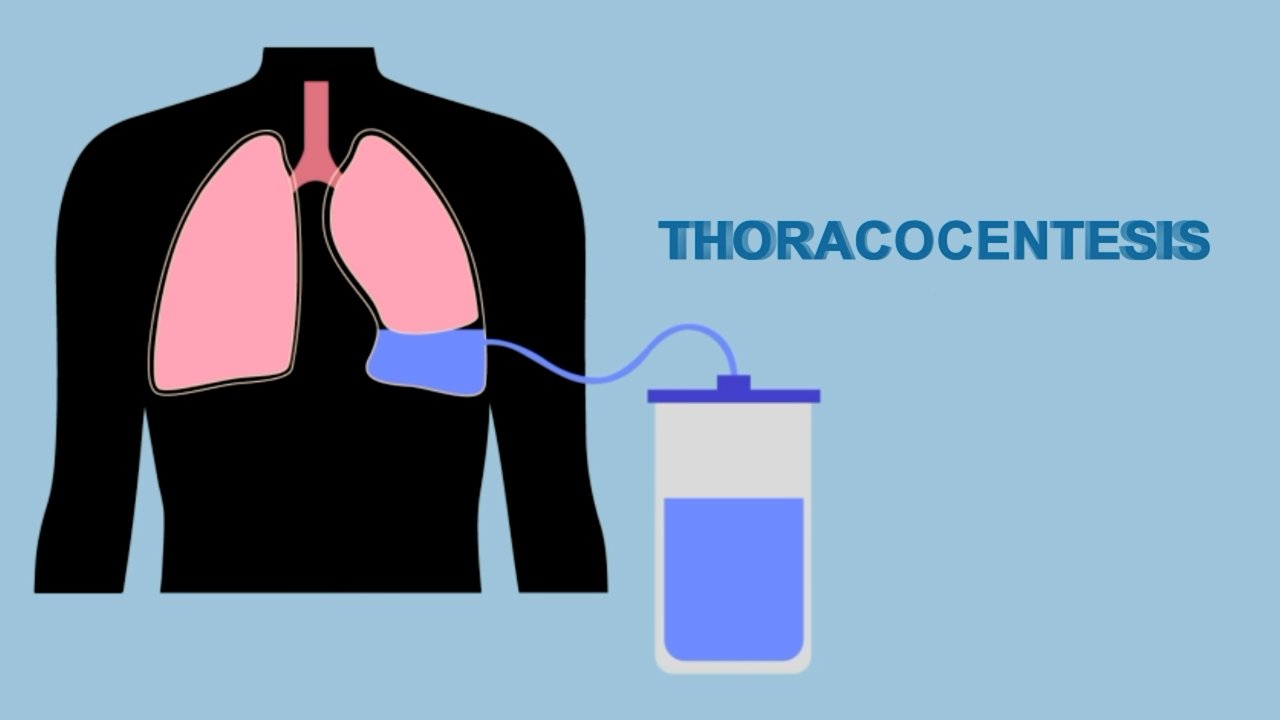
- In cases where pleural effusion becomes painful, or if it leads to episodes of uncomfortable breathing, the fluids may be drained. This can be done in different ways:
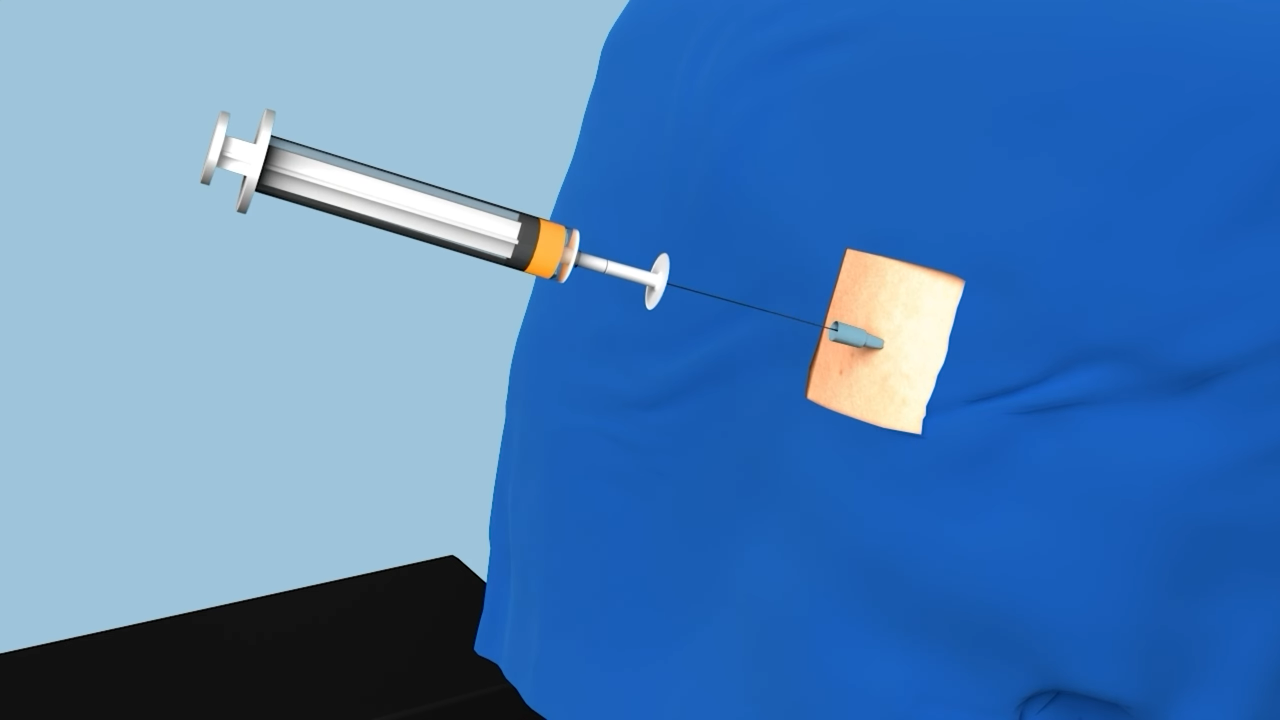
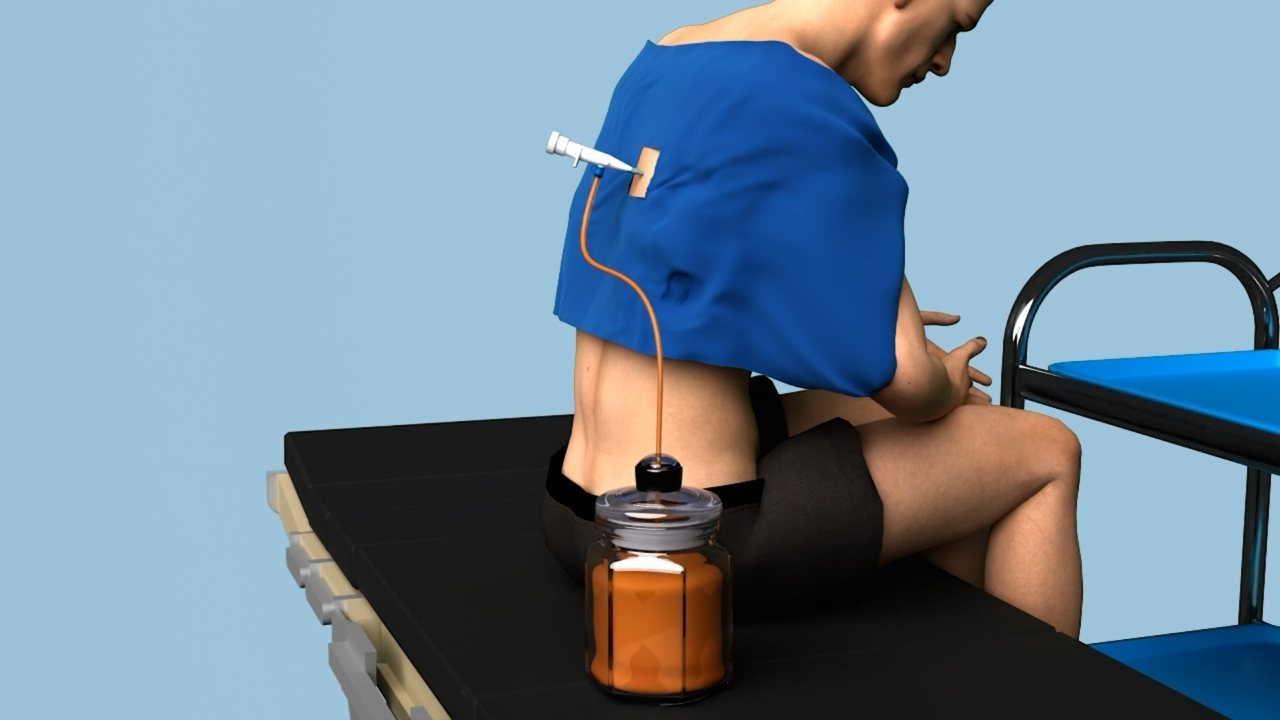
- Thoracentesis: It simple procedure in which a doctor employs a thin needle to get rid of fluid in the space between the lungs. Yes it is, it is fast and I know there are moments when relief has to be immediate.
- Chest Tube Insertion: Occasionally the tube is inserted into the chest and ever fluid is allowed to drain for few days this way leads to the lungs to expand and the affected person is able to breathe freely.
3. Medications
If an infection is the cause of formation of any pleural effusion, antibiotics or any other antimicrobial should be used. For example:
If the cause were bacterial infection then antibiotics are administered.
These can also assist the fluids to be expelled if the effusion is due to heart or kidney issues, and are thus often referred to as “water pills”.
4. Pleurodesis
Pleurodesis is applied if the buildup of the pleural effusion happens again and again. In this procedure, doctors introduce a special medicine into the area between the two lungs. This medicine coats the pleural lining and makes it to seal the gap so as to prevent further formation of fluid. This is to avoid the process of pleural effusion recurring and is very beneficial to anyone with a long-term lung disease.
5. Surgery
Very occasionally, an operation to excise another piece of the pleural lining may be necessary or to insert a small tube to ensure it is unlikely that the fluid will gather in the future. Surgery is only done where other forms of treatment have failed and where the effusion has become a problem if handled.
Preventing Pleural Effusion from Coming Back
In some cases, when pleural effusion is due to some other disease, it may not occur again, especially if that disease is treated. For instance:
One may get to control one’s heart, liver, or kidney diseases to make sure that fluids do not accumulate within the body.
This makes it easy to have any problems relating to the lungs and the heart detected early in order to prevent them from worsening.
Conclusion
Pleural effusion may sound complicated, but knowing about pleural effusion explained: This specification makes it infinitely easier to comprehend what it is these terms refer to: causes, symptoms, diagnosis, and treatment. However, pleural effusion can complicate breathing and there are some ways with which doctors can treat it and make people feel comfortable. That is also a good place to seek attention if you can’t breathe or anyone close to you, or if you have any of the mentioned symptoms. Fortunately, pleural effusion is something that can be tended for and individuals can breathe once more!
.
About the Creator
Enjoyed the story? Support the Creator.
Subscribe for free to receive all their stories in your feed.
Comments
There are no comments for this story
Be the first to respond and start the conversation.